
Bali works for a honeymoon because the island offers three different moods within a few hours of each other: cliffs and sunsets in the south, rice fields and cool mornings inland, and calm water on the small islands offshore. The trick is choosing the right months and not trying to fit every mood into one week.
This guide does not rate hotels or sell packages. It covers the decisions that come before a booking: when to go, where to base yourselves, whether a private-pool villa is worth it, and which romantic plans hold up against the facts on our attraction pages.
When to go
Bali’s dry season runs from May to October, with April as the changeover, and it is the safe window for a honeymoon. The best time to visit Bali page sets out the pattern, and our month-by-month data adds the odds: May was dry in 23 of 30 years, while April was dry in only 13.
Within the dry season, July and August bring the finest conditions along with the largest crowds and the highest prices. May, June and September offer nearly all the good weather with fewer people and better value, which suits a couple who would rather have a quiet table than a full beach.
The wet season, from November to March, is not a write-off. A typical day is warm and often sunny in the morning, with a heavy downpour in the afternoon or evening that clears quickly, and prices for flights and hotels are lower. The catch for a honeymoon is the sea: fast boats to the Nusa islands stop running when it is too rough, most often between November and March, so keep a spare day if the islands matter to you.
Where to base yourselves
Where you sleep matters more than which room you book, because the bases are up to 3 hours apart. The where to stay in Bali guide compares 12 of them, and for a honeymoon the real choice is usually between five.
Ubud is the island’s inland centre, and the one base whose appeal has nothing to do with the sea. Central Ubud puts the market, the palace and the largest concentration of restaurants within walking distance, and Penestanan, just west, trades full-service hotels for quiet and rice-field villas. The catch is the airport run, about 35 km. Our Ubud guide covers the area in detail.
The south-west coast has several quite different personalities:
- Uluwatu is the limestone tip of the Bukit, with clifftop sunsets and the Kecak at the temple. It is a set of separate cliff and beach pockets, so expect to ride or drive between them.
- Seminyak is the polished option, with more good restaurants, spas and boutiques within a short walk than anywhere else on the island. It is a place to watch the surf rather than swim in it.
- Sanur has flat, reef-protected water, a long seafront path and the boats to the Nusa islands, which makes it the easiest base if you want to swim and to move slowly.
- Nusa Lembongan rewards sleeping over rather than day-tripping,.
How to split a stay
Up to 5 nights, stay put: pick one base and take one or two long days out. From 7 to 10 nights, use two bases, with 3 or 4 nights inland in Ubud and the rest on the coast. Which coast is the real choice: Sanur for calm water and the Nusa boats, Seminyak for dining, Uluwatu for the cliffs. Do the inland half first and finish near the airport.
The private-pool villa question
A villa is the other big decision, and it is worth thinking through before you fall for the photographs. Our Bali villas page explains what a villa can give that a hotel room does not: a pool not shared with other guests, a kitchen and more than one bedroom. It also warns that resort villas can share a pool, so check the listing for each of those features.
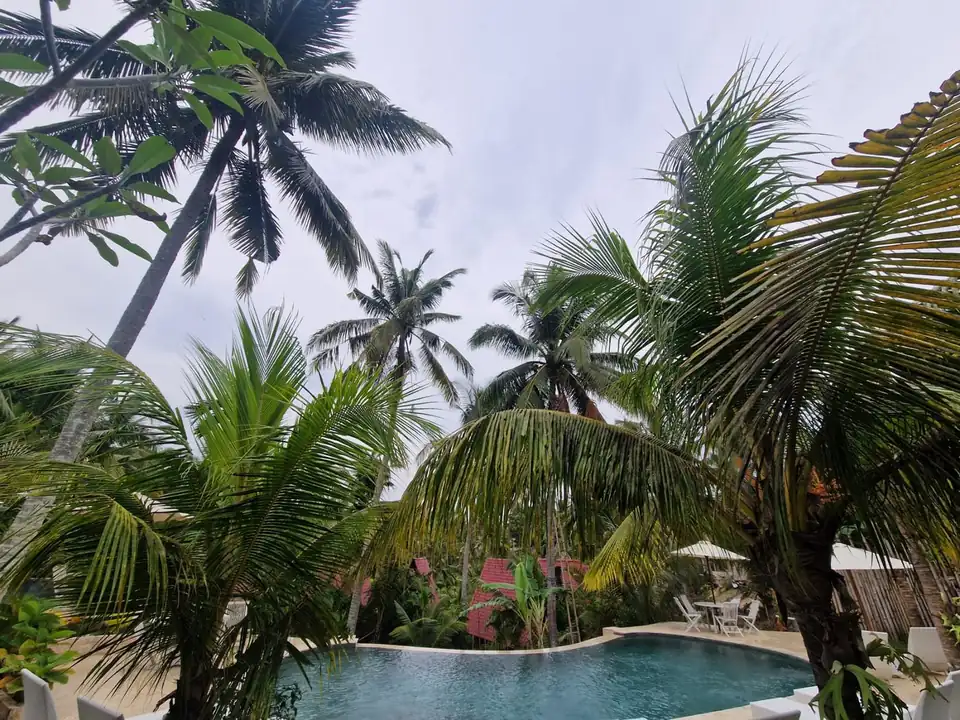
Before you pay, confirm whether the rate is for the whole villa or for one bedroom, what it covers, such as staff, cleaning, breakfast, tax and service, and where the villa sits on the map. That page publishes dated area medians for villas and hotel rooms, so use it to see what a villa costs in each part of the island rather than relying on a package price.
Romantic things to do, from our attraction pages
Sunset and the Kecak at Uluwatu
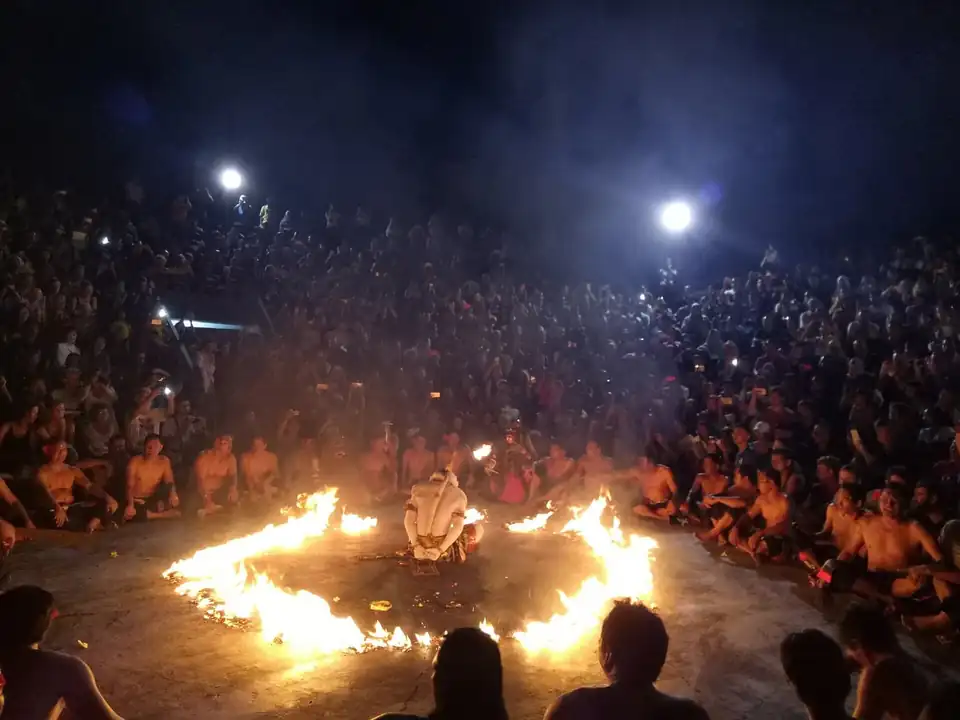
Uluwatu Temple stands on the south-western tip of the Bukit, on a cliff about 70 metres above the Indian Ocean. A Kecak dance based on the Ramayana is performed every day at 6pm on the cliffside, with the sunset as the backdrop, and it lasts about an hour. Entry to the temple costs Rp 60,000 for foreign adults and the dance is a separate Rp 150,000 per adult, so it is cheap for an evening that will probably be remembered. The gate to the amphitheatre opens at 4pm, and the Uluwatu Temple page suggests arriving in the late afternoon and walking the clifftop first.
The temple is a working Hindu place of worship. A sarong and sash are compulsory and are provided at the entrance, and visitors do not go into the innermost courtyard. The resident macaques steal glasses, hats and phones, so zip them away before you go in.
Seafood on the sand at Jimbaran or Kedonganan
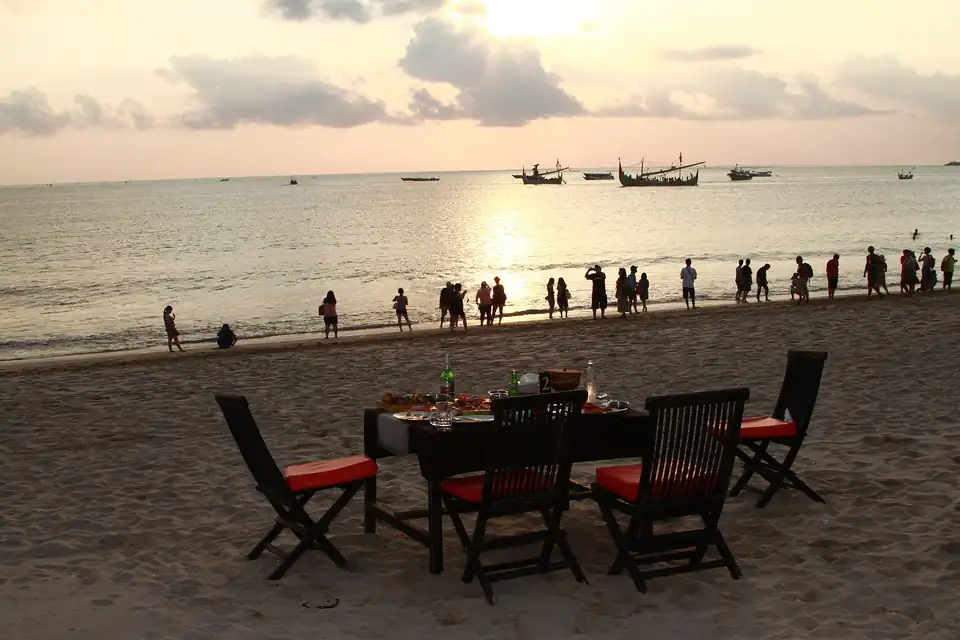
Jimbaran or Kedonganan is where you go for a seafood dinner with your feet in the sand. Kedonganan Beach has a daily fish market where you pick seafood by the kilo and then take it to a warung on the beach to be grilled, at about Rp 15,000 to 20,000 per kilo. Allow about 3 hours for the market and the meal, and bring cash, since the market takes cash only. If you would rather just sit down, the restaurants on the bay stay open at night, though they cost more than buying at the market yourself. The beach has a plastic problem in the wet season, from December to March, so a dry-season sunset is the better bet. See the wider Jimbaran guide for the rest of the bay.
Dawn in Ubud
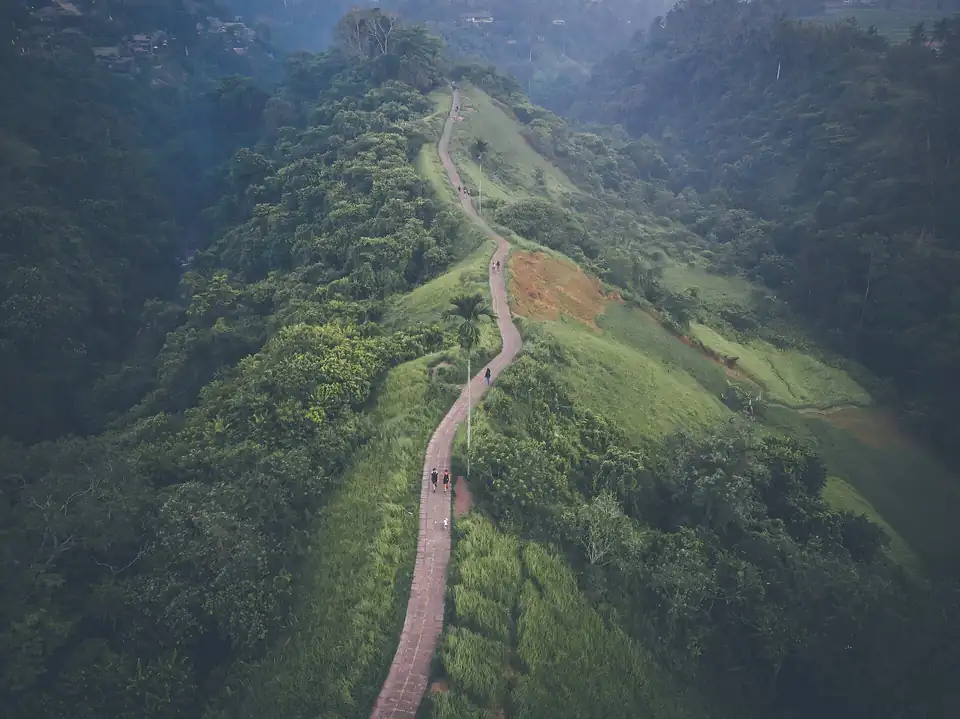
Ubud is at its best before the crowds, and there are two good ways to spend a first morning. The Campuhan Ridge Walk is a free paved path of about 2km along a grassy ridge, open 24 hours, and the page recommends going at dawn, since there is almost no shade later. The Tegallalang Rice Terraces are about 10km north of Ubud and are best before 9am, when the cafes open and the crowds arrive. Entry is Rp 25,000.
If you swing over the terraces, use only an operator with a harness and staff on the rope. The Tegallalang page records a fatal accident on a swing there in 2018.
Nusa Penida and the water
Nusa Penida is a long day or, better, a night away. The Nusa Penida day trip guide covers the fast boat from Sanur, which crosses in about 30 to 45 minutes. Kelingking Beach is the headland everyone photographs, but the walk down is a steep rock trail below the first steps, and swimming at the bottom has been banned since early 2023, so most couples will be happy with the viewpoint.
For calm water, our snorkelling in Bali guide describes Mushroom Bay on Nusa Lembongan as calm and clear, with a reef close to the sand. It also warns that the boat dock can change the current when a boat comes in.
Practical points for the trip
The Bali tourist levy is IDR 150,000 per person, paid once per trip, and it is charged by the Province of Bali on top of the visa. The tourist levy page explains that payment is cashless only, and the simplest way is online on the Love Bali website before you fly. You receive a voucher with a QR code by email.
The All Indonesia arrival card is a separate, free online form that replaced the old customs and health declarations. Several sources give a window of 72 hours before arrival, though they do not all agree, so check the official site and avoid paid lookalikes.
Dress for temples is a sarong and sash. At Uluwatu both are compulsory and are provided at the entrance. Check the page of any other temple before you go.
If your honeymoon falls in March, check the date of Nyepi. It is the Balinese New Year and day of silence, and it closes the entire island for 24 hours, including the airport, so no flights come or go. Visitors stay inside their accommodation, where hotels keep feeding guests. There is also no Kecak performance at Uluwatu on Nyepi or the day before it.