Munduk is the green, cool heart of Bali’s northern highlands, a mountain village ringed by waterfalls, forest and lakes far above the heat of the coast. The air is fresh and often misty, coffee and cloves grow on the slopes, and paths thread through dense greenery to cascades tucked into the hills. Rain and altitude shape the whole landscape, quiet and unhurried, a world apart from the surf beaches and resorts that most people picture when they think of the island.
High in the mountains of the north, part of the island province of Bali in Indonesia, Munduk sits above the twin lakes of Buyan and Tamblingan and near the larger Lake Beratan with its famous floating temple. The road up from Ubud or the coast winds through terraces and forest, and the change in climate hits you at once. For anyone after hiking, waterfalls and cool mountain scenery, Munduk shows a side of Bali that rewards slowing down and looking beyond the beach.
Why visit Munduk
Munduk is for nature over nightlife, cool air over sun and sand. The draws are the waterfalls, the mountain lakes and the walking, set in a green, misty landscape closer to a cloud forest than a tropical island. If the heat and crowds of the south have worn thin, the highlands offer a real change of climate and pace.
This is a place to hike, to visit temples and falls, to breathe cool air, not to shop or party. Accommodation stays low-key, from guesthouses to a handful of boutique stays with valley views, and the mood is calm throughout. It slots beautifully into a wider loop through the mountains and the north.
For many the climate alone justifies the journey. At around eight hundred to a thousand metres, Munduk sees daytime temperatures often in the low twenties Celsius and evenings that drop to the mid-teens, cool enough that a jumper feels welcome after dark and some guesthouses hand out hot water bottles rather than air conditioning. Rooms are good value: comfortable guesthouses from around Rp 300,000 a night (about 19 US dollars), boutique lodges on the valley edge charging more for the view. Warungs serve hearty highland cooking, and a bowl of soto ayam or a plate of nasi goreng rarely tops Rp 50,000 (roughly 3 US dollars). No beaches, no clubs, no traffic, and that is much of the appeal.
Waterfalls in the hills
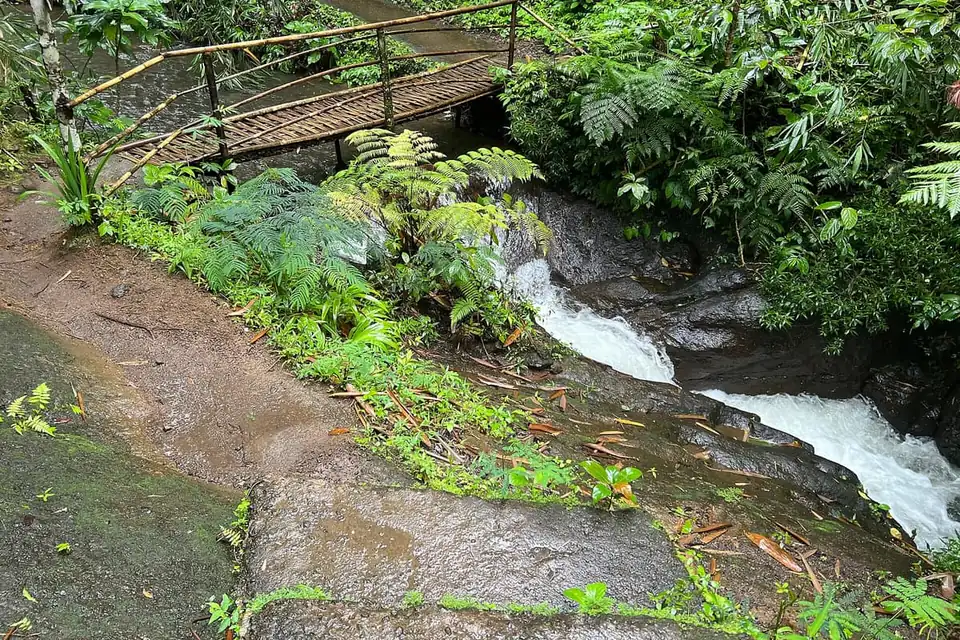
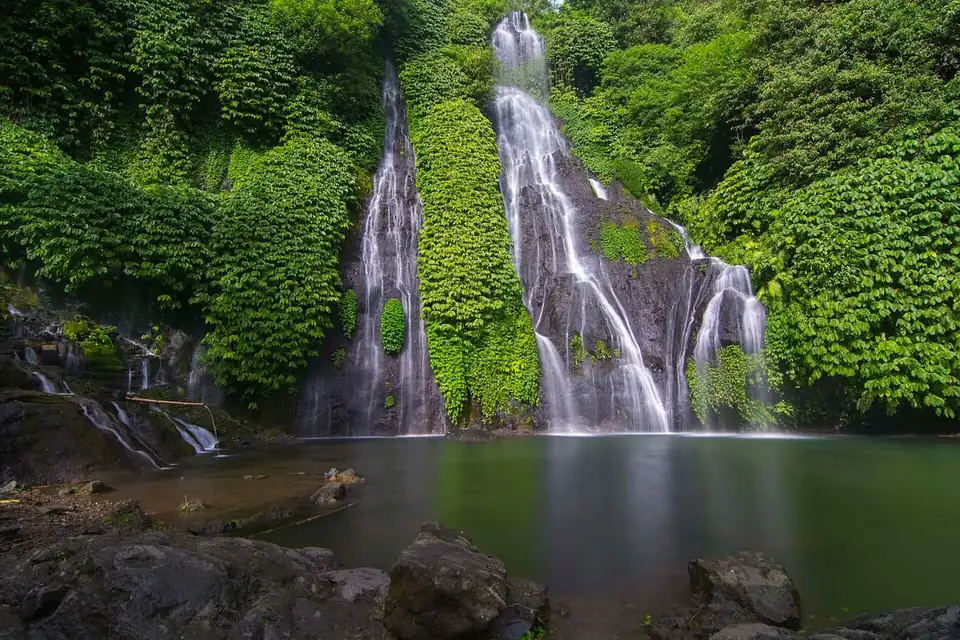
The country around Munduk is waterfall territory, fed by the wet highland climate and threaded with forest paths. Munduk Waterfall is the classic, a tall cascade reached by a short walk down through greenery. Banyumala Waterfall is a graceful twin fall dropping into a clear pool, one of the loveliest anywhere in the area.
Several falls link up in a day of gentle hiking, and the cool air makes the walking a pleasure rather than a slog. Paths turn steep, muddy and slippery, so proper shoes help, and carry water for the climbs back up. The payoff is the sight and sound of falling water deep in the forest, far from any crowd.
Most falls charge a small entry fee, usually Rp 20,000 to Rp 50,000 (about 1 to 3 US dollars), collected at a booth by the trailhead. A popular half-day walk links Munduk Waterfall with the nearby Melanting and Red Coral falls on a forest loop of a couple of hours, passing through coffee and clove gardens on the way. Heavy rain sends the cascades roaring, though it also greases the paths underfoot, so a morning visit before the afternoon cloud builds is the safest bet. The same highland rain that keeps these falls flowing year-round is why an early start pays off, with skies clearest between dawn and late morning and clouding over as the day warms.
Mountain lakes and viewpoints
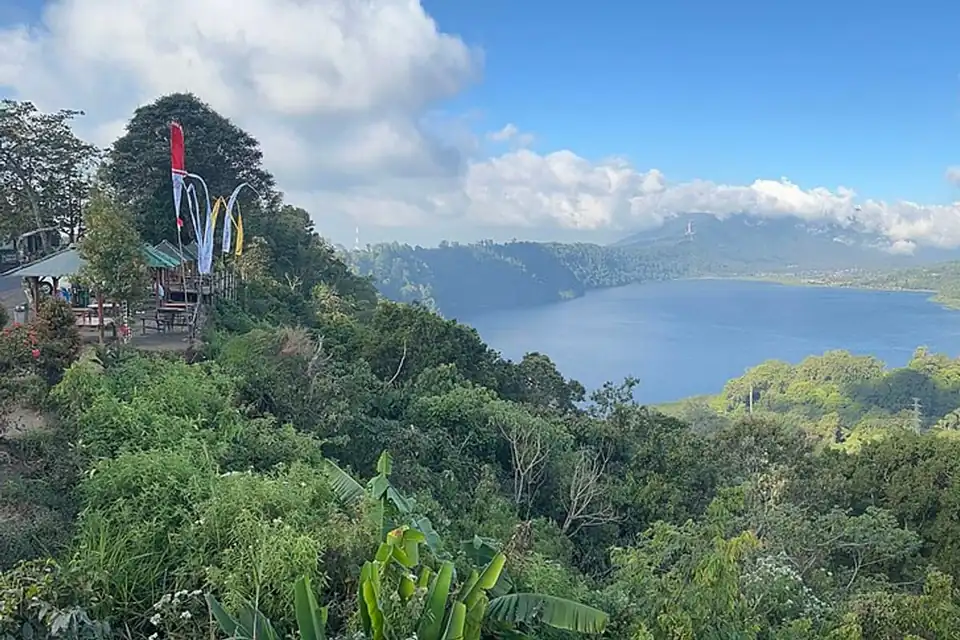
Munduk sits above the twin lakes of Buyan and Tamblingan, quiet mountain lakes ringed by forest and often wreathed in mist. They are peaceful places for walks, viewpoints and photography, with a stillness that suits the highland mood. The Wanagiri viewpoint looks out over the twin lakes from the ridge above and is a favourite stop for the panorama.
The lakes give the region much of its character, and paths around their shores offer easy walking through forest and farmland. On a clear morning the water mirrors the surrounding hills; on a misty one the whole scene softens into grey and green. Either way, the lakes are a world removed from the bright beaches of the south, and a large part of why people make the journey up.
The Wanagiri viewpoint has become known for its photo platforms, swings and nests built out over the ridge, each charging a small fee of around Rp 25,000 to Rp 50,000 (roughly 2 to 3 US dollars) for a turn with the twin lakes behind. Lake Tamblingan, the smaller and more protected of the pair, can be crossed in a traditional dugout canoe paddled by a local boatman, a quiet way to reach the old lakeside temples on its far shore. The forest around Tamblingan is regarded as sacred and remains largely undeveloped, which keeps the area feeling wild. Birdlife is rich in these woods, and the cool, damp air carries the smell of moss and wet earth that sets the highlands so far apart from the coast.
Ulun Danu Beratan temple
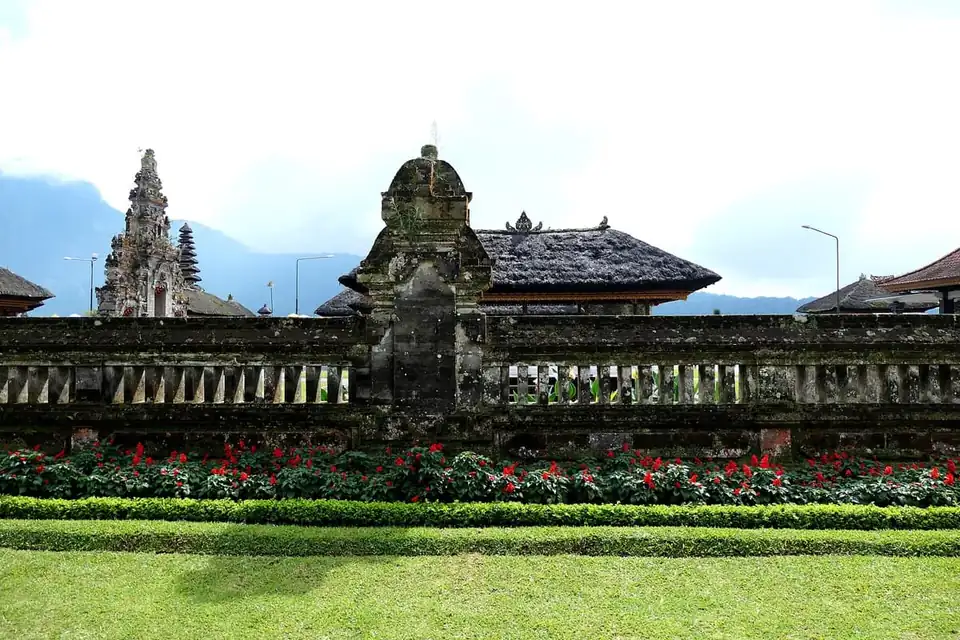
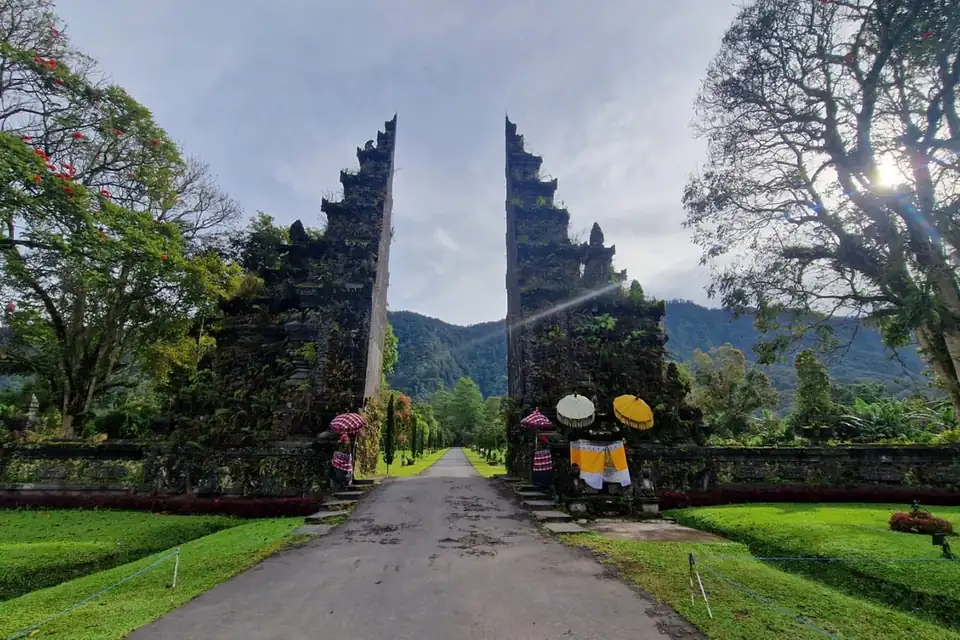
A short drive from Munduk, near Bedugul, stands Ulun Danu Beratan, one of Bali’s most photographed temples. Its shrines appear to float on the surface of Lake Beratan when the water is high, set against a backdrop of mountains and highland mist. Dedicated to the goddess of the lake, the temple plays an important part in the island’s traditional water-management system. A few minutes further up the same road, the Handara Gate frames an avenue running straight at the caldera wall, and it is the other stop almost every highland tour makes.
The setting is serene, and the temple is at its most peaceful early in the day before the coaches arrive from the coast. Reflected in the still lake, framed by the mountains, it is an image that appears on postcards and banknotes alike. For many visitors to the highlands it is the single must-see, easily combined with the waterfalls and lakes of Munduk itself.
Entry to the temple grounds costs around Rp 75,000 for adults (about 5 US dollars), and the gates open early, so arriving soon after opening rewards you with mirror-still water and few other people. The site is a working place of worship as much as a photo stop, so modest dress covering shoulders and knees is expected, and visitors should keep clear of ceremonies rather than treating them as a backdrop. The lakeside shrines dedicated to Dewi Danu, the goddess of the waters, reflect the central role lakes play in Bali’s subak irrigation system, a network of canals and temples that spread water down to the rice fields and earned recognition on the UNESCO World Heritage list. Manicured gardens surround the complex, and the water can be high enough to lap around the multi-tiered meru shrines in the wetter months.
Coffee, cloves and walking
The slopes around Munduk are working farmland, planted with coffee, cloves, cocoa and fruit, and the smell of drying cloves often hangs in the air. Plantation walks lead through this patchwork of crops and forest, and local growers welcome visitors for tastings of Balinese coffee. It is a landscape of small farms rather than grand estates, and all the more characterful for it.
Walking is the natural way to explore, whether on short waterfall paths or longer treks between villages, plantations and lakes. The cool climate makes hiking far more comfortable than on the coast, and guides can be arranged locally for the longer routes. This is Bali at a walking pace, green and quiet, with a viewpoint or a cascade around many corners.
A plantation tour usually takes an hour or two on foot and ends with a tasting of Balinese coffees and teas, from ginger and lemongrass infusions to the strong local arabica. Many stops also offer luwak coffee, made from beans passed through the civet, though travellers concerned about animal welfare should ask how the beans are gathered before buying, as caged production is a real issue. A guide for a half-day trek costs around Rp 200,000 to Rp 400,000 (roughly 13 to 26 US dollars) and is worth it on the longer routes, where paths fork through farmland without signs. The clove harvest around the middle of the year fills the roadsides with drying racks and a heady scent, one of the sensory markers of the Munduk hills.
Planning your visit
The highland climate is cool, green and often wet, so bring a warm layer and a rain jacket whatever the season. The dry months from May to October give the clearest weather and the most reliable hiking, though cloud and afternoon rain are always possible in the mountains. Mornings are best for clear views and quiet temples.
A stay of two nights lets you see the falls, the lakes and the temple without rushing, and spares you the long drive up and back in a single day. There is no train anywhere on Bali, so the journey means a car or scooter, and a private driver for the winding highland roads is the comfortable choice, often arranged as a one-way transfer that continues north or east rather than doubling back. Grab and Gojek barely operate this far into the mountains, so plan transport in advance and carry enough cash, as ATMs are scarce and card acceptance patchy in the villages. Fuel up before leaving the larger towns, and allow more time than the distances suggest, as the roads climb slowly through terraces and forest.
Munduk fits naturally into a northern or highland loop. It pairs with the Bedugul lakes and the temple of Ulun Danu Beratan close by, and can be linked with the volcanic caldera of Kintamani to the east or the dive coast of Amed further round. Most visitors reach it from Ubud a couple of hours below, weaving the cool highlands into a wider journey through the island’s interior and north.