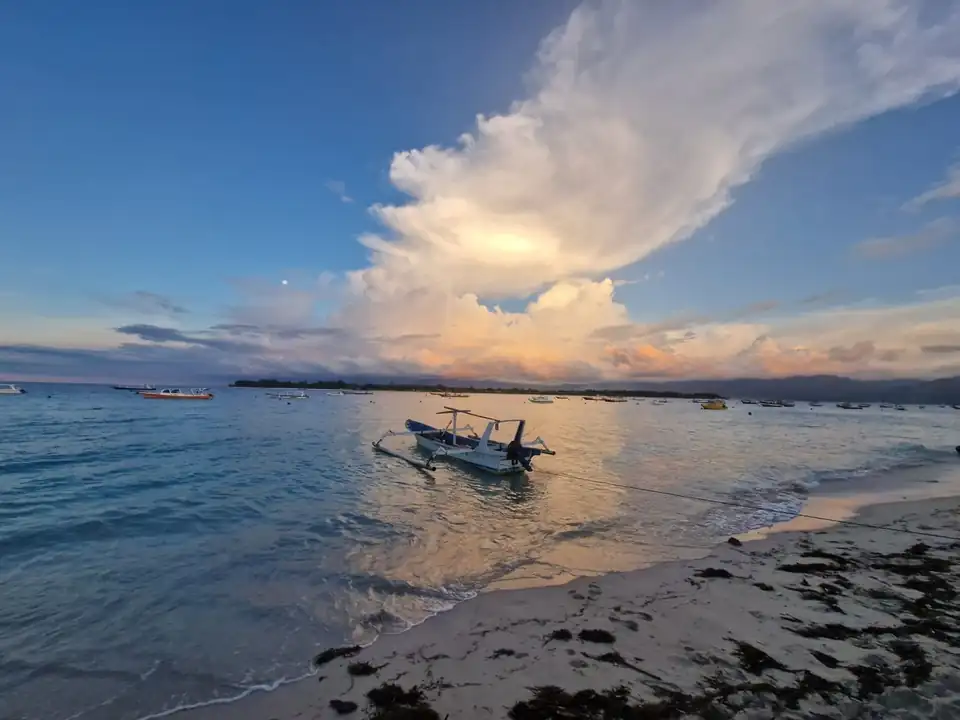

Getting around Bali takes a little planning, because the island has no railways, only patchy public transport, and roads that are slow and busy in the south. What it does have is a wide choice of flexible options: private drivers by the day, cheap ride-hailing apps, trusted metered taxis, scooters for the confident, and fast boats to the offshore islands. Most visitors end up using a mix, choosing the right tool for each journey.
One fact shapes everything else: distances are short but journeys are slow, so plan by time, not kilometres. Each option below has its place, from the cheap but risky scooter to the reliable private driver, and each carries its own local quirks, such as the areas where ride-hailing apps are quietly restricted. For how the island is laid out, see our map of Bali page.
Scooters: cheap, flexible and risky
The scooter is the classic way to get around Bali, and for good reason: it is cheap to hire, easy to park, and lets you slip through the traffic that clogs the south. Huge numbers of visitors ride them. But they also account for a large share of visitor injuries, and the risks are real. Roads can be busy and chaotic, surfaces are often poor, other traffic moves unpredictably, and an accident far from a good hospital is a serious matter.
If you do ride, do it properly. You should hold a valid licence that covers motorcycles, ideally backed by an international driving permit, wear a good helmet rather than the flimsy one often supplied, and check that your travel insurance actually covers you, since many policies exclude riding without the correct licence. Ride within your ability, avoid riding at night or after drinking, and do not assume the traffic behaves as it does at home. If you are not an experienced, confident rider, it is genuinely safer to use a driver. Prices, licences, police checks and what insurance covers are set out on scooter hire in Bali.
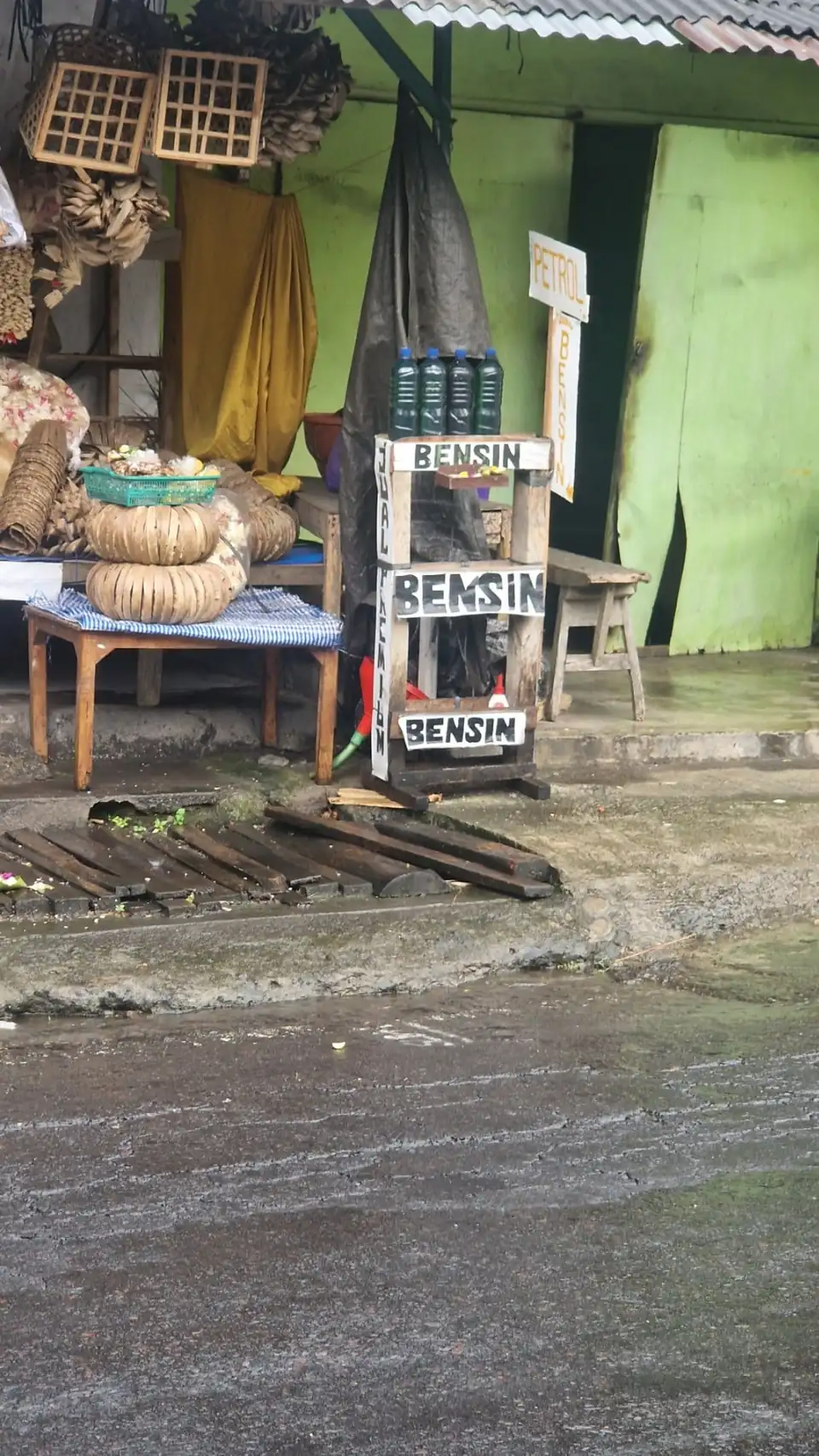
Fuel is the one part of scooter life that surprises people. Petrol stations sit in the towns, but out on the back roads you buy bensin by the bottle from a stall, poured through a funnel into the tank for a few thousand rupiah a litre. It is entirely normal, and it is often the only fuel for miles.
Private drivers and car rental
For sightseeing and longer trips, hiring a car with a driver for the day is the standout choice, and it is remarkably good value. For a set price covering roughly eight to ten hours, a local driver takes you wherever you want, waits while you explore, and handles the traffic and parking for you. It is comfortable, safe, and a good way to learn about the island from someone who knows it. You typically cover entrance fees and often the driver’s meal on top.
Self-drive car rental is also available, but many visitors find Bali’s traffic and driving style stressful, so weigh it carefully. If you do rent, the same points about licence, insurance and the international permit apply as for scooters. For most people, a driver for touring days and ride-hailing for short hops works better than taking on the driving yourself. Agree terms and price clearly before any hire.

Ride-hailing, taxis and a local catch
For short trips in the south, the ride-hailing apps Grab and Gojek are cheap and easy, offering cars, motorbike rides and food delivery, with fares shown up front so there is no haggling. Where pickups are restricted, how the airport pickup works and how Bluebird taxis compare are in our guide to Grab, Gojek and taxis in Bali. They work across much of the island. There is, however, a local wrinkle: in some areas, groups protecting the traditional taxi and driver trade restrict or block app pick-ups, so your driver may ask to meet you a short walk from the exact spot, or you may need a local taxi instead.
For metered taxis, the name to know is Bluebird, whose blue cars are widely trusted and use the meter honestly. Beware of look-alike taxis painted a similar shade, and of any driver who will not run the meter or quotes an inflated flat fare. Using the official Bluebird app or a ride-hailing app sidesteps most of these problems. Between the apps and Bluebird, short journeys around the south are simple and cheap once you know the ropes.
Boats to the islands, and what Bali lacks
To reach the Nusa Islands, you take a fast boat from the beach town of Sanur, a crossing of about 30 to 45 minutes to Nusa Penida or Nusa Lembongan. Boats run through the morning and early afternoon, the sea can be rough in the wet season, and boarding is often a wet-foot affair straight off the beach. Book an established operator and arrive early. Once on the islands, expect rough roads, especially on Nusa Penida, so journeys there take far longer than the short distances suggest.
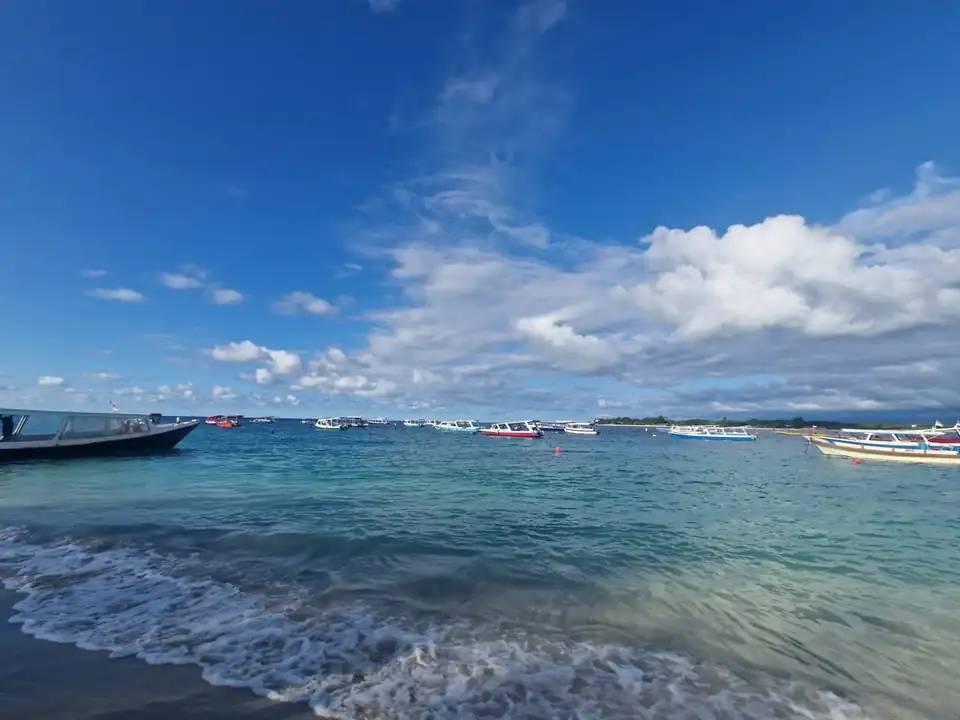
Boats also run east to the Gili Islands off Lombok, leaving from Padang Bai, Amed and Serangan rather than Sanur, and taking between one and three hours depending on the port. Those crossings are open water and cancel more readily than the short Nusa hop.
One last thing to be clear about is what Bali lacks. There are no trains at all, and public transport is limited to some local minibuses and a handful of tourist shuttle routes between the main towns. There is no comprehensive network to rely on for touring. This is why almost everyone uses drivers, ride-hailing, scooters or a hired vehicle to get around. Plan your movement accordingly rather than expecting to hop on a bus.