
This page reports what official health bodies say about vaccines and health risks for Bali. It is not medical advice, and we do not tell anyone to have or skip a vaccine. The right choices depend on your age, health, vaccination history, plans and length of stay, so please see a doctor or a travel clinic before you go. UK TravelHealthPro says to arrange that appointment at least four to six weeks before travel, the US CDC says at least a month, and Healthdirect in Australia says at least 6 weeks and preferably 12 weeks. We quote each body and give its date, because advice changes and the bodies do not always agree.
When to see a doctor, and what to bring
UK TravelHealthPro, run by the UK’s National Travel Health Network and Centre, says: “Travellers should ideally arrange an appointment with their health professional at least four to six weeks before travel.” It adds: “However, even if time is short, an appointment is still worthwhile.” The CDC says to “visit your doctor at least a month before your trip to get vaccines or medicines you may need.” Healthdirect, the Australian government health advice service, last reviewed in September 2025, says you should see your doctor at least 6 weeks (and preferably 12 weeks) before you leave Australia, to give your immune system time to respond, and notes that you may need more than one dose of some vaccines.
So the bodies give different lead times. Booking early enough for the longest, 12 weeks, meets all three, and if your trip is sooner, UK TravelHealthPro says an appointment is still worthwhile.
Healthdirect says your doctor will consider your age, vaccination history, pregnancy, past illnesses, the season, and your destinations, length of stay and type of travel. UK TravelHealthPro also says all travellers should ensure they have adequate travel health insurance. Our Bali travel insurance guide covers cover and claims.

Which vaccines official bodies list for Indonesia
Both the CDC (page last updated 25 August 2026) and UK TravelHealthPro (whose Indonesia page covers Bali, Java, Komodo, Lombok and Sumatra) start with routine vaccines. The CDC says: “Make sure you are up-to-date on all routine vaccines before every trip.” Healthdirect lists the same group, including measles, mumps and rubella, flu, polio, and diphtheria, tetanus and whooping cough.
For most travellers, the wording is close:
- Hepatitis A. The CDC: “Recommended for unvaccinated travelers one year old or older going to Indonesia.” UK TravelHealthPro: it “is recommended for all previously unvaccinated travellers.”
- Typhoid. The CDC: “Recommended for most travelers.” UK TravelHealthPro: “Vaccination is recommended for most travellers”, naming visitors to friends and relatives, and frequent or long-stay travellers where sanitation and food hygiene are likely to be poor. The CDC notes that typhoid vaccine is not 100% effective.
- Tetanus. UK TravelHealthPro lists it for most travellers and says to clean all wounds, including animal bites and scratches, thoroughly and seek medical attention.
For some travellers, the bodies list hepatitis B, rabies and Japanese encephalitis. They do not match exactly. The CDC says hepatitis B is recommended for unvaccinated travellers of all ages. UK TravelHealthPro says vaccination “could be considered for all travellers” and is recommended where activities or medical history raise the risk. Both mention chikungunya, with different conditions: the CDC for stays of 6 months or more, UK TravelHealthPro for people aged 12 years and over in specified situations. Whether any of these applies to a short beach holiday is a question for your doctor.
Is any vaccine required to enter?
Only yellow fever, and only in one case. UK TravelHealthPro says: “There is no risk of yellow fever in this country, however, there is a certificate requirement.” Proof of vaccination is required from travellers aged 9 months or over arriving from countries with risk of yellow fever transmission. The CDC agrees: for direct travel from the United States the vaccine is not required, and it is required for travel from countries with risk, for travellers aged 9 months or older. Check your own route with your doctor if you are transiting through, or have lived in, a risk country.
Rabies in Bali, and what to do after a bite
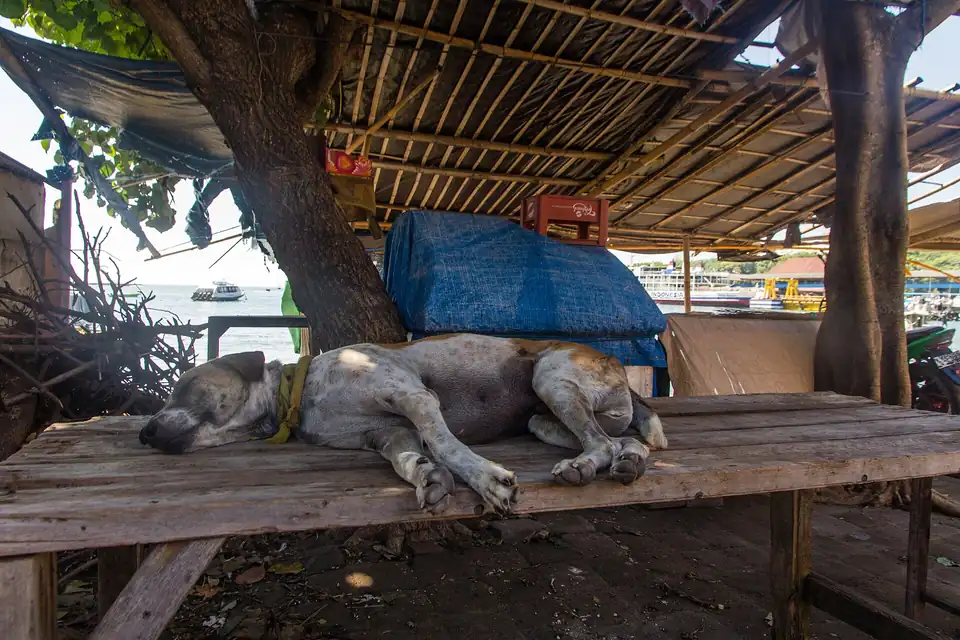
Rabies is the item that makes Bali different from many holiday islands. The CDC says: “Dogs infected with rabies are commonly found in Indonesia.” UK TravelHealthPro says rabies symptoms take time to develop, “but when they do, the condition is almost always fatal”, and that it is preventable with prompt post-exposure management.
For Bali, the Jakarta Post reported on 24 June 2026 that between January and May the province recorded more than 29,300 animal bite cases involving rabies-transmitting animals. It also reported that 16 people died from rabies across the island last year, with a further 5 deaths since the start of 2026. The same report says it remains unclear how many of the biting animals were confirmed infected.

On treatment, the CDC says that if rabies exposures occur in Indonesia, rabies vaccines are typically available throughout most of the country. The news report notes that death can be prevented if anti-rabies vaccine or serum is given promptly after exposure and before symptoms develop. We found no official source on current stock levels in Bali, so we make no claim about that.
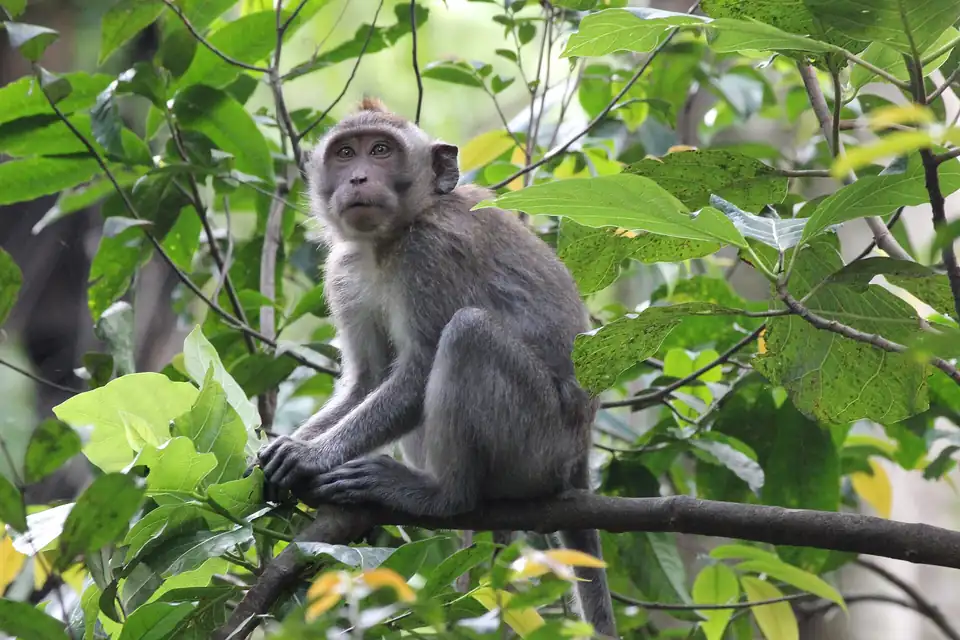
What do official bodies say to do? UK TravelHealthPro: “Following a possible exposure, wounds should be thoroughly cleansed and an urgent local medical assessment sought, even if the wound appears trivial.” It also says to avoid contact with all animals. That applies whether the animal was a dog, a cat or a monkey. Our Sacred Monkey Forest guide sets out what the sanctuary says to do after a bite.
Rabies vaccine before you travel
Here the CDC and UK TravelHealthPro frame the question differently, and both send you to a professional. The CDC says pre-exposure vaccination depends on whether you will do activities that raise the risk of exposure to potentially rabid animals, and whether you might have difficulty getting prompt access to safe post-exposure treatment. It adds: “Please consult with a healthcare provider to determine whether you should receive pre-exposure vaccination before travel.”
UK TravelHealthPro says a full pre-exposure course “simplifies and shortens the course of post-exposure treatment and removes the need for rabies immunoglobulin which is in short supply world-wide.” It recommends it for people at increased risk, including those travelling to areas where access to post-exposure treatment and medical care is limited, those planning higher risk activities such as running or cycling, and long-stay travellers (more than one month). Whether you fall into one of those groups is for a clinic to judge.
Dengue, Zika and mosquito bites
Dengue is spread by mosquitoes that mainly feed during the day. UK TravelHealthPro says there is a risk of dengue in Indonesia, that severe dengue is rare in travellers, and that travellers should avoid mosquito bites, particularly during daytime hours. The CDC lists dengue among diseases spread by mosquito bite and gives the advice “Avoid bug bites.”
On a dengue vaccine, the bodies read differently. UK TravelHealthPro says vaccination “can be considered for individuals aged 4 years of age and older who have had dengue infection in the past” and are travelling to a risk area. It adds that, exceptionally, vaccination can be considered in those who have not had dengue, with further expert advice. The CDC’s Indonesia page lists dengue under diseases without a vaccine. We have not read a separate official source on which dengue vaccines are available in Bali, so ask a clinic.
Zika has been in the news. The CDC issued a Level 2 notice on 7 August 2026 saying cases of Zika are being reported in returning travellers from Bali, and that all travellers to Bali should take steps to prevent mosquito bites and sexual transmission of Zika. UK TravelHealthPro reports 4 cases linked to travel to Indonesia in the UK in 2026 as of 14 July 2026 and says there is no vaccination or medication to prevent Zika. It advises pregnant women to discuss travel with their health care provider.
Malaria and Bali
Here the two bodies differ in wording. The CDC lists “No malaria transmission in the resort areas of Bali or Java” and no transmission in Ubud (its malaria entry was updated 23 April 2025). UK TravelHealthPro says: “There is a low risk in Bali, Lombok and the islands of Java and Sumatra: awareness of risk and bite avoidance recommended.” It reserves its high-risk advice for Irian Jaya (Papua).
UK TravelHealthPro adds that in low risk areas antimalarial tablets may be considered only in exceptional circumstances for travellers at higher risk, and that the final decision rests with the travel health adviser and the traveller after individual risk assessment. Both bodies treat other parts of Indonesia differently from Bali: the CDC lists transmission in all areas of eastern Indonesia and rural areas of several other islands. If you plan to visit eastern Indonesia as well, say so at your appointment.
Food, water and where to get care
Official pages we read give no figure for stomach upsets in Bali, so we say little. UK TravelHealthPro says: “All travellers should take care with personal, food and water hygiene”, and the CDC links typhoid prevention to safe food and water habits, including washing hands at key times.
For care on the island, UK TravelHealthPro advises seeking urgent local medical assessment after a possible rabies exposure. Our Is Bali safe guide covers Bali belly and other health points, and the insurance page linked above explains cover. If you become unwell after returning home, tell your doctor you visited Bali.