
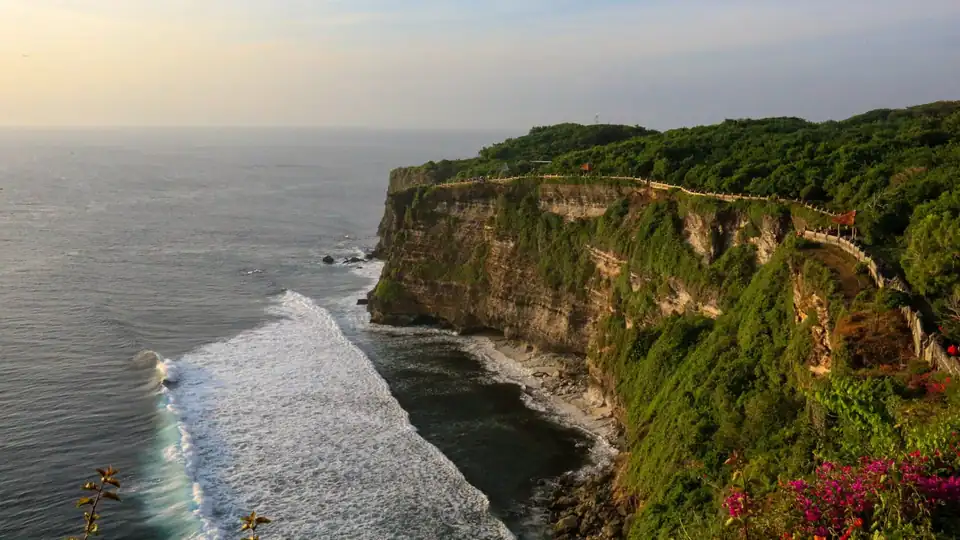
Bali is a year-round destination, but the experience changes with the seasons, and knowing the pattern helps you choose your dates. The island has two seasons, set by the monsoon rather than by temperature, which stays warm throughout. The dry season, from May to October with April as the changeover, brings the reliable sunshine, clear seas and good surf that make it the main time to visit. The wet season, November to March, is warmer and greener, with afternoon downpours, and remains perfectly visitable.
Timing is about more than weather, though. Crowds and prices peak in July and August and again over Christmas and New Year, and one date stands wholly apart: Nyepi, the day of silence, when the entire island shuts down. Weigh the seasons against the busy and quiet stretches, add the best windows for surf and the sea, and the right moment for your trip tends to pick itself. For temperatures in detail, see our weather page, and for what each month really looks like once it is measured, Bali month by month.
The dry season, May to October
The dry season is the classic time to visit Bali. From May to October rainfall is low, the air is a little less humid, and days are mostly sunny. This is when the beaches are at their best, the sea is clearest for diving and snorkelling, and the famous surf breaks of the south and west are working. The landscape is drier than in the green wet months, but the reliable weather is the draw.
Within the dry season there is a clear peak. July and August bring the finest conditions, along with the largest crowds and the highest prices, as they coincide with the northern-hemisphere summer holidays. Either side of that peak, the shoulder months of May, June and September offer nearly all the good weather with fewer people and better value. Many experienced visitors deliberately target these shoulder weeks.
The wet season, November to March
The wet season sounds off-putting but is often misunderstood. From about November to March, the monsoon brings higher humidity and rain, but rarely all day. A typical wet-season day is warm and frequently sunny in the morning, then sees a heavy downpour in the afternoon or evening that clears quickly and freshens the air. The countryside is at its greenest, the rice terraces most vivid, and the waterfalls fullest.
The trade-offs are real but manageable. Humidity is higher and less comfortable, there can be occasional longer spells of rain, and the sea is rougher on some coasts, which can affect boat trips to the Nusa Islands and reduce underwater visibility. Against that, prices for flights and hotels are lower and the island is much quieter. For travellers who do not mind a daily shower and want better value and fewer crowds, the wet season is well worth considering.
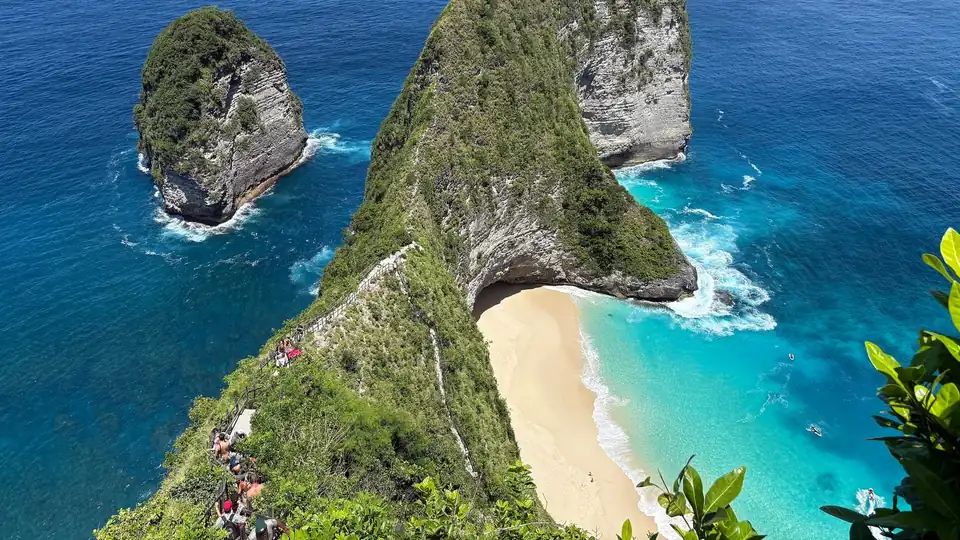
Crowds, prices and Nyepi
The busiest and most expensive times are July and August, and the Christmas and New Year fortnight. In these periods flights and hotels cost more, popular beaches and sights are crowded, and the traffic in the south is at its heaviest. If you must travel then, book well ahead. School holidays in Australia and Indonesia also lift numbers at certain points in the year, worth checking if you want to dodge crowds.
One date deserves special attention. Nyepi, the Balinese New Year and day of silence, usually falls in March and closes the entire island for 24 hours. No one goes out, shops shut, and the airport stops, so no flights come or go. Visitors must remain inside their accommodation, where hotels quietly continue to feed and look after guests. It is an extraordinary thing to witness if you plan for it, but a shock if it catches you unprepared, so check if your dates fall on or near it. Our page on religion explains Nyepi in more depth.
Timing for surf and the sea
If your trip revolves around the water, the season matters. The dry months, from about May to October, are prime for the celebrated surf breaks of the west coast and the Bukit Peninsula around Uluwatu, when the winds and swells align. In the wet season the best surf shifts to the east coast, so there are waves year round if you follow them. Beginners will find schools and gentler beach breaks operating throughout the year.
For diving and snorkelling, the dry season generally gives the clearest water and best visibility, especially around the Nusa Islands and the east-coast sites near Amed. The wet season can cloud the water with run-off at times, though diving continues all year. Some marine highlights, like the manta rays and the strange sunfish around Nusa Penida, are more likely at particular times, so ask dive operators when you plan. Whatever your season, respect local advice on currents and conditions.