
How to plan a trip to Bali
Start with the month. The heat hardly changes through the year; the rain changes about eight times over.
Eight decisions, in this order
Season and bases first, bookings last. The order stops you paying for a villa in Canggu for the week you meant to spend in the hills.
-
Choose the month
Rain decides it, not heat. May to October came in under 100 mm in at least 20 of 30 years; the wet months are cheaper and greener, with heavy rain rather than cold.
Bali month by month -
Pick one or two bases
The bases are up to three hours apart by road and built for different holidays, so each move costs a good part of a day. Choose by what you want to do there, not by how close it looks on the map.
Where to stay in Bali -
Book the flight into Ngurah Rai
Bali has one international airport, Ngurah Rai (DPS) in the south near Kuta, so every route starts there whatever your base.
Getting to Bali -
Sort the airport run
Check what the drive costs and how long it takes to your base before you land, so the first decision after a long flight is already made.
Airport transfers -
Decide how you will get around
A driver by the day for the long trips, Grab or Gojek for short hops in the south, and a scooter only with a motorcycle licence and insurance that covers it.
Getting around -
Price it
A guesthouse and warung day runs roughly 400,000 to 700,000 rupiah; villas, drivers and beach clubs are where the budget climbs.
Budget -
Check the paperwork
A visa on arrival or the e-VoA for many nationalities, a passport valid for six months, and the IDR 150,000 tourist levy, paid once per trip.
Visa and entry -
Book the day trips last
A Batur sunrise or a Nusa Penida crossing depends on the weather on the day, so book once the dates are fixed and read the cancellation terms first.
Bali tours
The planning guides
-

Best Time to Visit Bali
When to go to Bali: dry May to October with April the changeover, wet November to March, peak crowds, Nyepi, and the best times for surf and sea.
-

Bali Weather and Climate
Bali's humidity and temperature month by month, measured at Denpasar airport: about 80% humidity all year, highs of 29 to 31.5 C, and when it is hottest.
-
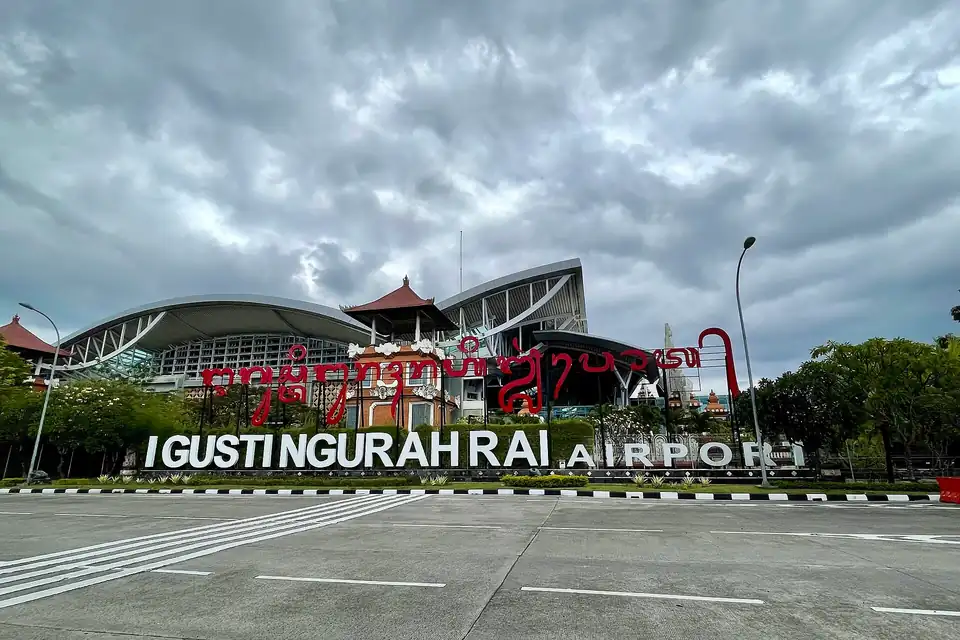
Bali Airport (Ngurah Rai, DPS)
Ngurah Rai airport (DPS) explained: terminals, the arrival steps from visa to customs, what is outside, departures, the 2025 floods and the north Bali plan.
-

Getting to Bali
Flying into Ngurah Rai airport (DPS): long-haul routes via the Gulf and Asian hubs or direct from Australia, visa on arrival, and transfers to your base.
-

Getting Around Bali
How to get around Bali: scooters and their risks, private drivers, Bluebird taxis, Grab and Gojek, car rental, and fast boats to the Nusa Islands.
-
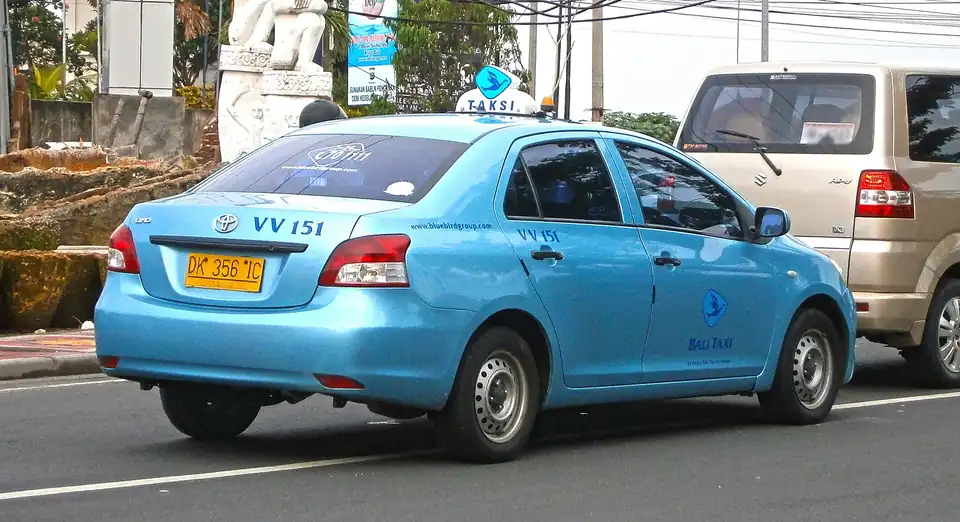
Grab, Gojek and Taxis in Bali
Which ride-hailing apps work in Bali, why Uber does not, how Grab, Gojek and Bluebird compare, and where app pickups are restricted.
-
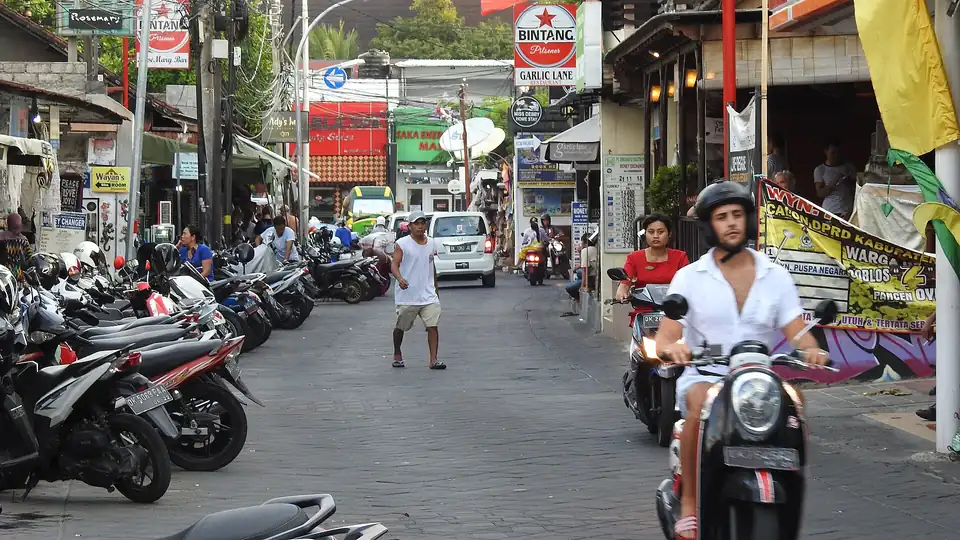
Scooter Hire in Bali
What a scooter costs to hire in Bali, which licence you need, what police fines and travel insurance exclusions look like, and when to use a driver.
-
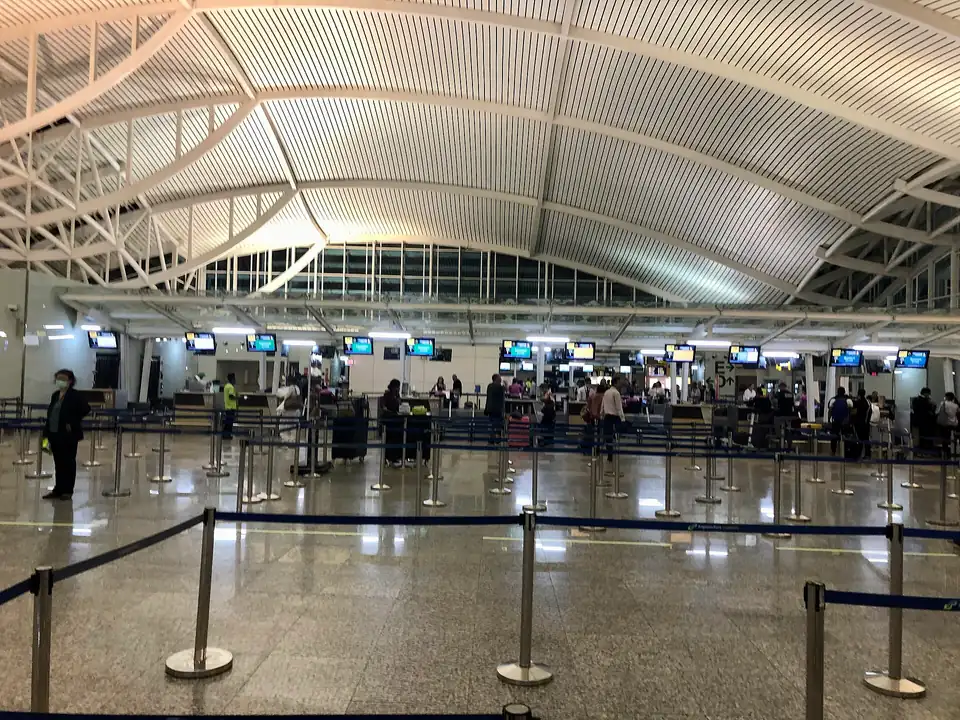
Bali Arrival Card and Customs Declaration
The All Indonesia arrival card is the one free online form that replaced the Bali customs declaration, health declaration and arrival card. Who files and when.
-
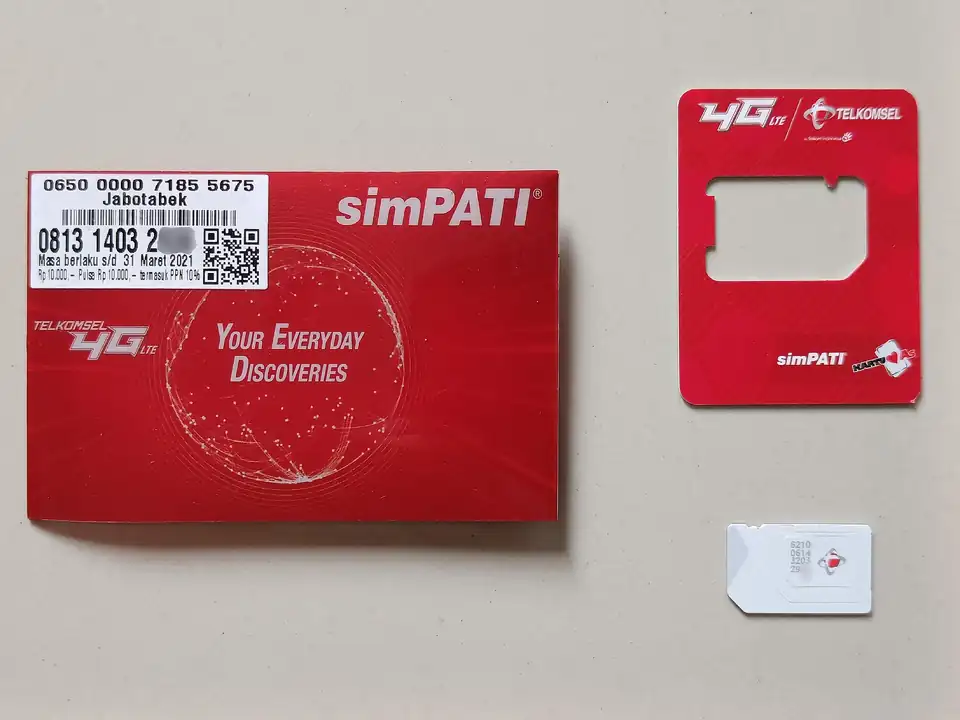
eSIM and SIM Cards for Bali
eSIM or physical SIM for Bali? Dated eSIM prices from three providers, the local networks, SIM registration and the IMEI rule, explained.
-

Bali Visa and Entry
Entering Bali: the visa on arrival for many nationalities, the e-VoA, passport and onward-ticket rules, the All Indonesia arrival card and the tourist levy.
-
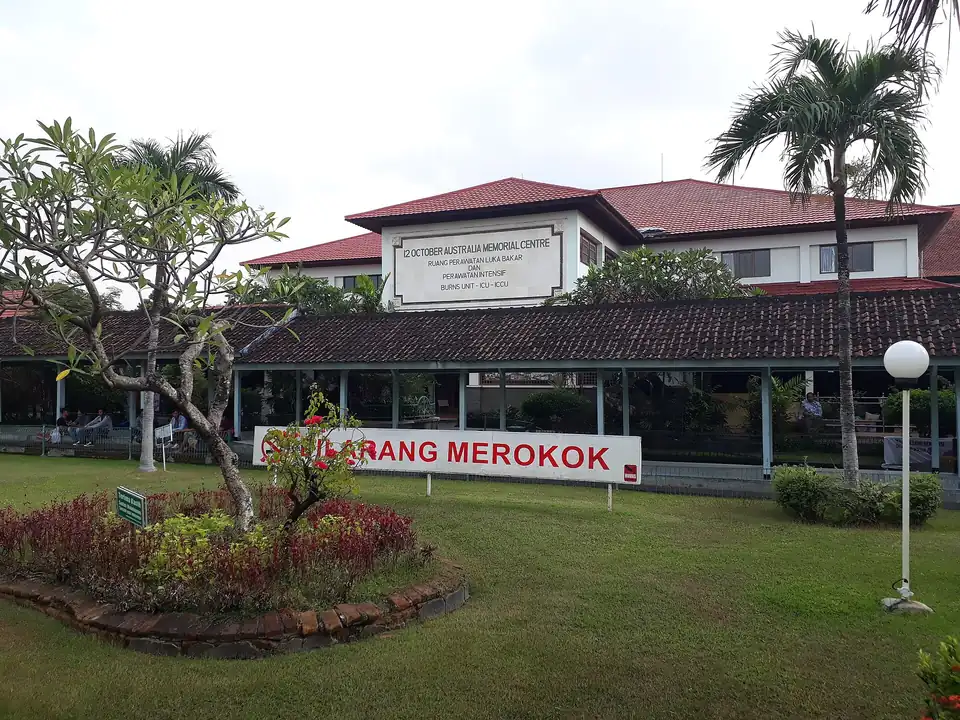
Travel Insurance for Bali
Is travel insurance required for Bali, what medical bills and evacuation can cost, and what four insurers' own wording says about riding a scooter.
-
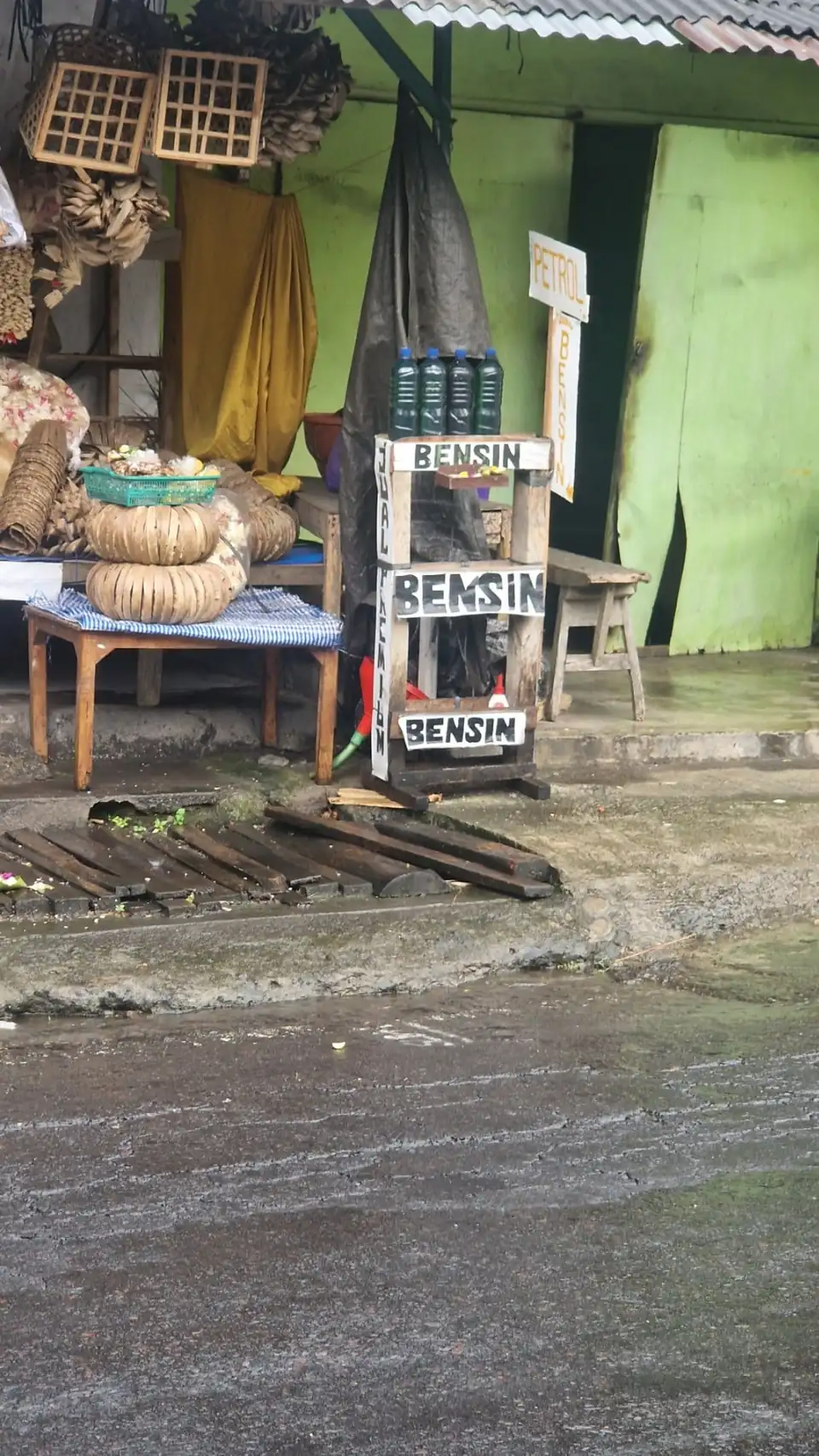
Is Bali Safe?
Bali is generally safe and welcoming; the real risks are traffic, the sea, petty theft, monkey bites and stomach upsets. A factual, practical guide.
-

Bali Tourist Levy
The Bali tourist levy is IDR 150,000 per person, paid once per trip. How to pay it online or on arrival, the voucher, the payment methods, and who is exempt.
-

Vaccinations for Bali
What the US CDC, UK TravelHealthPro and Healthdirect say about vaccines for Bali, rabies, dengue and malaria, and when to see a doctor.
-

Bali on a Budget
What Bali costs: sample daily budgets in rupiah and rough US dollars for backpacker, mid-range and comfortable trips, plus meals, transport and tips.
-

Is Bali Expensive?
Is Bali cheap or expensive? Sourced 2025 to 2026 prices for meals, beer, scooters, drivers, SIM cards and entry fees, and three sample days added up in rupiah.
-
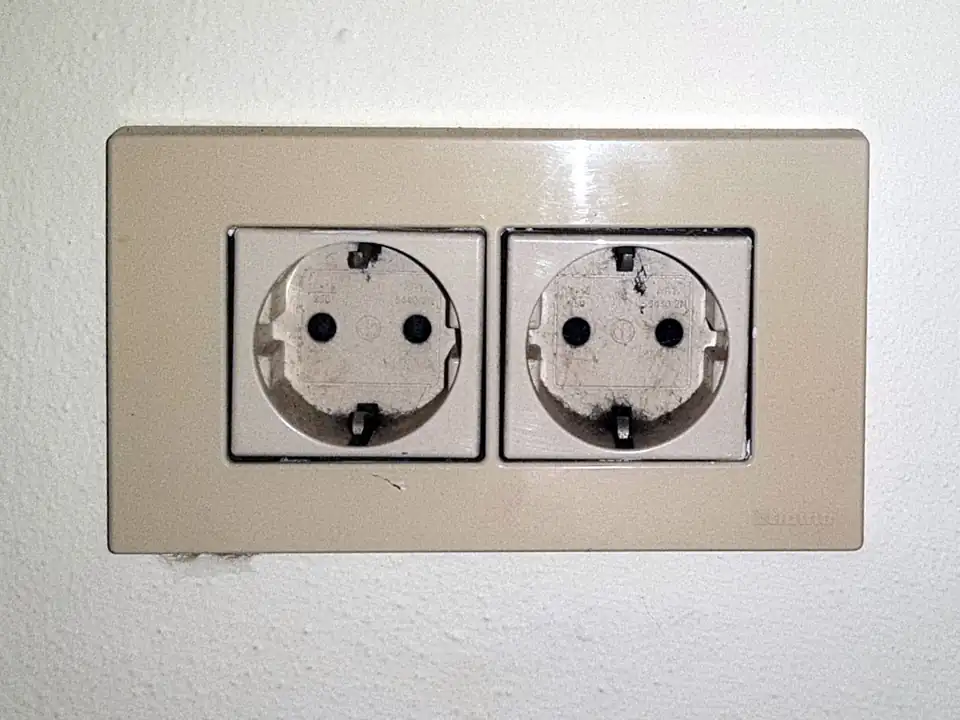
Bali Power Plugs and Adapters
Which power plug Bali uses, whether Australian, UK and US visitors need an adapter or a converter, where to buy one, and what to do about surges and Nyepi.
-
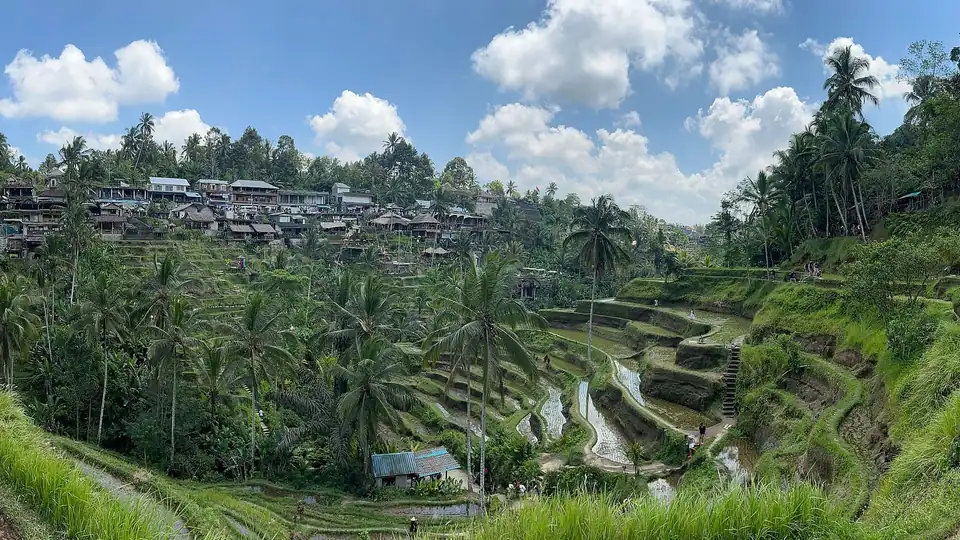
Month by month
Every month's measured rainfall and temperature, and what the averages do not tell you.
-

Where to stay
The twelve bases compared by what the airport run costs, what each is for, and who it is wrong for.
-
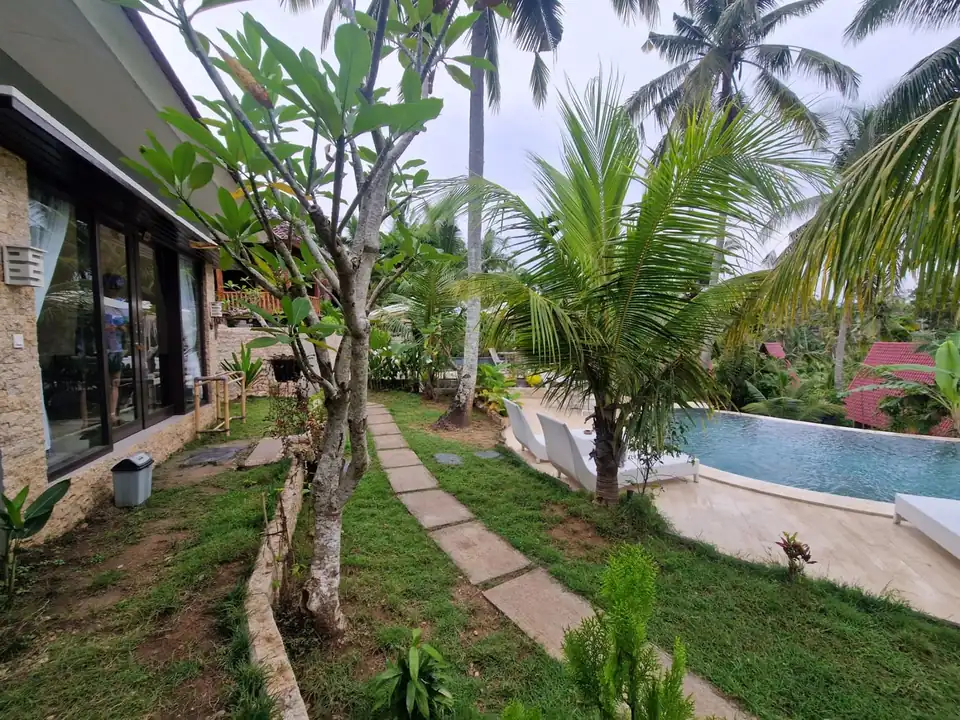
Villas
What a villa costs in each part of the island, and when a hotel room is the better buy.
-

Airport transfers
What the drive from Ngurah Rai costs to each area, how long it takes, and when a taxi or an app is the better call.