

Eating is one of the pleasures of Bali, and it comes at two levels. There is the everyday Indonesian food eaten across the archipelago, built around rice, noodles and grilled skewers, and there is the distinct Balinese cooking, rich in spice pastes and centred on dishes like the famous roast suckling pig. Because Bali is Hindu rather than Muslim, pork appears freely here in a way it does not in much of Indonesia, which gives the island’s food some of its character.
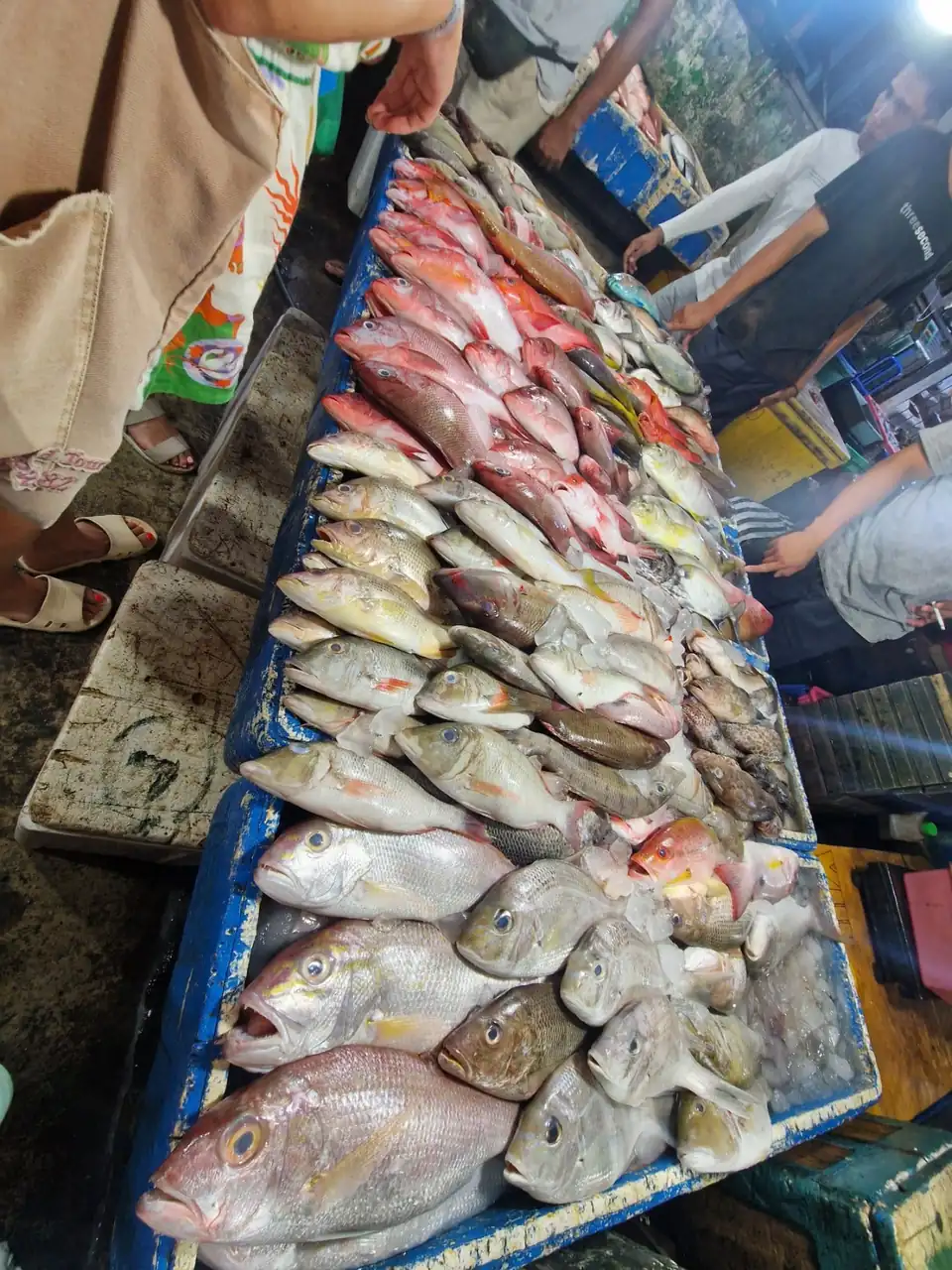
You can eat extremely well and cheaply at the warung, the little family kitchen at the centre of local dining, or spend far more at the smart restaurants and beach clubs of the south. Vegetarians and health-minded eaters do unusually well, thanks both to naturally plant-based local dishes and to the many cafes of Ubud and Canggu. Knowing a dozen dish names, where to find them and what to drink alongside is most of what it takes to eat happily here.
Rice, the everyday dishes and the warung
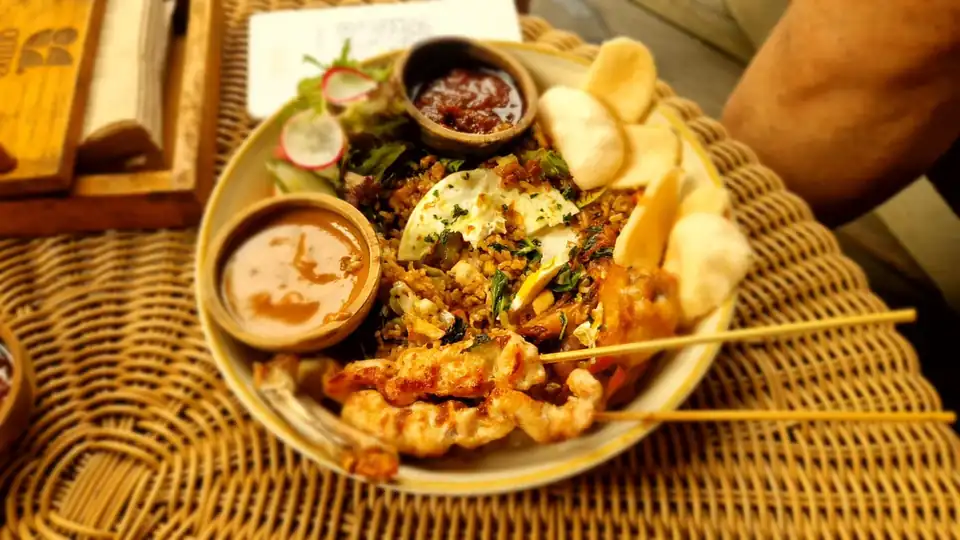
Rice, nasi, is the staple that underpins almost every meal, and the two dishes visitors meet first are nasi goreng and mie goreng, fried rice and fried noodles, cooked with vegetables, egg and often a little meat or prawn. They are quick, cheap and found everywhere. Alongside them, nasi campur is the classic local plate: a mound of rice ringed with a changing selection of small dishes, from vegetables and tempeh to meat and a spoonful of sambal, so you get a taste of several things at once.
The place for all this is the warung, the small family-run eatery that is the backbone of everyday dining. A good one does a handful of dishes freshly and well at very low prices, and it is often the cheapest and the tastiest meal on the island at once. Many are cash only and gloriously informal. Choosing the warungs over the hotel dining room is one of the simplest ways to eat better and put money straight into local hands.
Balinese specialities
Beyond the pan-Indonesian staples, Bali has dishes of its own, and the most celebrated is babi guling, suckling pig stuffed with a deep blend of spices and roast slowly until the skin crackles. Once reserved for ceremonies, it is now a signature dish served at specialist warungs, with rice and side dishes. Another slow-cooked speciality is betutu, chicken or duck packed with spice paste and cooked for hours until meltingly tender.
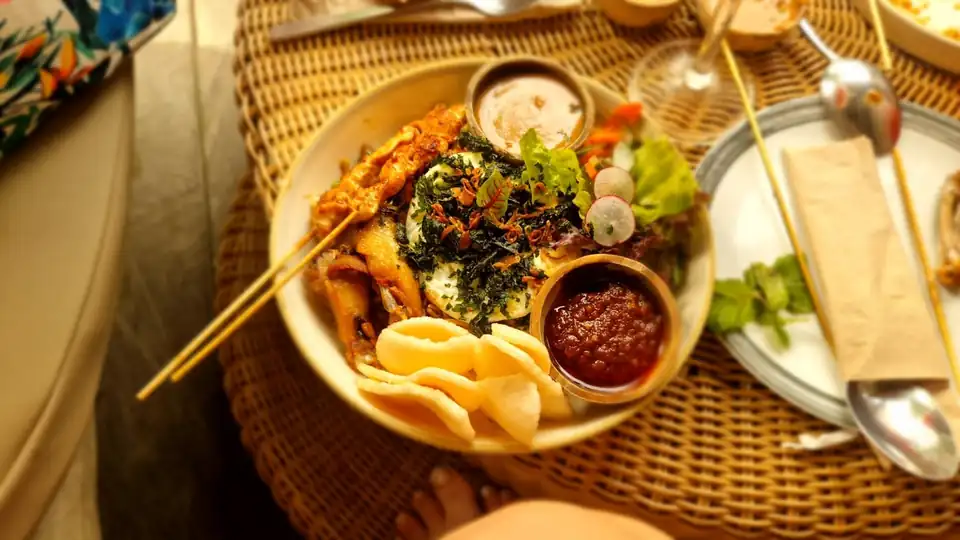
Look out too for satay lilit, a Balinese take on satay in which spiced minced meat or fish is pressed onto sticks of lemongrass and grilled, and for the many vegetable dishes bound with grated coconut and spice. Underlying all of this is the base spice paste the Balinese call basa gede, built from turmeric, ginger, galangal, lemongrass, garlic, shallots and chilli, which gives the cooking its aromatic depth. Sambal, the chilli relish, sits beside almost every meal and lets you add as much heat as you like.
Vegetarian food and the health cafes
Bali is one of the easier places in Asia to eat meat-free. Indonesian cooking has many naturally plant-based dishes, chief among them gado-gado, a salad of vegetables, tofu and egg dressed in peanut sauce, along with tempeh and tofu dishes, vegetable curries and versions of nasi campur made without meat. Even at a simple warung you can usually eat well without meat.
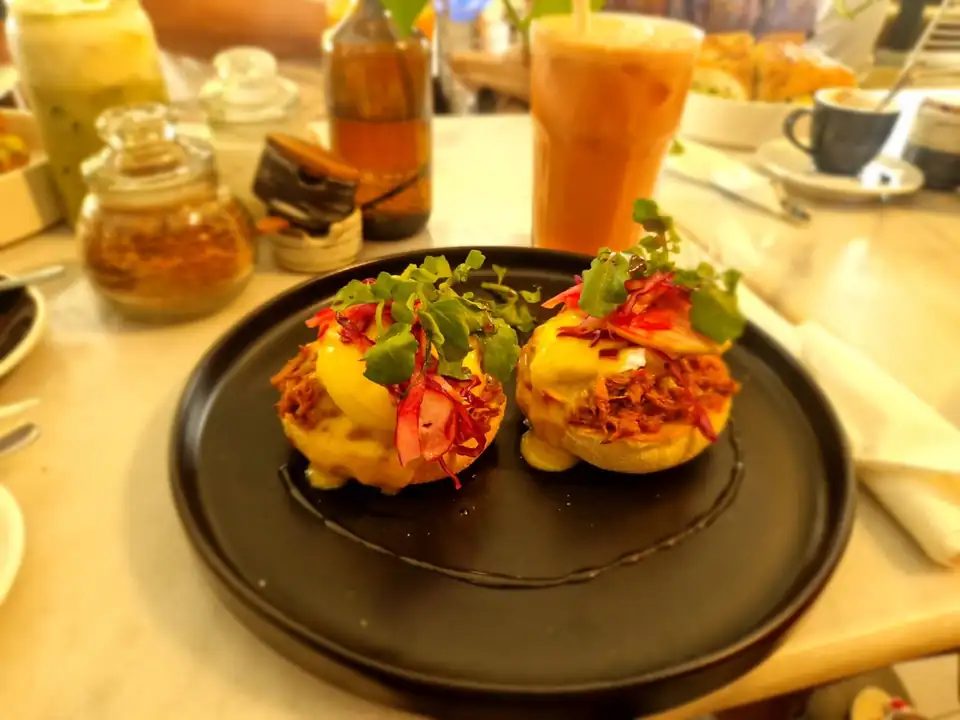
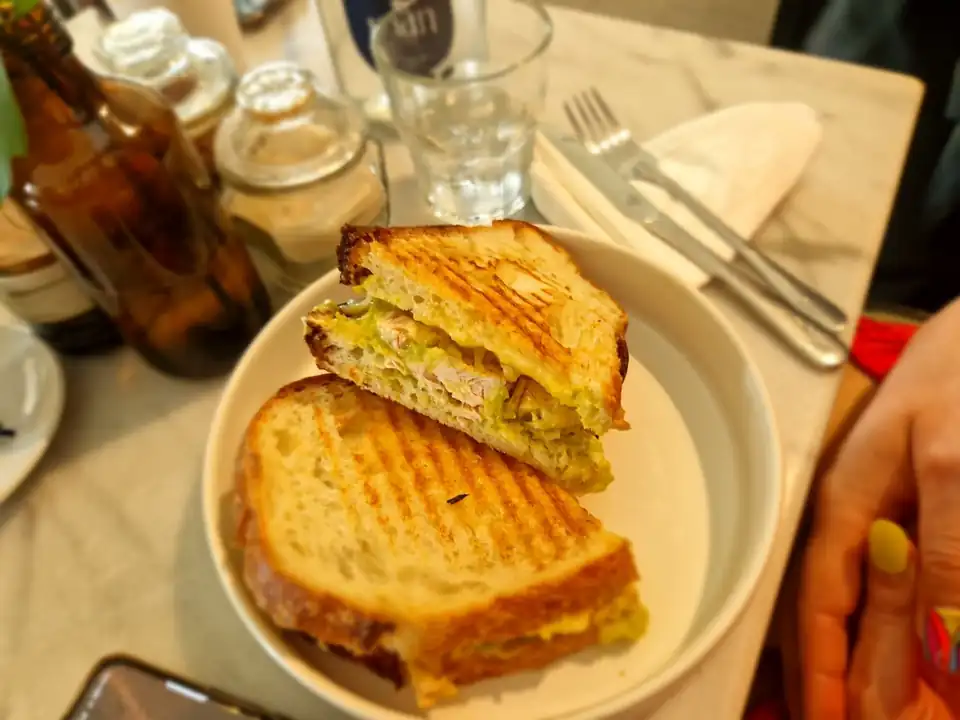
On top of this local base, Ubud and Canggu have become known for a large concentration of dedicated vegetarian, vegan and health cafes, serving smoothie bowls, plant-based versions of Western dishes, jaffles and the like. This makes Bali a genuinely comfortable island for plant-based and health-conscious travellers. Between the traditional dishes and the modern cafes, dietary needs that can be a struggle elsewhere are easily met here.
Drinks: coffee, beer and staying safe
For drinks, the local beer is Bintang, a light lager sold everywhere and the usual accompaniment to a beach sunset. Coffee matters too: the Indonesian word is kopi, and the highland area of Kintamani grows well-regarded beans. Traditional kopi tubruk is simply ground coffee steeped in hot water with the grounds left to settle, while the cafes of the south serve every modern style. In the heat, fresh fruit juices, young coconut water and smoothies are welcome and everywhere.
One rule matters for your health: do not drink the tap water. It is not safe for visitors and is a common cause of the stomach upset known as Bali belly. Stick to bottled water, which is cheap and sold on every corner, or properly filtered water, and use it for brushing your teeth if your stomach is sensitive. Reputable restaurants and cafes use safe factory-made ice, but be a little cautious with ice and raw items at the most informal stalls. Our page on whether Bali is safe covers stomach upsets in more detail.