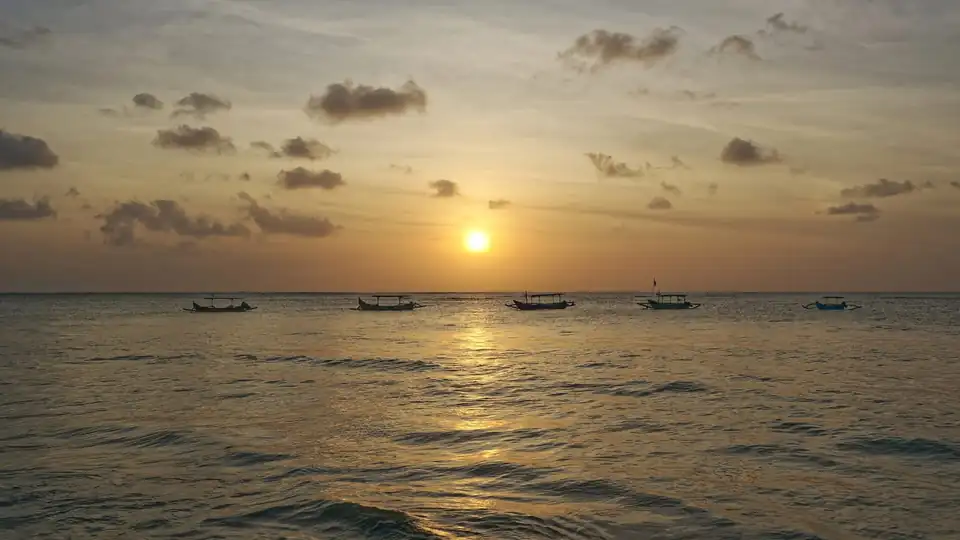
Kuta is where Bali’s tourism began, and it still wears that history on its sleeve. This was the fishing village that surfers found in the 1970s, and it grew into the island’s original beach resort: a long strip of sand, learner-friendly waves, cheap shopping and loud nightlife packed into the streets just north of the airport. Busy, commercial and unpretentious, Kuta is not to every taste, but it remains the easiest and most affordable introduction to Bali for a great many first-time visitors.
Set on the south-west coast of Bali, part of the island province of Indonesia, Kuta runs into Legian and Seminyak to the north in one near-continuous beachfront. Its great practical advantage is position, barely 15 minutes from the terminal, which makes it a natural first or last night on any trip. What it lacks in calm and polish it makes up for in energy, value and one of the finest sunset beaches on the island.
Kuta’s place in Bali
Kuta earns its keep as the island’s budget beach hub. The appeal comes down to price and position: cheap rooms and food, forgiving surf, plenty of shopping and a lively scene, all a short hop from arrivals. For travellers watching their money or wanting a soft landing after a long flight, it does the job better than anywhere else on the island.
The trade-off is atmosphere. Kuta is crowded, hard-selling and short on the culture and calm that draw people to Ubud or the quieter coasts. Many visitors treat it as a practical staging post rather than a destination in itself, spending a night or two before moving on. Taken on those terms, it delivers exactly what it promises.
The town’s history explains much of its shape. What began as a fishing and farming settlement drew its first surfers and backpackers in the 1970s, and the streets filled in haphazardly around them, which is why Kuta has narrow lanes, known locally as gang, threading between the main roads rather than any planned grid. That legacy leaves it walkable at its centre, cheap by the standards of the wider island, and always geared to visitors. Change has been constant, and today Kuta sits within a near-continuous built-up coast that runs north through Legian and into Seminyak.
The beach and learning to surf
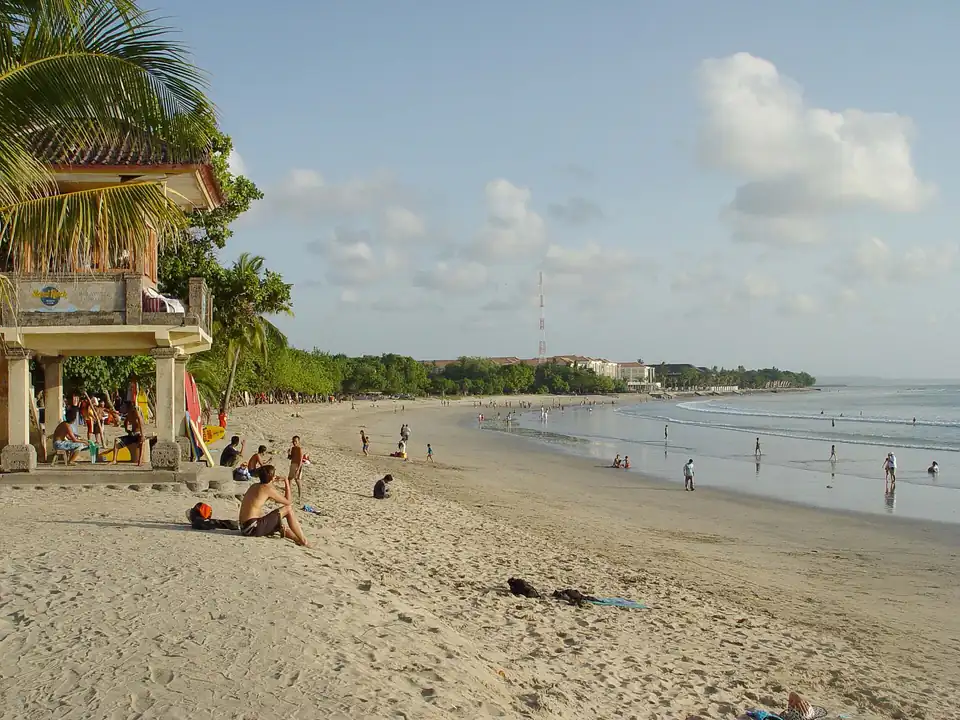
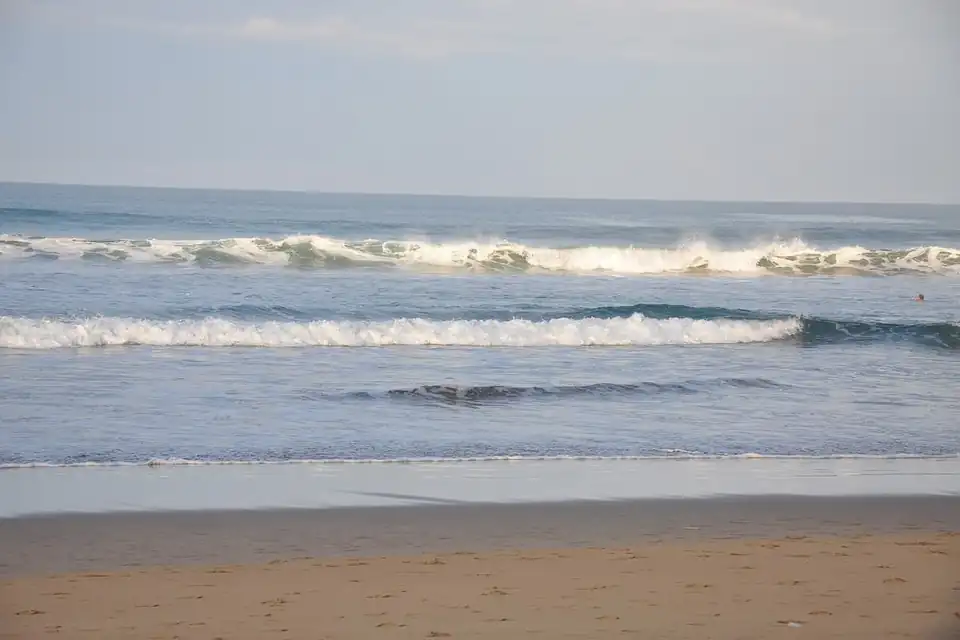
The heart of Kuta is its beach, a broad sweep of grey-gold sand stretching for kilometres up the coast. Gentle, sandy-bottomed waves make Kuta beach one of the best places in Bali to learn to surf, and surf schools line the sand with lessons and board hire at modest prices. Mornings are calmest for beginners, and the whitewater is forgiving compared with the reef breaks further south.
Lifeguards patrol the main stretch, but the Indian Ocean here has strong currents and rip tides, so swim between the coloured flags and heed their warnings. Northwards, Legian beach offers more of the same sand with a slightly calmer feel, and both fill each evening with people gathering for the sunset.
Lessons follow a reliable pattern. A group class of around two hours costs roughly Rp 150,000 to Rp 350,000, about 10 to 23 US dollars, usually including a soft-top board and a rash vest, with private tuition a little more. Board hire alone runs from about Rp 50,000 an hour. The break works best on a smaller morning swell around mid to high tide, before the onshore wind picks up and the surf turns messy. Vendors also rent loungers and umbrellas along the sand for a small fee, and the beach is at its widest and cleanest earlier in the day, before the crowds and the rising tide close in.
Sunsets and nightlife
Kuta’s west-facing beach makes sunset the day’s high point, watched from the sand, the beach bars and the informal vendors who set out beanbags and cold drinks. It is a nightly ritual and one of the few things about Kuta that even its critics rarely fault.
After dark, the town’s nightlife takes over. The main strip is loud, cheap and aimed at a young crowd, packed with bars and clubs that run late. It is not subtle, and those wanting a smarter scene head to Seminyak, but for inexpensive, high-energy nights out Kuta has long been the island’s centre. Neighbouring Legian offers a slightly quieter version close by.
The mix of venues covers most tastes. Simple beach bars set out beanbags for little more than the price of a cold Bintang, while larger clubs along Jalan Legian and the Poppies lanes run music and drinks promotions late into the night. Prices climb at the smarter beach clubs, yet a night out here stays inexpensive next to most of Asia. A memorial on Jalan Legian marks the 2002 bombings and draws quiet visitors by day, a sober reminder of the town’s history amid the noise. Anyone heading home after dark should watch their drinks and use a metered taxi or a ride-hailing app rather than an unlicensed car.
Shopping and markets
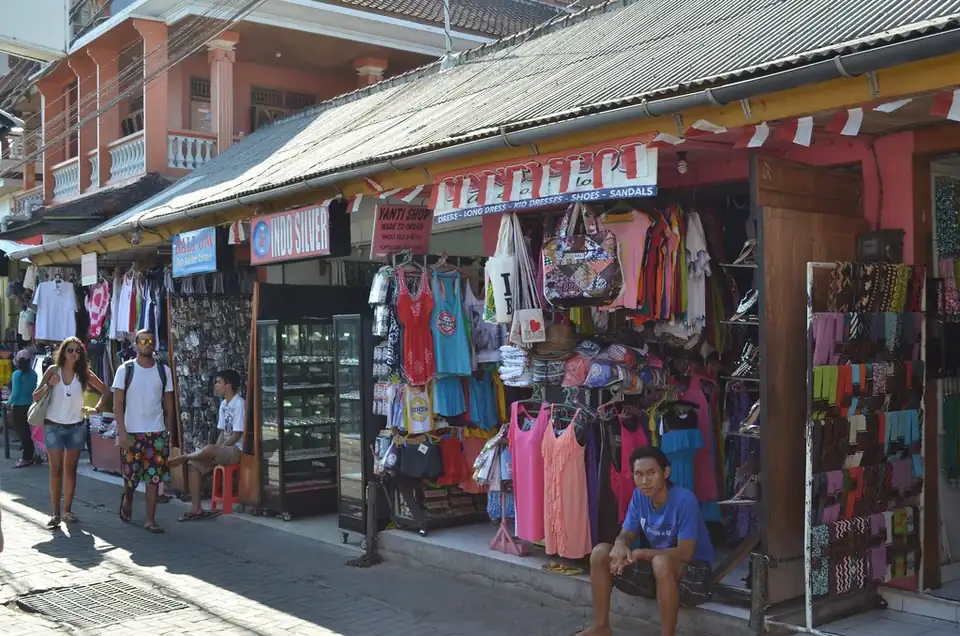
Shopping is one of Kuta’s staples, from air-conditioned malls to open-air markets. The Kuta Art Market and the surrounding streets sell clothing, sarongs, souvenirs and crafts, where friendly bargaining is expected and part of the fun. Surf brands, outlet stores and countless small shops fill in the rest.
Prices are low by international standards, especially if you are willing to haggle in the markets and buy away from the busiest tourist streets. It makes an easy way to pass the hotter middle of the day out of the sun, and to fill a bag with gifts before flying home from the airport just down the road.
Knowing where to buy what helps. Fixed-price surf shops and outlet stores line Jalan Legian and the malls, useful for boardshorts, sandals and swimwear, while the market stalls deal in sarongs, wood carving, beads and copy goods, where the first asking price is only an opening bid. A friendly, unhurried haggle that settles somewhere near half the opening figure is normal, and walking away often improves the offer. Small tailors can run up simple clothing within a day or two. Carrying small rupiah notes makes bargaining and paying easier, since vendors rarely hold much change.
Family attractions
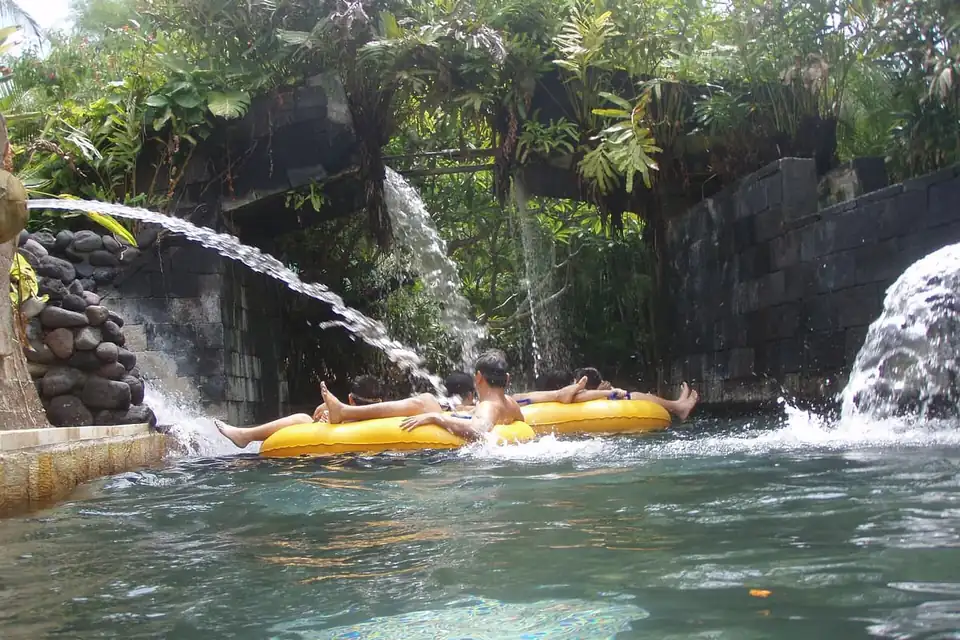
Kuta offers more than surf and nightlife. Right in the middle of town, Waterbom Bali is a large and well-run water park with slides, pools and a lazy river set in landscaped gardens, consistently rated among Asia’s best. It gives families a full, easy day out and a break from the beach and the streets.
The gentle learner waves and wide beach also suit families who surf, and the town’s cheap, varied food is forgiving of fussy eaters. Parents seeking calmer seas and a quieter setting sometimes prefer Sanur, but for a lively, low-cost base with plenty to keep children busy, Kuta holds its own.
Practicalities suit young travellers well. Day tickets for Waterbom Bali cost around Rp 550,000 for adults and less for children, with lockers and cabanas charged separately, and the shaded gardens make a long day bearable in the heat. Beyond the park, the wide beach gives room for sandcastles back from the shore break, the food is varied and forgiving, and pharmacies and clinics sit close at hand. Families wanting a gentler sea sometimes base themselves at calmer Sanur and visit Kuta for the day, keeping the water park and the shopping without the late-night noise.
Getting around and moving on
Central Kuta is walkable, and many people cover the beach, markets and bars on foot, though the heat and crowds make longer trips easier by scooter or a ride-hailing app such as Grab or Gojek. Traffic in the narrow streets is often heavy, so short distances can take a while, especially near the airport.
One-way streets and dense traffic shape every short journey. Cars crawl through the centre at peak times, so a two-kilometre hop can take longer than the walk, and scooters weave through the gaps. Ride-hailing apps give clear, metered fares and remove the haggling of street taxis, though drivers are sometimes asked to meet passengers a street away from market entrances where local taxi cooperatives operate. For the airport just to the south, allow extra time in the late afternoon, when departing traffic and arriving flights clog the approach roads and a short drive can stretch out.
Seasons make a difference to the mood as much as the weather. The dry months from May to October bring cleaner surf, clear sunset skies and the year’s busiest, priciest weeks around July and August, while the wet season from November to March sees heavy afternoon downpours, quieter streets and softer rates, with mornings often still bright. Because Kuta is cheap and sits so close to the terminal, it works as a practical first or last night in any season, a place to shake off a long flight or spend a final day before checking in.
As a base, Kuta connects easily to the rest of the south. Stylish Seminyak and the surf-cafe sprawl of Canggu lie just up the coast, the seafood grills of Jimbaran and the clifftop surf of Uluwatu to the south, and calm Sanur, the jumping-off point for the Nusa islands, across the peninsula. Inland, cultural Ubud is a straightforward day trip or the next leg of a wider journey.