

Bali · Independent Travel Guide
Bali Travel Guide: Best Places, Things to Do & Trip Planning
Everything you need to plan a trip across Bali, from Ubud and the rice terraces to the surf and sunsets of Uluwatu, Canggu and Seminyak, calm Sanur, the volcanic highlands, and the cliffs and manta rays of Nusa Penida, where to go, what to book, and when.
Welcome
Your guide to Bali
Bali fits a lot into one small island, and short drives and cheap scooter hire make it easy to string together. In a single trip you can surf and watch the sunset at Uluwatu, spend beach-club days at Canggu and Seminyak, walk the rice terraces and art villages around Ubud, and cross to Nusa Penida for its cliffs and manta rays.
Add the volcanoes and crater lakes of the highlands at Kintamani and Munduk, the quiet diving coast at Amed, calm, family-friendly Sanur, and a Balinese Hindu culture of temples, festivals and daily offerings, and it is easy to see why Bali works for a first visit or a tenth. This independent guide is here to help you plan it: where to go and what to see, when to visit and how to get around, the history, food and culture, and the best tours and places to stay in each destination.
Where to go
Explore Bali
Pick a region to see the best tours and experiences, what to see, and where to stay, everything you need to build the trip around it.
-
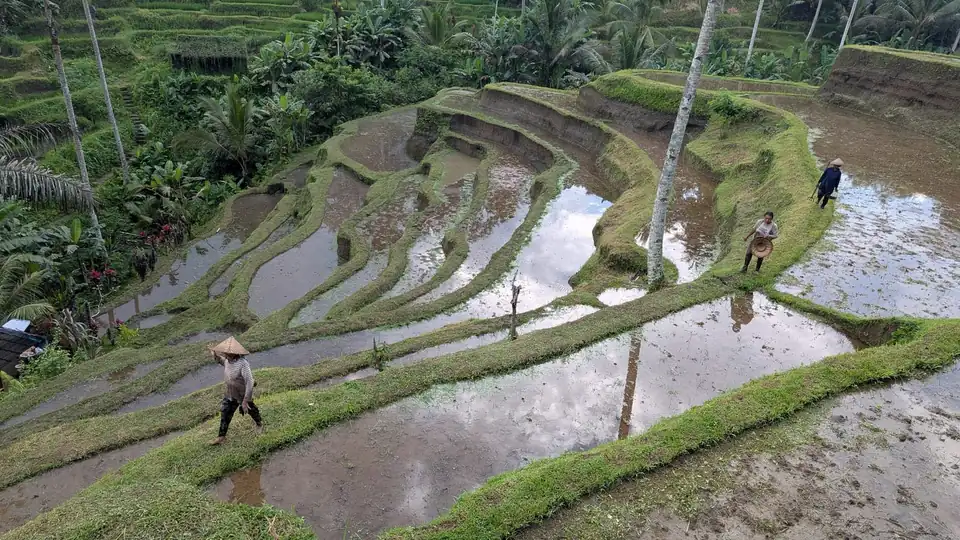
Ubud: Bali's Cultural Heart in the Hills
Culture · Rice terraces · Yoga and wellness
-
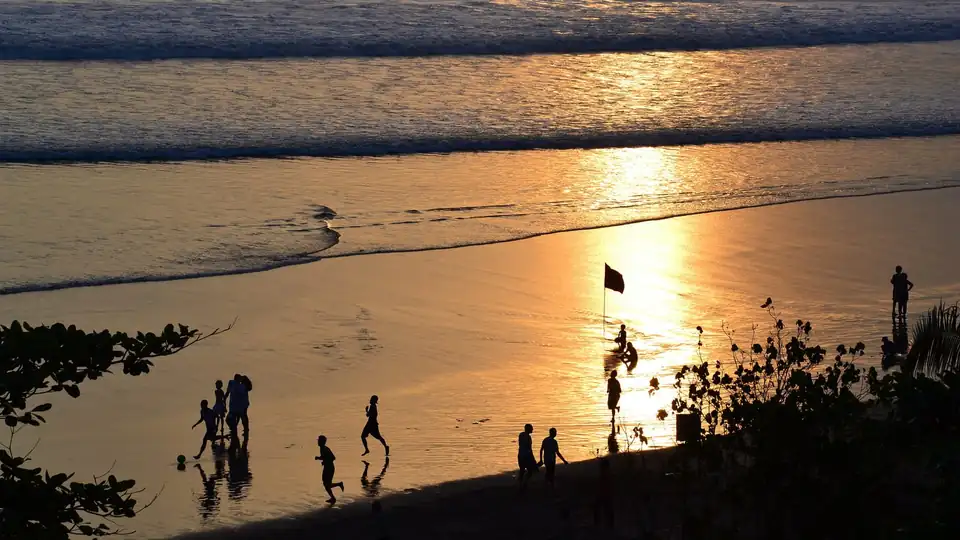
Seminyak: Bali's Stylish Beach Resort
Beach clubs · Sunsets · Dining
-
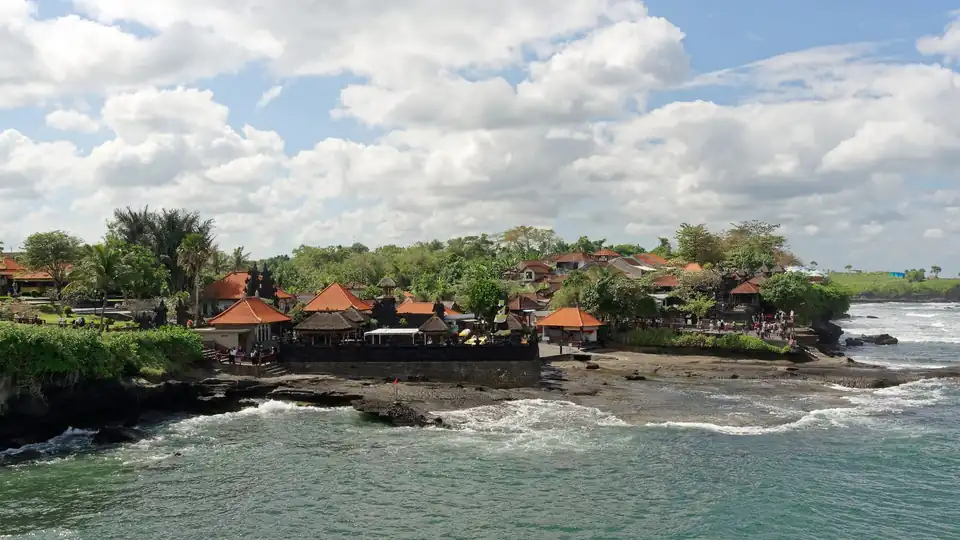
Canggu: Bali's Surf and Cafe Coast
Surfing · Cafes · Digital nomads
-
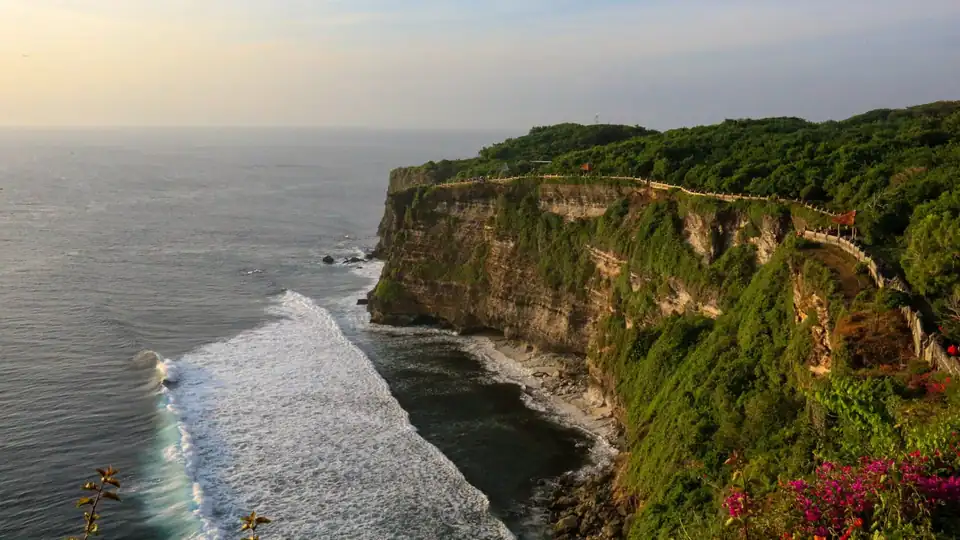
Uluwatu: Clifftop Temples and World-Class Surf
Surfing · Clifftop views · Cove beaches
-
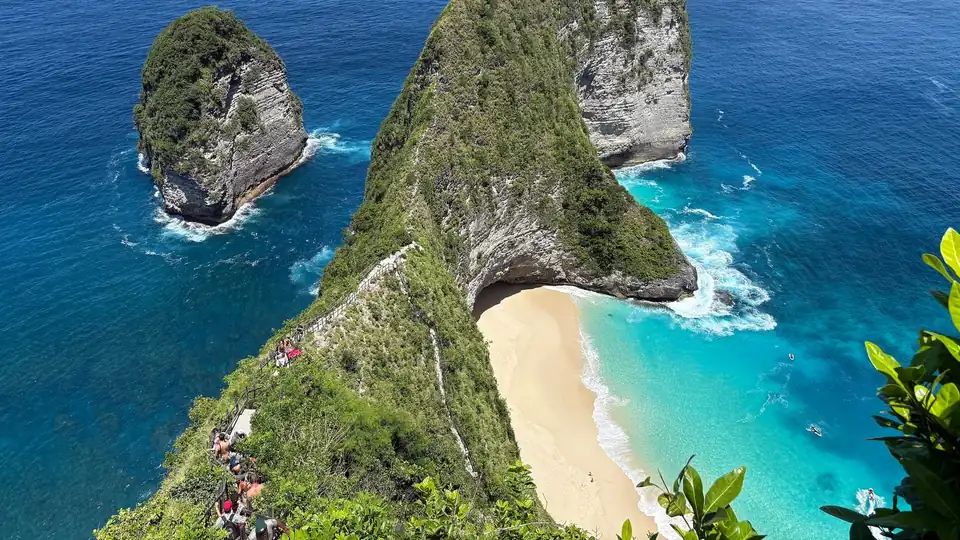
Nusa Penida: Bali's Wild Island of Cliffs and Coves
Cliff viewpoints · Snorkelling · Diving
-
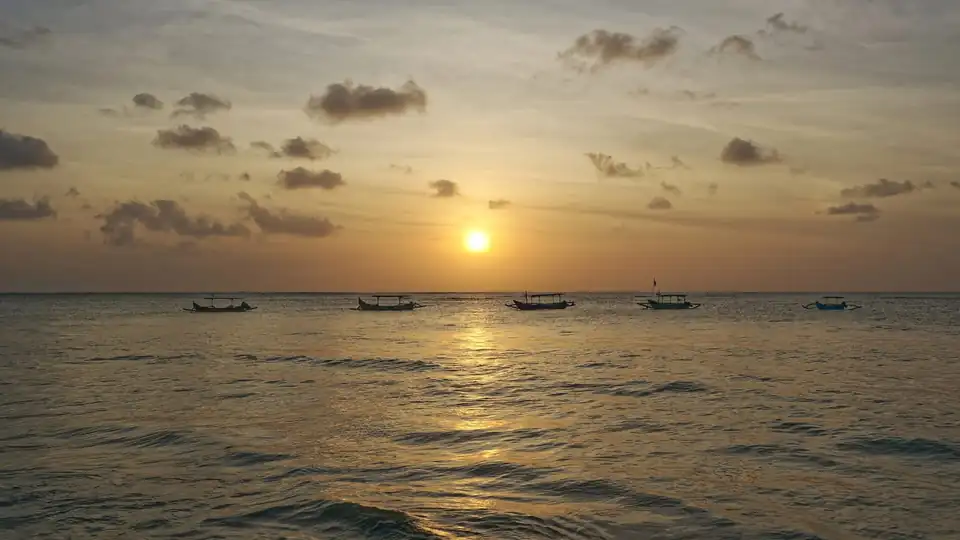
Kuta: Bali's Original Beach Town
Learning to surf · Sunsets · Budget travel
-
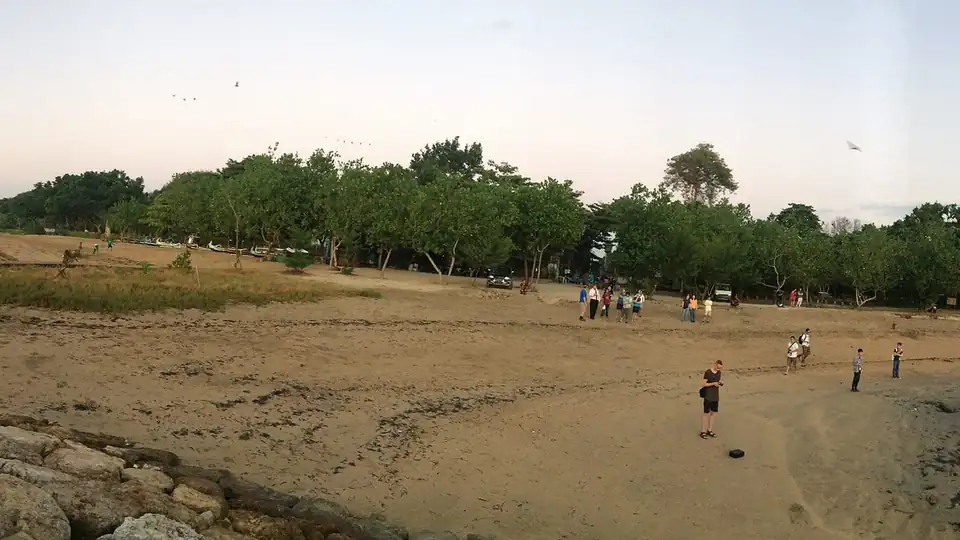
Sanur: Bali's Calm Seaside Town
Calm beaches · Families · Sunrise
-
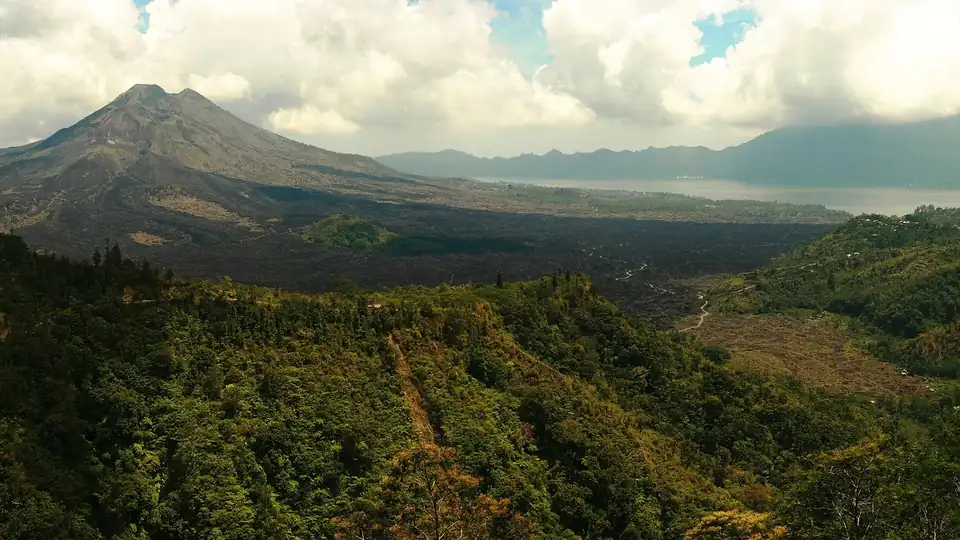
Kintamani: Bali's Volcano and Crater Lake
Volcano sunrise trek · Crater views · Hot springs
-
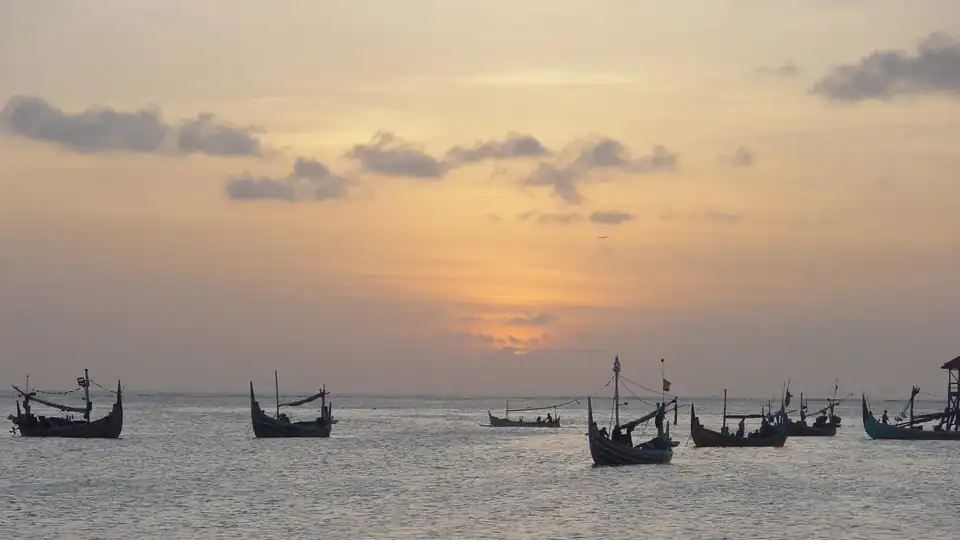
Jimbaran: Seafood Grills and a Sweeping Bay
Seafood dinners · Sunsets · Calm beach
-
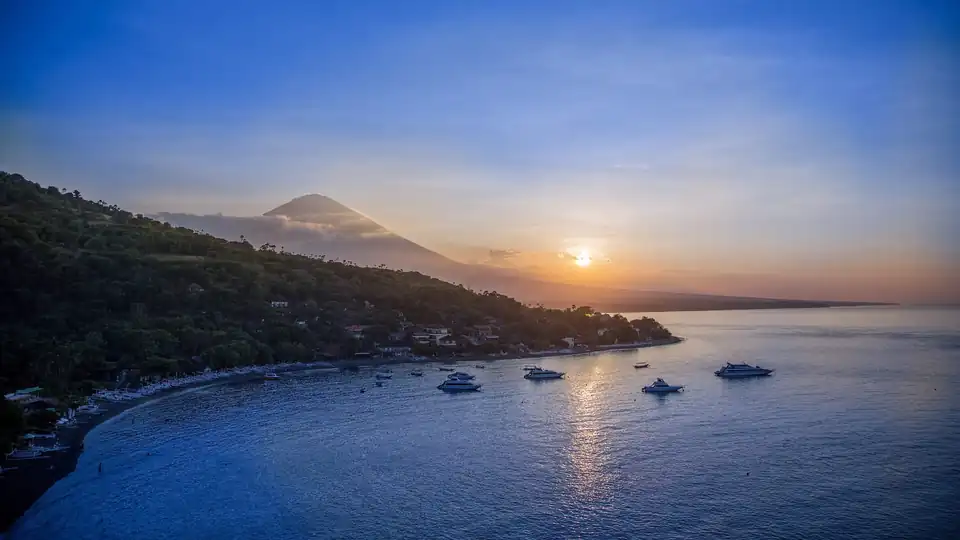
Amed: Bali's Quiet Diving Coast in the East
Diving · Snorkelling · Freediving
-
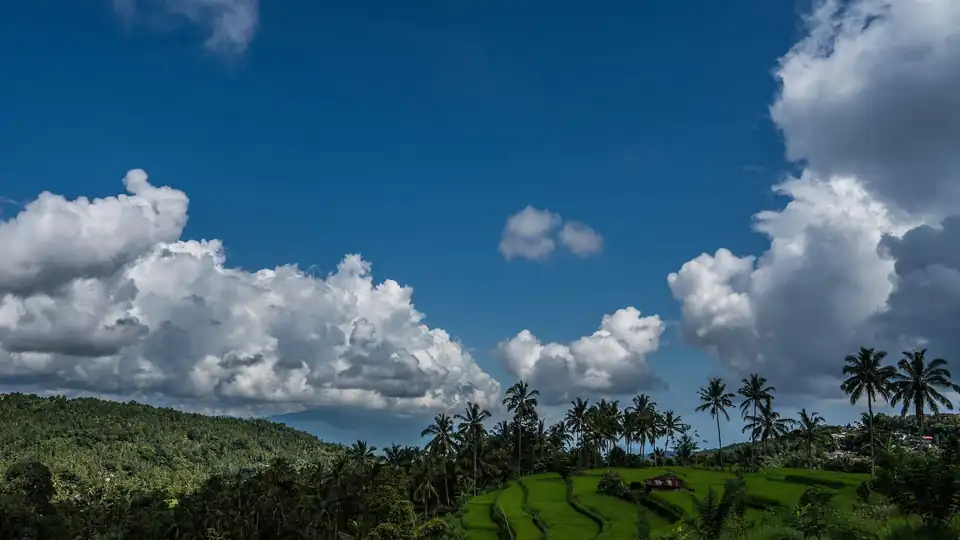
Munduk: Bali's Cool Highland of Lakes and Waterfalls
Waterfalls · Mountain lakes · Hiking
-
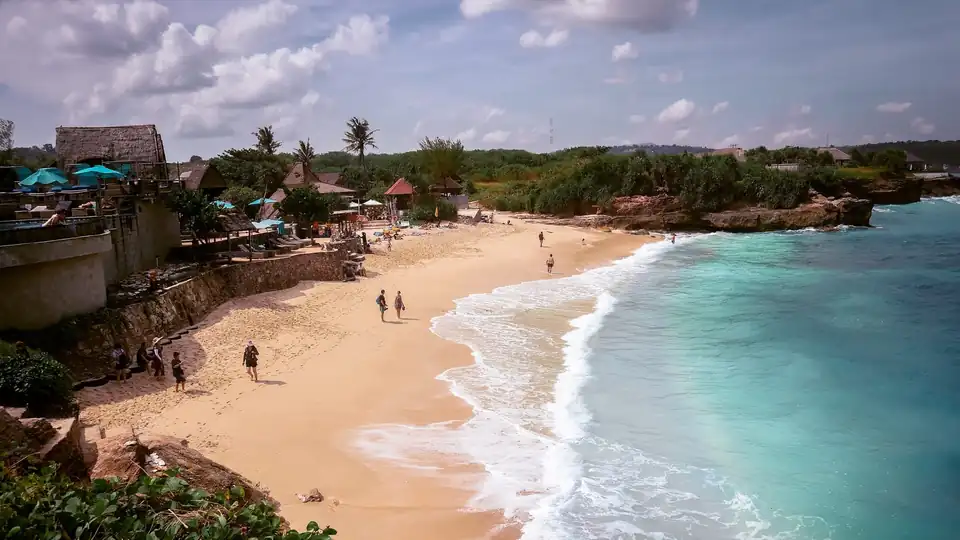
Nusa Lembongan: Bali's Relaxed Island Escape
Snorkelling · Surfing · Relaxing
-

Sidemen: East Bali's Quiet Valley of Rice Terraces
Rice terrace walks · Mount Agung views · Slow stays
-
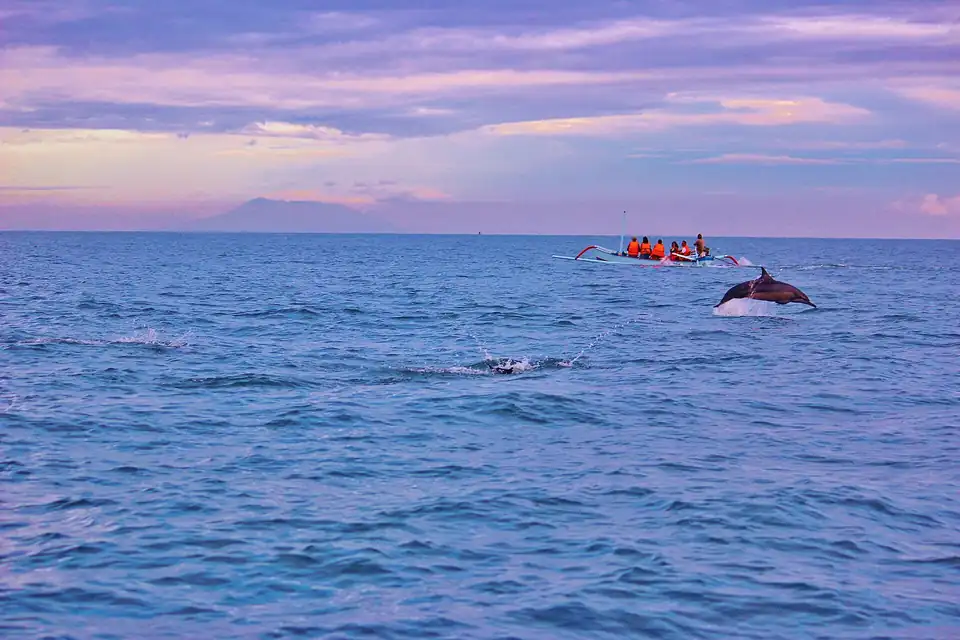
Lovina: North Bali's Black-Sand Coast and Dawn Dolphins
Dawn dolphin trips · Calm black-sand beaches · Quiet slow stays
-
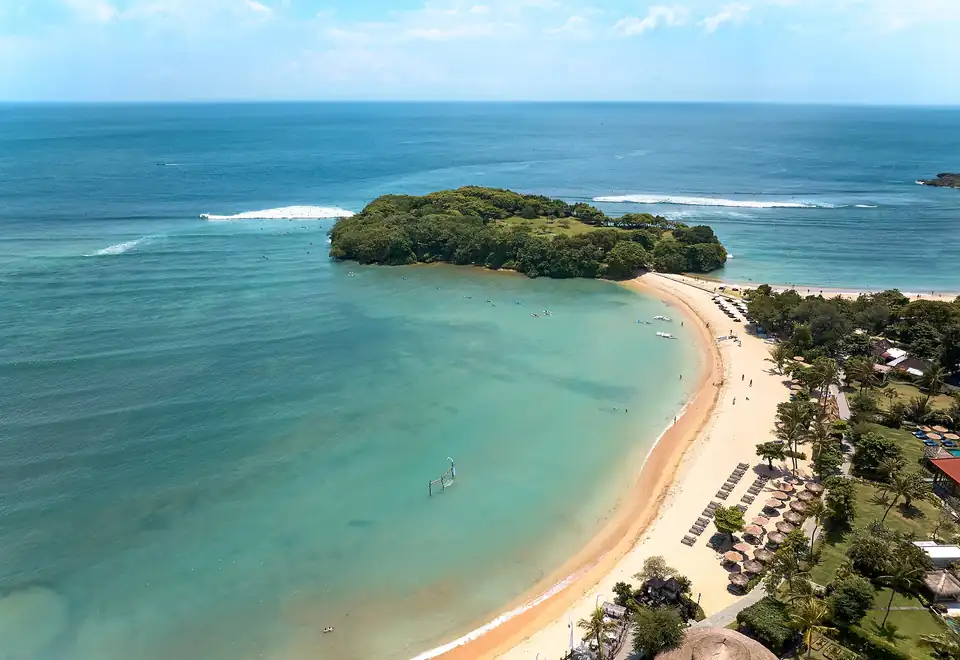
Nusa Dua: Bali's Planned Resort Enclave on the Bukit
Calm-water beach days · Contained resort stays · Water sports at Tanjung Benoa
The lie of the land
Where these places sit
Bali is compact, and most visitors base themselves in the south, where the beaches, surf and nightlife of Seminyak, Canggu, Kuta and Uluwatu cluster near the airport. Ubud sits inland among the rice terraces and art villages, the highlands rise north to the volcanoes and crater lakes of Kintamani and Munduk, and the east coast stays quieter, with diving at Amed and calm, family-friendly Sanur. The Nusa islands, Nusa Penida and Nusa Lembongan, lie a short boat ride offshore to the southeast. Roads are slow and southern traffic is heavy, so cluster your stops by area. Tap a place on the map to jump straight to it.
Go deeper
In-depth guides
Long-form, practical guides to the trips people plan a visit around, and how to do each one well.

ATV and Quad Biking in Bali: Parks, Rules and Gear
How an ATV ride in Bali works: where the parks are, mud, tunnel and waterfall routes, single or tandem, age limits, clothes, insurance and licences.
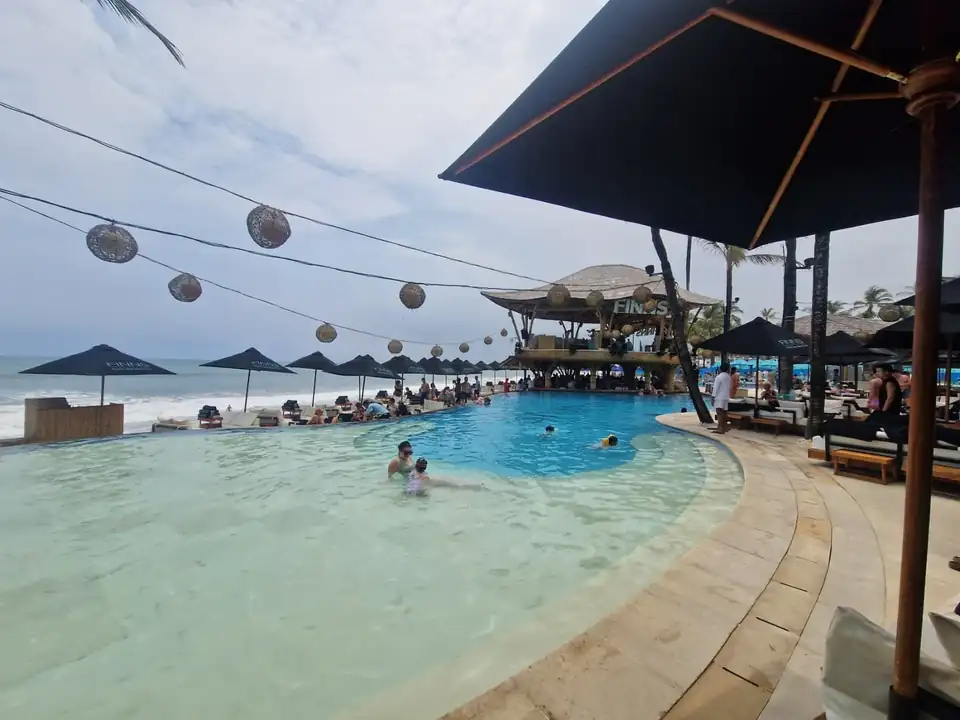
Bali Beach Clubs Compared: Entry, Prices and Sunsets
Bali's beach clubs compared from their own websites: free entry or day pass, daybed prices, age rules, and which shores actually face the sunset.
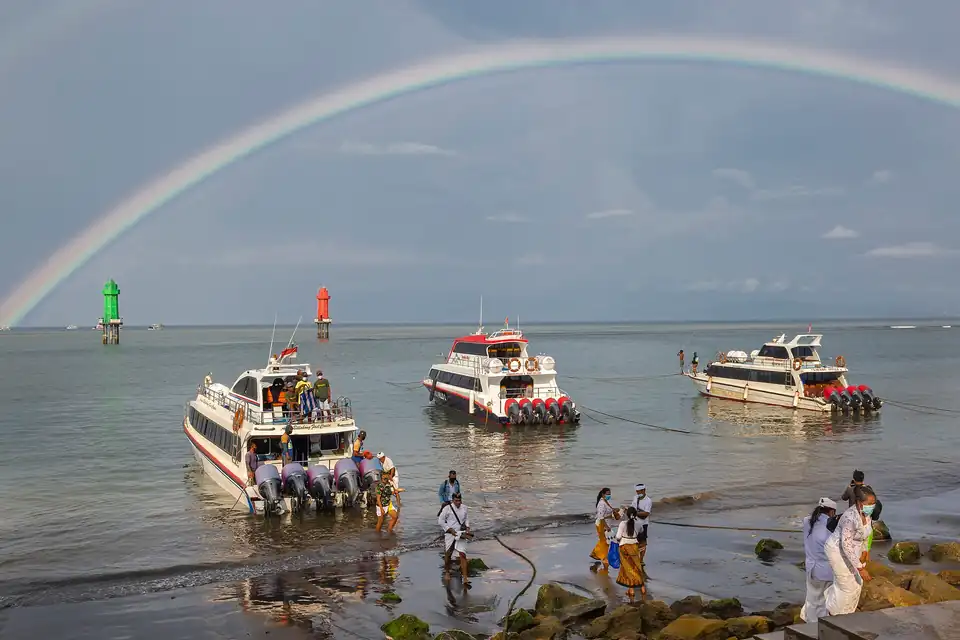
Bali Fast Boats: Routes, Safety and How to Book
Bali fast boats from Sanur, Padang Bai and Serangan to the Nusa islands and Gilis, the Lombok public ferry, the August 2026 ferry fire, safety and booking.
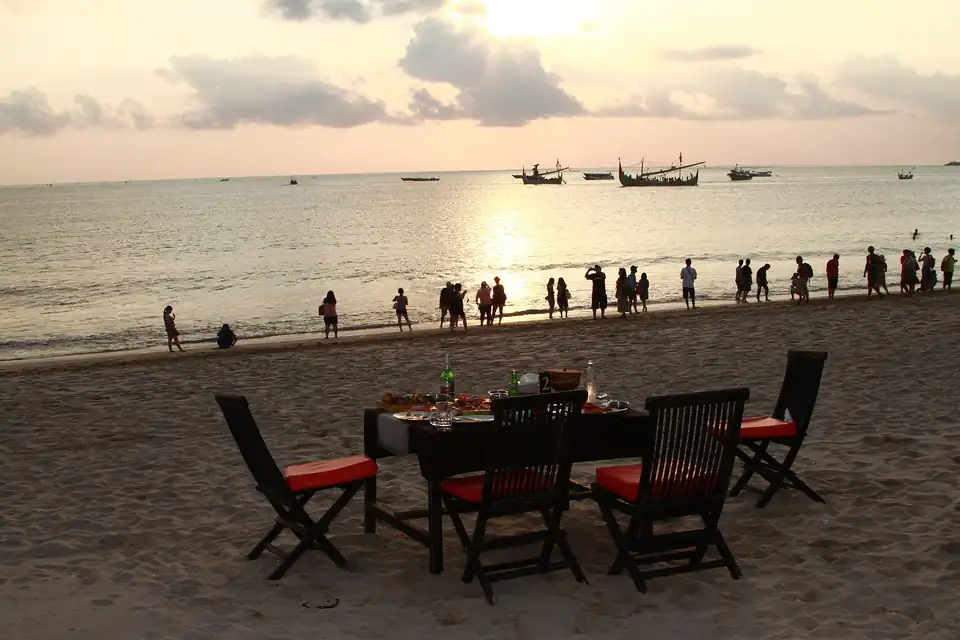
Bali Honeymoon: Where to Stay, When to Go and What to Do
Plan a Bali honeymoon: the best months, how to split the stay between Ubud and the coast, the private-pool villa question and romantic things to do.
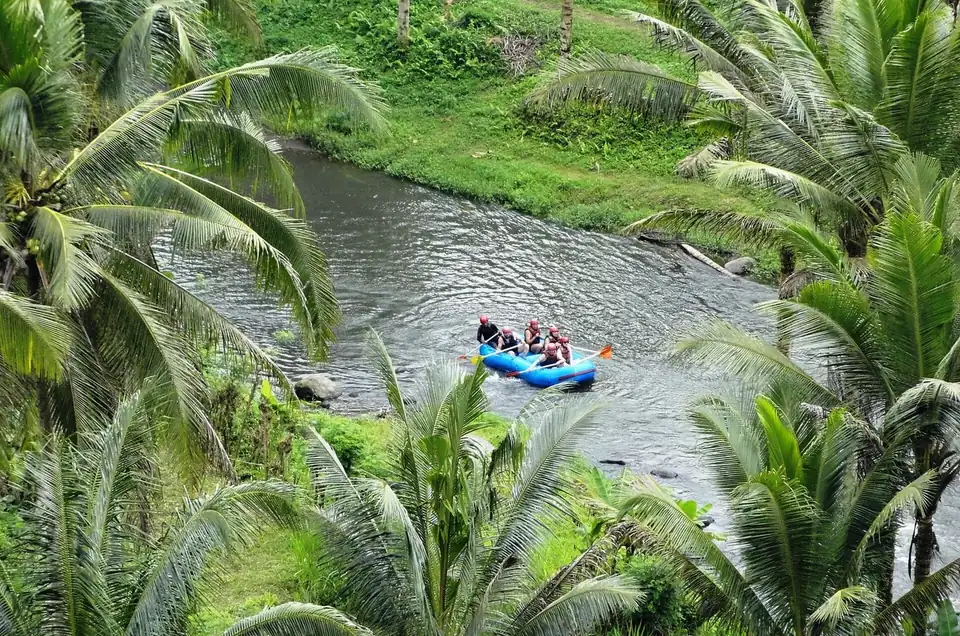
Bali Itinerary: 5 Days, Day by Day
A day-by-day Bali itinerary for 5 days: 3 days around Ubud, 2 on the south coast, an optional Nusa Penida swap and a one-base version with no hotel change.
Bali Itinerary: How to Plan 7 or 10 Days
A practical Bali itinerary for 7 and 10 days: base in Ubud for culture and rice terraces, then the south coast beaches, with a Nusa Penida day trip.
Start here
Plan your trip to Bali
Destinations
Ubud and the rice terraces, the surf towns of Uluwatu, Canggu and Seminyak, calm Sanur, the highlands and the Nusa islands, place by place.
ExplorePlan your trip
When to visit, the visa on arrival, getting around by scooter, driver and boat, costs in rupiah, and the practical details to know.
ExploreAbout Bali
The island itself, its people, language, food and the Balinese Hindu faith that shapes daily life across it.
ExploreBali history
From early Hindu-Buddhist kingdoms through the Majapahit era and Dutch rule to independence and Bali today.
ExploreBook with confidence
Most-booked experiences
The set-piece days, a Nusa Penida island tour, an Uluwatu temple and Kecak dance sunset, an Ubud rice-terrace and waterfall loop, and a Mount Batur sunrise trek, sell out days ahead in high season. These are the top-rated options on Viator, ranked by traveller reviews. Prices shown were correct when this page was last built.
 Free cancellation
 Ubud Private Tour Rice Terraces Temples Waterfalls.
 Free cancellation
 Best of Ubud Full-Day Tour with Jungle Swing
 Free cancellation
 Ubud: Monkey Forest, Jungle Swing, Rice Terrace and Water Temple
 Free cancellation
 Private 1-Day Ubud Highlights Tour
 Free cancellation
 Private Uluwatu Sunset Tour with Kecak Dance and Dinner
 Free cancellation
 Best of Bali Waterfalls: Tibumana, Tukad Cepung and Tegenungan
 Free cancellation
 Nusa Penida Manta Snorkeling & Land Tour from Bali
 Free cancellation
 Discover The Best of Ubud: All-Inclusive and Private Guided Tour
Good questions
Bali travel FAQ
Frequently asked questions
Is Bali worth visiting?+
Bali packs beaches, surf, temples and rice country into one small island you can cross in a few hours. The south holds the surf and beach clubs of Seminyak, Canggu, Kuta and Uluwatu; Ubud sits inland among rice terraces, art villages and the monkey forest; the highlands rise to volcanoes and crater lakes around Kintamani and Munduk; and the Nusa islands offshore hold the cliffs and manta rays of Nusa Penida. Add warm Balinese Hindu culture, daily temple offerings and food that runs from cheap warungs to fine dining, and Bali suits anything from a week to a month.
When is the best time to visit Bali?+
The dry season from May to October, with April as the changeover, is the sweet spot, with sunny days, lower humidity and the calmest seas for surfing, diving and boat trips to the Nusa islands. July and August are the busiest and priciest months, so late April to June and September to October give you good weather with fewer crowds. The wet season runs November to March, when the rain comes in short afternoon downpours rather than all day, and prices and crowds ease. The island is small, so conditions stay broadly similar across it.
How many days do you need in Bali?+
A week lets you pair two bases, for example Ubud for culture and rice terraces and a southern beach town such as Canggu or Uluwatu for surf and sunsets. Ten days adds a day trip or overnight to Nusa Penida, plus time in the highlands around Kintamani or Munduk. Two weeks is enough to fold in the quiet east coast at Amed for diving, calm Sanur for families, and a slower pace throughout. Roads are slow and traffic in the south is heavy, so keep drives short and cluster stops by area.
Is Bali safe for tourists?+
Yes, for the main areas. Ubud, Seminyak, Canggu, Uluwatu, Sanur and the Nusa islands are used to visitors, including solo and family travellers, and the biggest risks are the roads, the sea and an upset stomach rather than crime. Traffic is dense and scooter accidents are common, so ride only if you are confident and always wear a helmet. Respect strong currents and swim between the flags on surf beaches, drink bottled or filtered water to avoid Bali belly, and take normal care with valuables. Balinese hospitality is one of the island's highlights.
Is Bali expensive?+
It is good value by international standards, with a wide spread of prices. Local warungs, scooter hire and simple guesthouses cost little, while beach clubs, private villas with pools and fine dining sit at the higher end. Tropical fruit, street food and local meals are cheap, and you can eat and stay well on a modest budget away from the smartest spots. The currency is the Indonesian rupiah. Booking accommodation early for the July and August peak keeps rates down, and staying outside the busiest beach strips cuts costs further.
Do people speak English in Bali?+
Very widely in tourist areas. Indonesian is the national language and Balinese is spoken day to day, but English is used across hotels, restaurants, tours, shops and transport, so you will rarely have trouble being understood. A few words of Indonesian such as terima kasih for thank you are welcomed, though they are not needed to get around. This makes Bali one of the easier places in Asia to travel independently, whether you book ahead online or arrange things once you arrive.
What is Bali famous for?+
Its beaches, surf, temples and rice terraces. The south draws surfers and beachgoers to Uluwatu, Canggu, Seminyak and Kuta; Ubud is known for rice paddies, the monkey forest, art villages and yoga; and clifftop temples such as Uluwatu and the sea temple at Tanah Lot are set-piece sunset spots. Offshore, Nusa Penida draws crowds for its cliffs, snorkelling and manta rays. Bali is also known for its Balinese Hindu culture, with temples, festivals and daily offerings woven through everyday life, and for spas, villas and a strong food and cafe scene.
Do you need a visa to visit Bali?+
Many visitors do not for a short trip. Passport holders from the UK, US, Australia, the EU and many other countries can get a 30-day visa on arrival at Ngurah Rai airport, which can usually be extended once for a further 30 days. Indonesia also charges a separate tourism levy on arrival, and you will need a passport valid for at least six months and an onward or return ticket. Rules and fees change from time to time, so check the current requirements for your passport before you travel. See our Plan your trip guide for details.