

Bali works for almost any budget, from shoestring backpacking to comfortable villa holidays, which is a large part of its appeal. Everything is priced in Indonesian rupiah, and the big numbers can make costs hard to judge at first, so it helps to think in daily budgets and rough dollar equivalents. Eat at warungs and travel like a local and Bali is genuinely cheap; move to beach clubs, Western restaurants and private drivers every day and the cost climbs, though it often still represents good value.
Here the costs get put into numbers: sample daily budgets in rupiah, rough US dollar equivalents alongside them, and a breakdown of where the money goes, from accommodation and meals to transport, tours, entrance fees and boats. Treat the figures as illustrative ranges rather than fixed prices; your real spend turns on your choices, the season and the exchange rate. For how to handle the money itself, see our currency page.
Sample daily budgets
As a rough planning guide, excluding international flights, three broad styles cover most trips. A budget backpacker, staying in guesthouses or hostels, eating at warungs and getting around by scooter or ride-hailing, might spend somewhere around 400,000 to 700,000 rupiah a day, very roughly 23 to 39 US dollars at the September 2026 rate. This is Bali at its cheapest, and it is a comfortable, sociable way to travel for those happy with simple rooms.
A mid-range traveller, in a nice hotel or modest villa, mixing warungs with restaurants and using drivers for day trips, might spend perhaps 1,000,000 to 2,000,000 rupiah a day, roughly 56 to 113 dollars. A comfortable traveller in a private villa with a pool, eating well and hiring drivers freely, could spend 3,000,000 rupiah a day or more, over 169 dollars. For the individual prices behind these ranges, see is Bali expensive?. These ranges are illustrative; where you stay is the biggest single variable, so treat accommodation separately when planning.
Accommodation, from guesthouse to villa
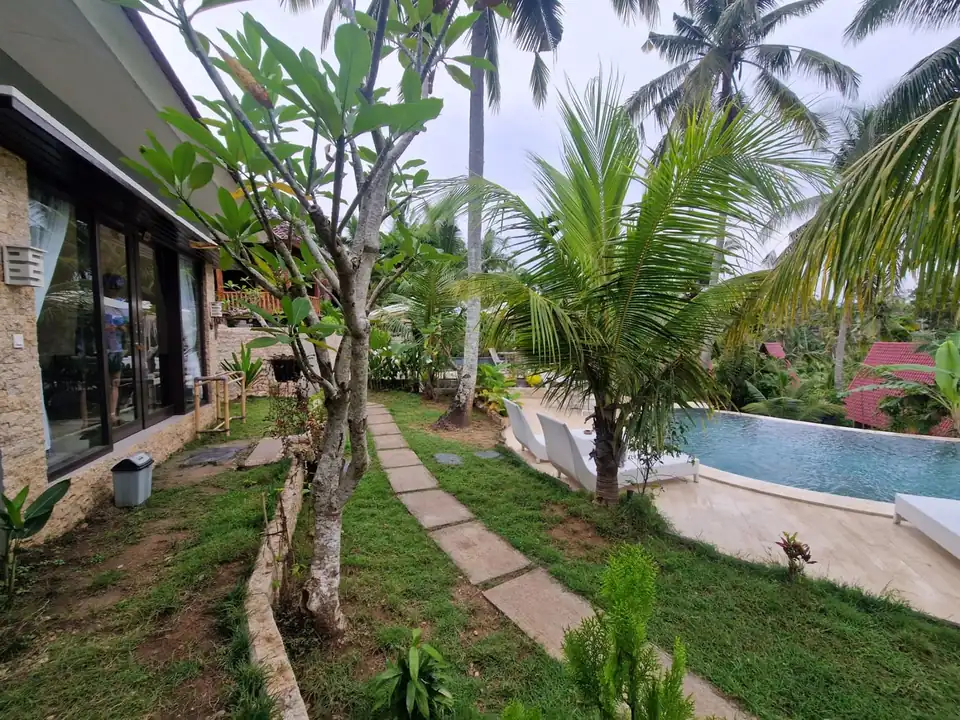
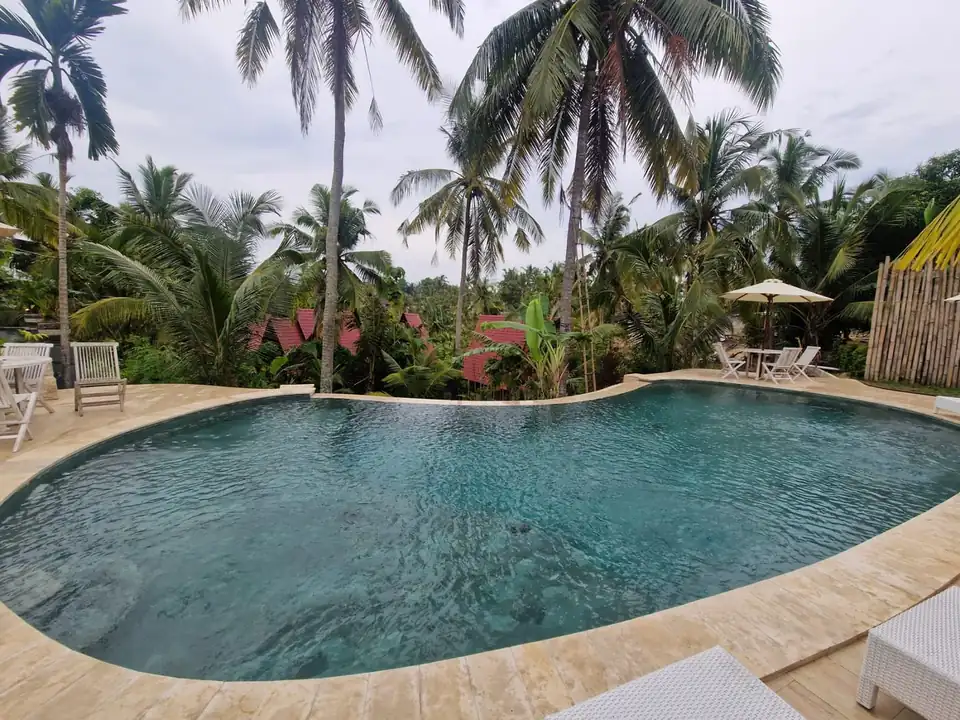
Accommodation is where budgets diverge most. At the low end, family-run guesthouses and hostels are plentiful and cheap, especially in Ubud, the east and the north. In the middle sit comfortable hotels and the modest private villas Bali is famous for, offering a pool and space for a fraction of what similar would cost elsewhere. At the top, luxury villas and resorts in areas like Seminyak and the Bukit Peninsula command high prices, particularly in peak season.
Location and season drive the cost. The smart south is dearer than quieter areas, and prices rise sharply in July, August and over Christmas and New Year, as covered on our best time to visit page. Booking a villa with a group can make the per-person cost very reasonable. Because rooms range so widely, it is worth deciding your accommodation standard first and budgeting daily spending on top of it.
Food, transport and tours
Food costs span a wide range. A warung meal runs from around 20,000 to 50,000 rupiah, a mid-range restaurant main perhaps 80,000 to 200,000, and the smart Western restaurants and beach clubs of the south considerably more. Local coffee and Bintang beer are cheap; imported drinks and cafe flat whites cost much more. For transport, ride-hailing hops in the south are very cheap, a scooter is cheap to hire but carries real risks, and a car with a driver for a full day is outstanding value, as our getting around page explains.
Tours and activities vary by type. Organised day tours, diving trips, cooking classes, surf lessons and spa treatments are all reasonably priced by international standards, though prices in the tourist south are higher than booking similar things locally. Entrance fees to temples, rice terraces and waterfalls run from Rp 25,000 at Tegallalang to Rp 130,000 at the Monkey Forest, and they add up over a busy trip, so budget a little cash each day for them and for temple parking and sarong hire.
Where money goes far, tips and island cash
Your money stretches furthest away from the smart south. Ubud, the east coast around Amed, the north around Munduk, and the quieter areas generally offer cheaper food, rooms and activities than Seminyak, Canggu and the beach-club strip. Choosing warungs, local transport and family-run guesthouses in these areas can slash a daily budget. Even within the south, stepping one street back from the beach usually lowers prices.
Two final points on cash. Tipping is not obligatory but is appreciated: upscale restaurants and beach clubs add 15 to 21 per cent tax and service on top of menu prices, and beyond that a small tip for drivers, guides and spa staff is a kind gesture. And on the Nusa Islands, where ATMs are limited and cards less accepted, withdraw enough rupiah in Sanur before you cross, since goods shipped to the islands can also cost a little more. Our currency page has the full picture on cash, cards and ATMs.