
Most people see Nusa Penida in a single day from Bali, and most of that day is spent moving: a boat across the strait, then hours on roads that are far slower than the map suggests. This page is about whether that works, what one day realistically covers, and when a night on the island is the better call. For what the island is and what stands on it, the Nusa Penida overview covers the ground.
Two practical facts shape any visit. You reach the islands by fast boat from Sanur, a short crossing that still cancels in rough seas. And the roads on Penida are rough and slow, so distances that look small on a map eat up the day. Get those two things right and the rest of the trip falls into place.
Getting there by fast boat
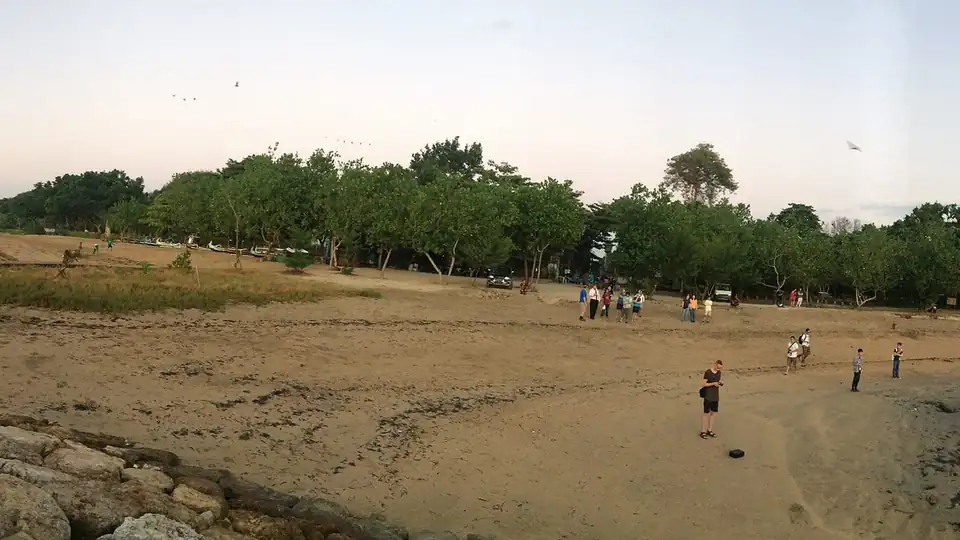
Fast boats leave Sanur through the day, with the heaviest schedule in the morning and again in the afternoon, and cross to Penida’s north coast in about 30 to 45 minutes. A return ticket runs roughly Rp 250,000 to Rp 400,000 (about 16 to 26 US dollars). Boats also run from Padang Bai in the east. Buy the day before in busy months, arrive early since boarding at Sanur is a wet-feet affair straight off the beach, and keep your plans flexible, because crossings are cancelled when the swell is up.
The west-coast tour
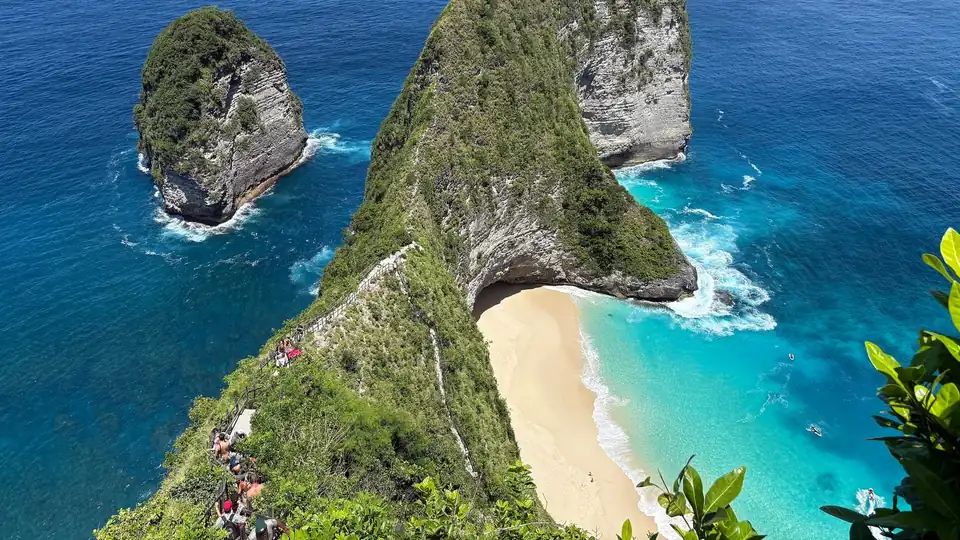
The west coast holds the island’s signature sights and is what most day trippers come for. The headland above Kelingking Beach, shaped like the head of a dinosaur, is the view that put Penida on the map, with a steep and rough stairway down to the sand for those with the legs for it. A standard west-coast loop pairs Kelingking with Angel’s Billabong, a natural rock pool by the sea, Broken Beach, where the ocean fills a collapsed cavern ringed by cliffs, and Crystal Bay, the easiest place to swim and snorkel. These stops sit relatively close together, which is why the west coast works as a single day.
The east coast and quieter corners
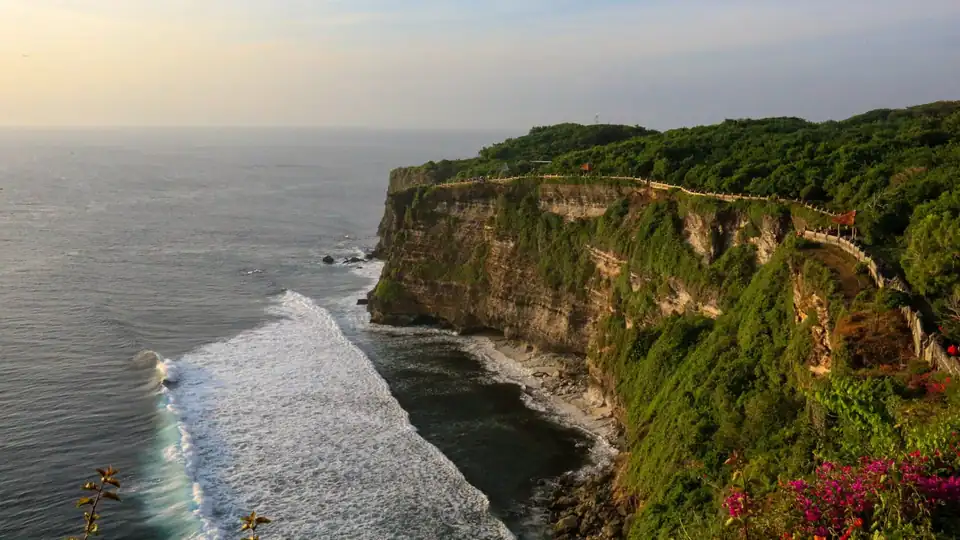
The east coast is less visited and, to many, just as rewarding. Diamond Beach and neighbouring Atuh Beach sit below dramatic cliffs, with a carved stairway leading down to white sand and rock stacks offshore. The Thousand Islands viewpoint looks out over a maze of tiny islets. Because the east lies at the far end of slow roads from the harbours, it rarely combines with the west in one day. If you have two days, give one to each coast; if you have one and prefer fewer crowds, the east is a fine alternative to the famous west.
Snorkelling with mantas and mola mola
The waters around Penida are the real draw for many visitors. Manta Point, off the southwest, offers the chance to snorkel with manta rays much of the year, and boat trips from the north-coast harbours usually string together Manta Point with reefs at Crystal Bay, Gamat Bay and Wall. Between about July and October, divers in the colder, deeper water sometimes meet the large mola mola sunfish, one of the region’s rarest sights. Sea conditions here can be strong, so go with an operator who knows the currents and matches the trip to your experience.
Day trip or stay
The choice comes down to pace. A day trip from Sanur suits a first look focused on the west coast: catch an early boat, join a driver or small-group tour, and return in the afternoon. Staying one or two nights lets you see both coasts, add a manta snorkel and enjoy the beaches without watching the clock. Accommodation on Penida is more basic than on the main island, though it is improving. Many people combine the trip with Nusa Lembongan, which is smaller, gentler and more developed, and hop across to Penida for a day of sightseeing.
Nusa Lembongan and Ceningan
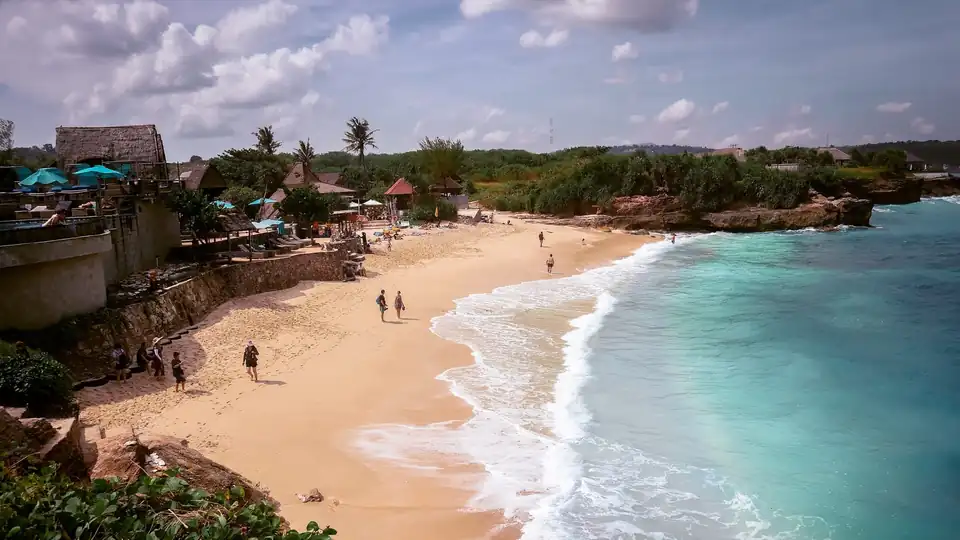
Lembongan is the easier island of the group and a natural pairing with Penida. It is small enough to loop on a scooter in an afternoon, with a relaxed beach scene, more restaurants and calmer roads than its bigger neighbour. Dream Beach and the cliff above it are the sunset spot, Mushroom Bay is sheltered for swimming, and the mangrove channel on the north side is a gentle paddle. A yellow suspension bridge links Lembongan to tiny Nusa Ceningan, where the Blue Lagoon and a cliff jump draw a younger crowd. Boats run between Lembongan and Penida in about 15 minutes, so basing on Lembongan and day-tripping to Penida is a common and comfortable plan. If you have longer and want a second island group rather than a second Nusa, the Gili Islands sit off Lombok, an hour or two by fast boat from Bali’s east coast.
Getting around once you land
Transport is the part travellers most often underestimate. On Penida, the classic options are a private driver with a car, a small-group tour, or a hired scooter. A driver for the day costs roughly Rp 600,000 to Rp 800,000 (about 39 to 52 US dollars) and takes the stress out of the steep, rough tracks. Group tours are cheaper per head and gather you from the harbour. Scooters give freedom but demand real confidence on bad roads, and hire shops cluster near the ports. Whichever you choose, agree the route and price before you set off, fill up with fuel early since stations are sparse, and start at dawn to reach the headline viewpoints before the crowds and the heat.
Planning your time
One full day covers the west-coast highlights. Two days let you add the east coast and a manta trip, and three give room to fold in Lembongan and Ceningan at a slower pace. Come in the dry season, from May to October, when the crossings are most reliable and the sea calmest for snorkelling. Bring cash, since card payments are patchy, wear sturdy shoes for the beach stairways, and start each day early to reach the famous viewpoints before the midday boats deliver their crowds.


