
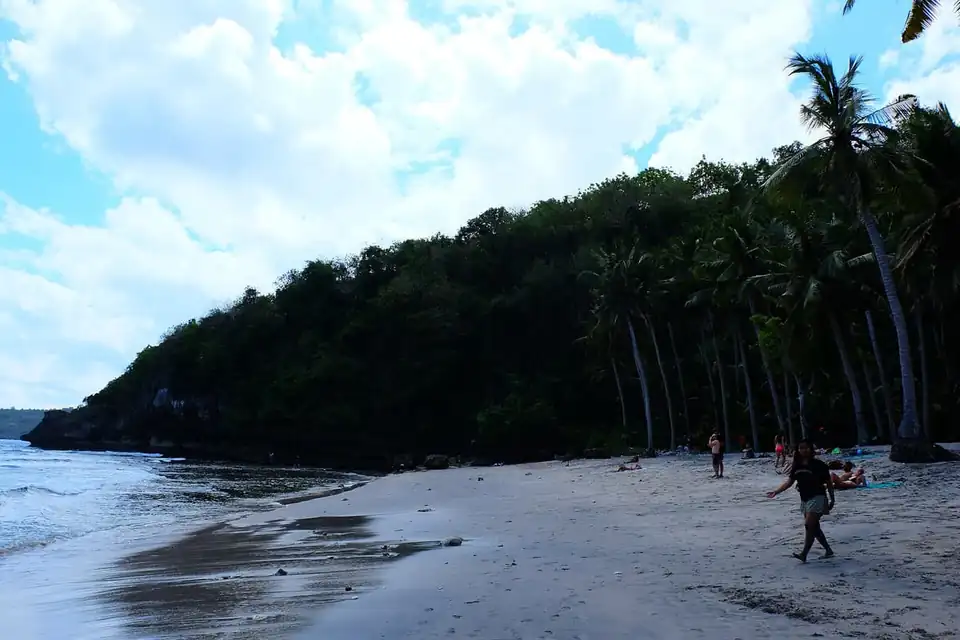
Bali has several very different kinds of snorkelling. There are shore reefs where you walk in from the beach, calm bays on the Nusa islands, a shallow lagoon on the east coast, a national-park island in the north-west, and open-water trips to see manta rays. Which one suits you depends on how confident a swimmer you are and how far you want to travel. This guide sorts them, says what each involves, and covers the safety side, including currents and the conditions on the manta trips.
The table below compares the snorkelling tours that run in Bali, so this page concentrates on where to go and what to expect.
Shore snorkelling in Amed and Tulamben
The north-east coast is the easiest place to snorkel without a boat. At Jemeluk Bay the reef drop-off starts within 100 metres of the beach, and a small group of underwater statues with a postbox sits 20 to 30 metres out from the right-hand side of the bay. The entry is the hard part, because the beach is large slippery volcanic pebbles. Wear hard-soled water shoes and put your fins on once you are waist deep. Snorkel gear can be hired from beachfront cafes from about Rp 50,000.
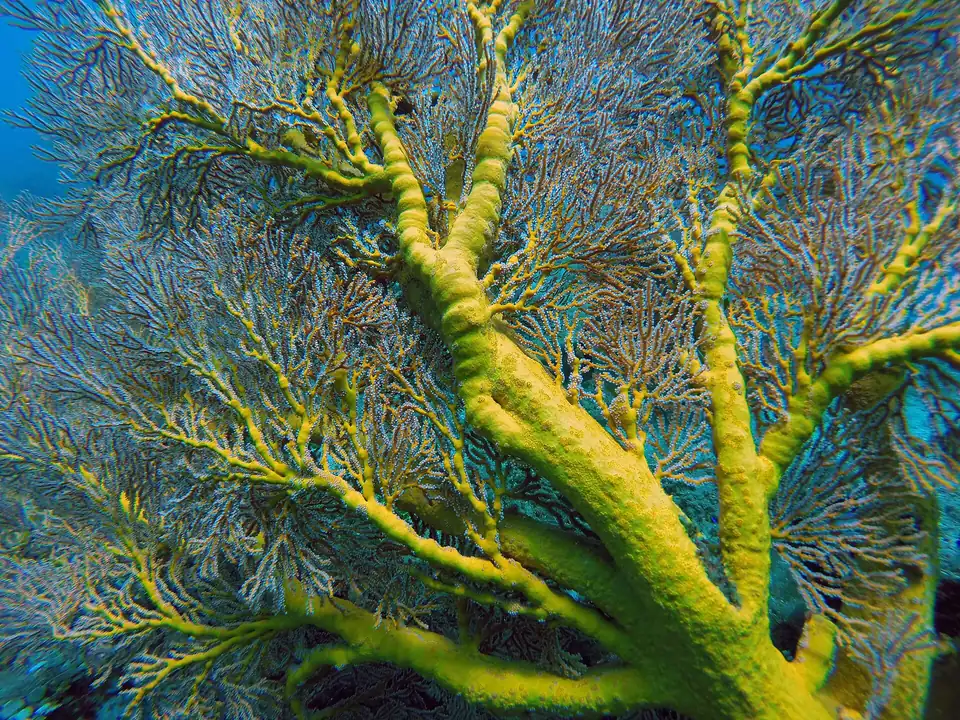
Along the coast, the USAT Liberty wreck at Tulamben lies close to the beach, and its upper parts are shallow enough to see from the surface. Half a day of snorkel hire is about Rp 130,000 according to that page. Early mornings are quietest, since day trippers from the south tend to arrive after 10am. Our page on Amed covers where to stay for both sites.
Crystal Bay and Mushroom Bay
The Nusa islands have the most accessible calm-water snorkelling. Crystal Bay on Nusa Penida has a sheltered reef close to shore with turtles and reef fish, and masks and fins can be hired at the warungs. Use the line of moored boats as your boundary. The current between the beach and the rock in the middle of the bay is dangerous, and the right-hand side at low tide can push you onto the coral. The deeper water outside the bay is for divers, who go there for mola mola from July to October. Seeing one is a diving job, not a snorkelling one.
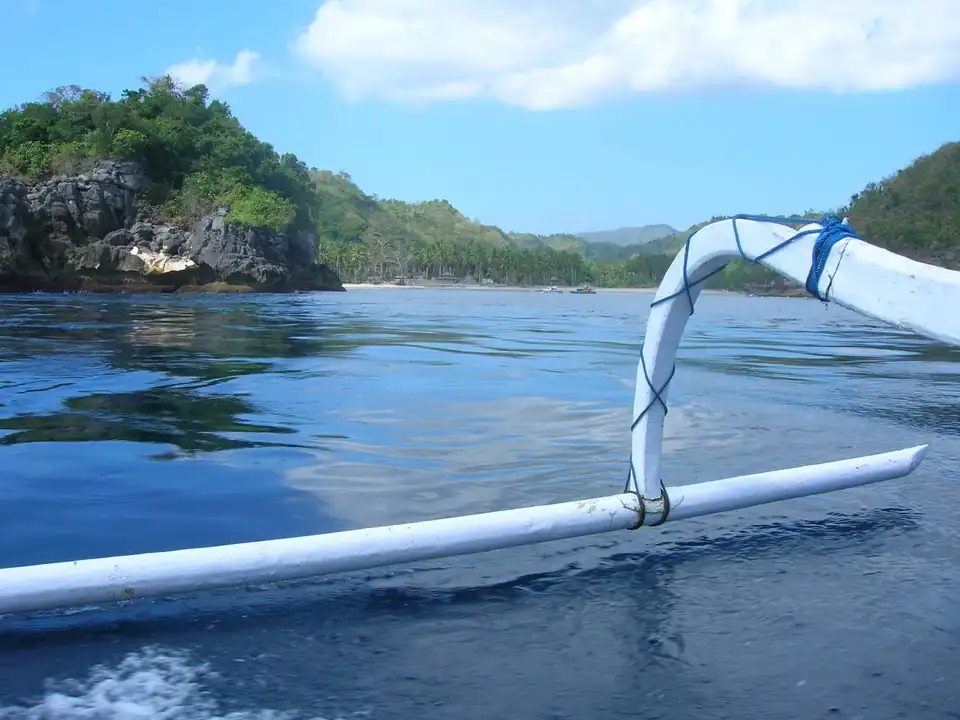
Mushroom Bay on Nusa Lembongan is calm and clear, with an attractive reef close to the sand and plenty of marine life. The one thing to watch is the boat dock: when a boat comes in, its wake can change the current and raise the waves, so keep clear. For the wider picture see our Nusa Penida pages, and the Nusa Penida tours include boat snorkelling that visits several of these reefs in a day.
The Blue Lagoon at Padang Bai
The Blue Lagoon is a small crescent of calm water near the ferry port of Padang Bai on the east coast, and it is one of the most searched snorkelling spots on the island. We do not have a page on it, so this part rests on one guide that we could not date. It describes a guided snorkel of approximately 2 hours, usually part of a longer tour with transport and lunch. Turtles, clownfish, moray eels and reef fish are commonly seen, though sightings vary by season and visibility.
The same guide advises going early, because morning departures usually give the best visibility, calmer seas and fewer boats in the lagoon. It also says to wear water shoes for rocky entry points, not to stand on or touch coral, and not to chase turtles or rays. The tour it describes suits people who are comfortable in waist-to-chest deep water and can swim short distances, which makes this a good first outing for nervous snorkellers.
Menjangan Island and the north-west
Menjangan Island lies inside West Bali National Park, off Pemuteran, and is a long way from the southern resorts. Plan on a full day. A July 2026 guide describes a boat ride of about 40 minutes from Pemuteran and two guided snorkels, with a break for lunch between them. The same guide says the shallows hold thick coral and lots of fish, with the occasional turtle, which makes it good for beginners who want to stay near the surface.
Costs need care. The park fee is paid in cash on the spot and is usually not in the tour price. The July 2026 guide gives IDR 215,000 per person plus an extra IDR 100,000 on Sundays and public holidays. An older independent guide uses a different structure and lower rates from 2020, so treat any figure as a guide and confirm it when you book. That older guide also notes that plastic can drift in the water at times, with no season when it is reliably better. If you want to go on your own, the park offices at Labuhan Lalang and Teluk Terima open at 8am.
Manta rays off Nusa Penida
Manta snorkelling is the big draw on Nusa Penida, and the sites are known as Manta Point and Manta Bay. Boats go from Toyapakeh Bay, and one February 2026 account describes about 30 minutes on the water before arriving, with the mantas visible from the boat and the group in the water within moments. The mantas can reach a body size of up to 5 metres, which looks intimidating at first, though that writer found them harmless. A dive operator describes the site as a cleaning station where reef mantas gather throughout the year, with the busiest period from July to September.
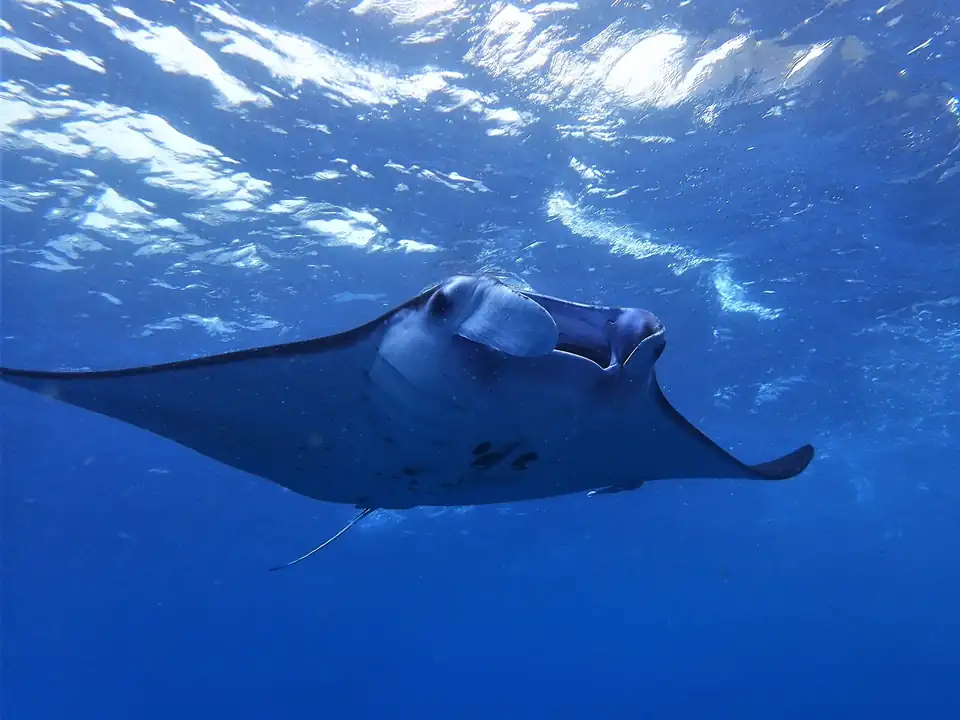
What does a good trip involve? Look for a safety briefing before you enter the water, a guide in the water with the group, and a rule about how close to approach the mantas. One operator page says its briefing covers how to interact with them, and notes that moving too aggressively or too close can spook wildlife and make conditions unsafe in the tight space. Do not chase, touch or block a manta. Choose a small group, because crowding at a busy cleaning station is the commonest complaint. Our Nusa Penida guide covers the island as a whole.
Choosing a spot and staying safe
For a first snorkel, pick a sheltered place: the Blue Lagoon, Jemeluk Bay or the inside of the boats at Crystal Bay. For coral, go to Menjangan. For the manta trip, be honest about your open-water confidence, because the swim is the demanding part, not the boat ride.
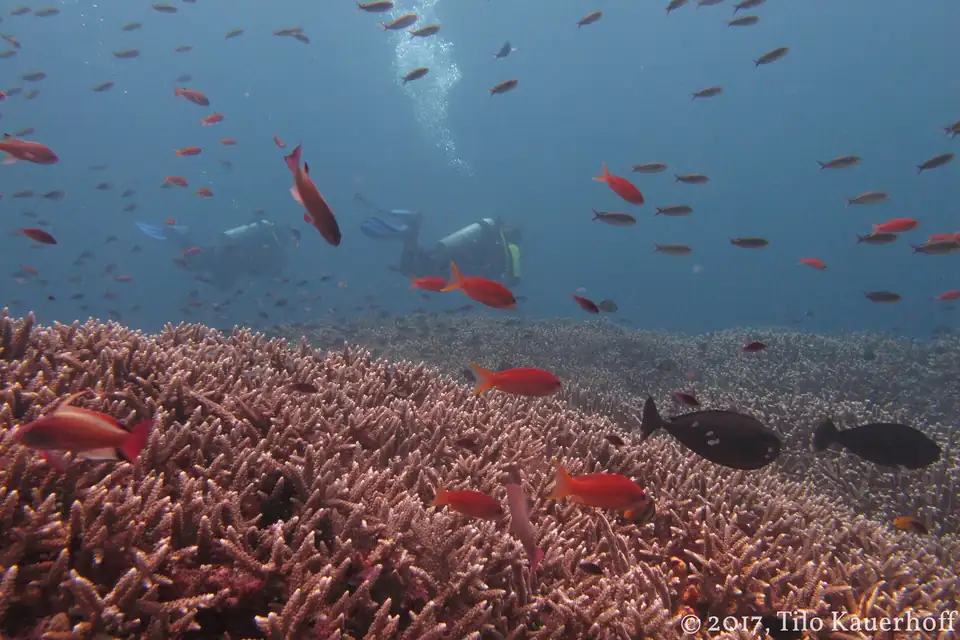
Across all of these, the rules are the same. Go in the morning, when the water is calmest and the light and visibility are best. Use reef-safe sunscreen and never stand on or touch coral. Do not swim beyond the boundary the locals use. Check the dry season, roughly April to November, if you want the clearest water, and note that conditions around the Nusa islands change quickly. Finally, check what your travel insurance says about snorkelling and boat trips before you go.


