
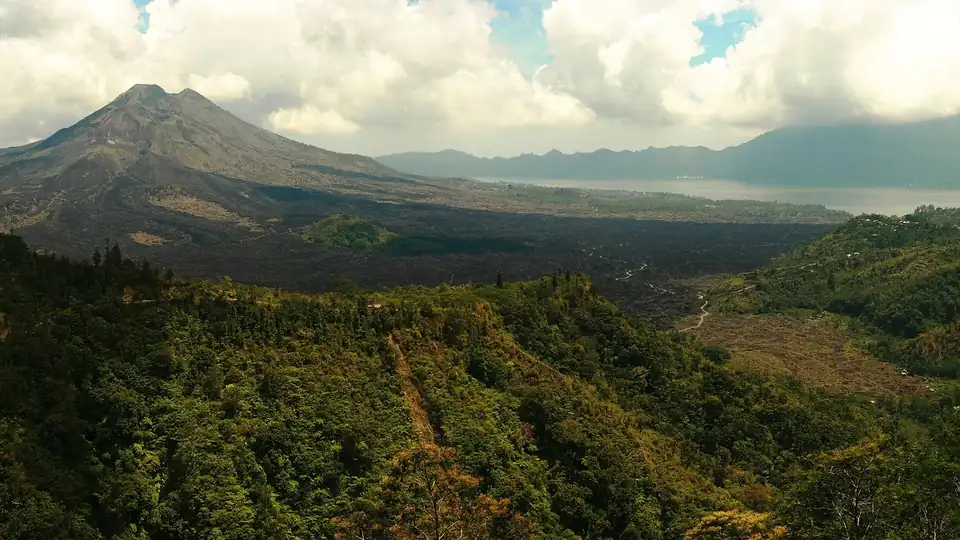
Kintamani · Kintamani, volcano and crater lake
Things to do in
Kintamani
Sunrise treks up an active volcano and cool caldera views over Lake Batur in the northern highlands.
- Ideal stay
- A day trip or 1 night is enough for the sunrise trek and the caldera views.
- Best time
- The dry season from May to October gives the clearest sunrises and driest trails.
- Getting around
- A driver is easiest for the early start; the trek itself needs a licensed local guide.
- Good to know
- It is cool at altitude, especially before dawn, so bring a warm layer for the summit.
Kintamani is Bali's volcano country, where a sunrise trek up Mount Batur looks out over a vast caldera lake.
Kintamani lies in the cool northern highlands, set around the huge caldera that holds Mount Batur and its crater lake. The active volcano rises from the caldera floor and is Bali's most popular sunrise trek. The rim villages give sweeping views over the lake and cone, often paired with local coffee and a warming meal. It suits early risers and walkers who want mountain air and dramatic scenery over beaches.
Before you go, read up on money and the rupiah, getting around by ferry, bus and car, the best time to visit and staying safe and healthy.
-
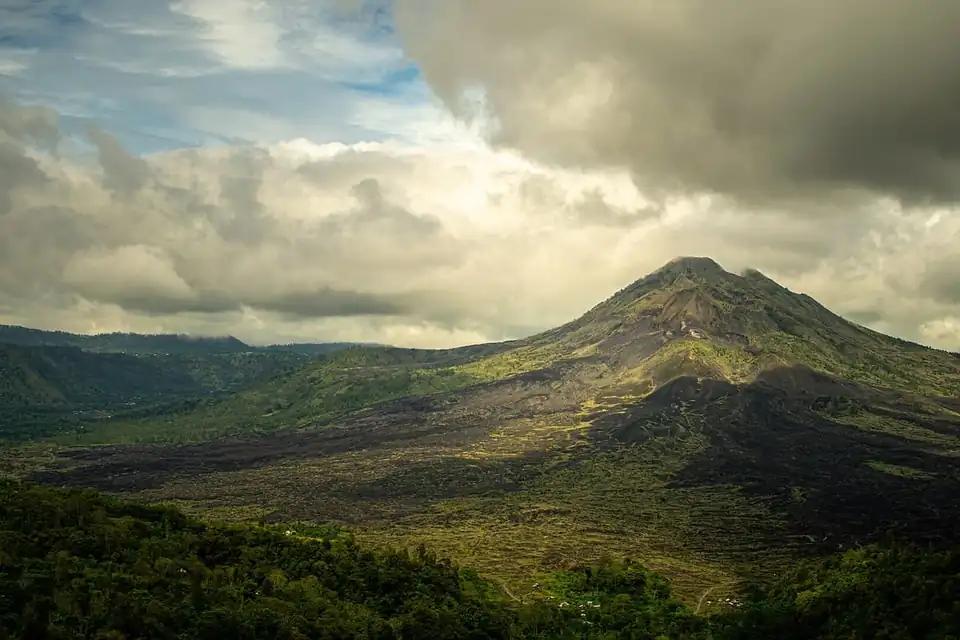 01 Sunrise trek
Mount Batur sunrise climb
Mount Batur is an active volcano whose summit stands 1,717 metres above sea level, and it is Bali's classic sunrise trek. Climbers set off in the dark to be on top for first light, so hotel pick-ups from south Bali run between 1am and 2:30am. The usual route gains roughly 400 metres in 1.5 to 2 hours on rock, sand and loose gravel, and a licensed local guide is compulsory.
Cost: Rp 100,000 entry for foreign visitors, plus a compulsory licensed guide; packages with hotel transfer from about Rp 700,000. Time: About 6 hours door to door from south Bali; 1.5 to 2 hours up from the base
Tip. Book a licensed local guide, wear proper shoes and pack a head torch and a warm layer for the cold summit.
Full guide to Mount Batur -
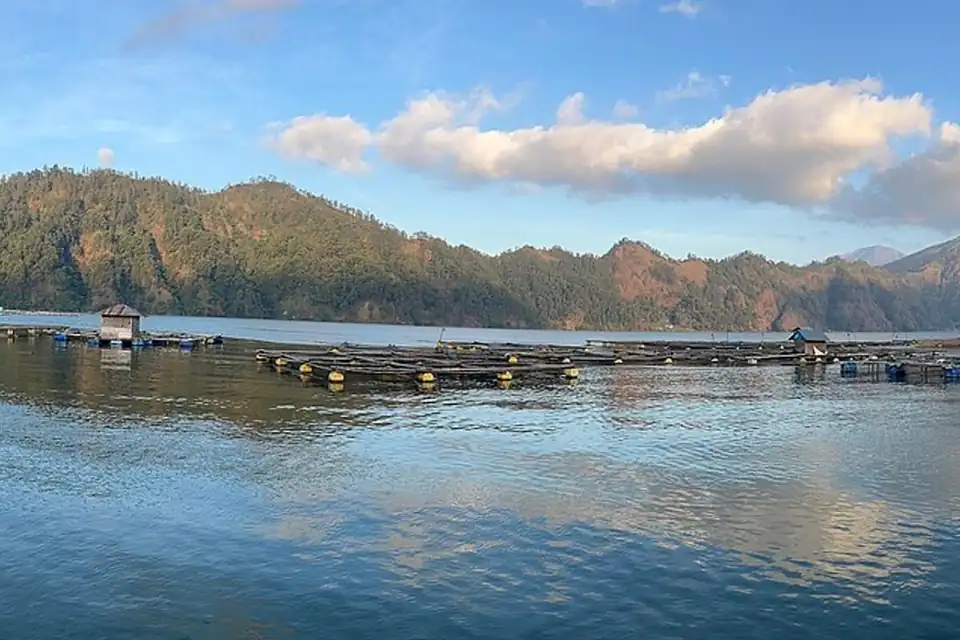 02 Crater lake
Lake Batur
Lake Batur is the largest crater lake in Bali, curled along the eastern floor of the caldera below the volcano. Its shores hold farming villages, hot springs and simple lakeside warungs. Boat trips and natural hot pools give a relaxed counterpoint to the early trek. The lake also feeds the surrounding farmland and is central to the area's traditional irrigation.
Cost: Free to see; Toya Devasya hot springs Rp 300,000 for a foreign adult (2024); the Trunyan boat is priced per boat. Time: Half a day for the shore and a hot spring; add the boat trip if you go to Trunyan
Tip. Soak in a lakeside hot spring after the dawn climb to ease tired legs while you take in the view.
Full guide to Lake Batur -
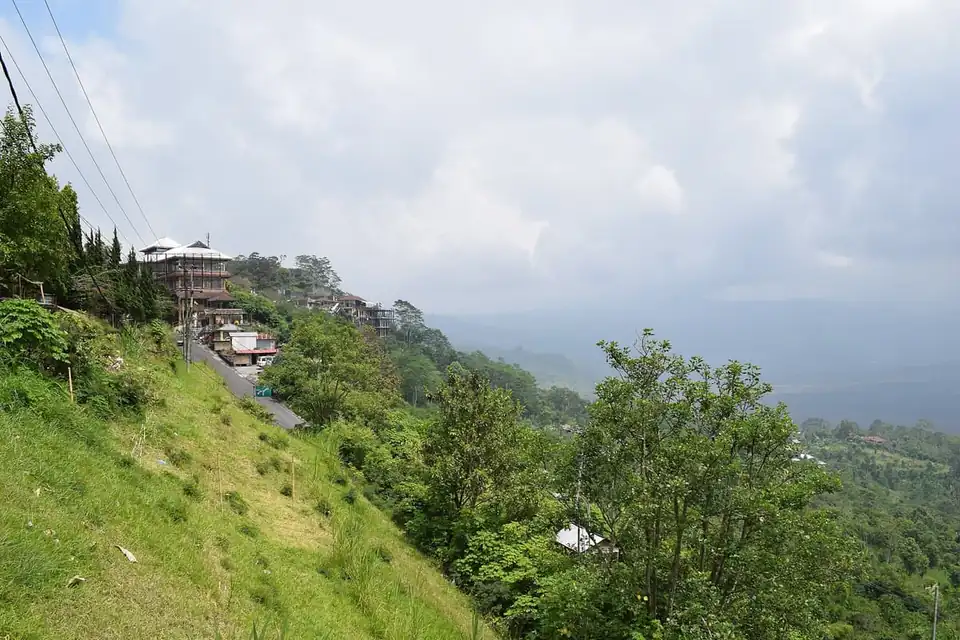 03 Caldera view
Penelokan viewpoint
Penelokan, whose name means place to look, is the main rim viewpoint over the Batur caldera. From the roadside restaurants and terraces the whole sweep of the volcano and lake lies below. It is an easy stop if you would rather not trek, with the best light in the clear morning hours. Buffet restaurants here make a common lunch stop on tours from the south.
Cost: Kintamani area levy Rp 50,000 per foreign visitor, collected 8am to 5pm; the view itself is free. Time: An hour for the view and a coffee; longer with lunch or the Geopark museum
Tip. Come in the morning for the clearest air, as cloud often builds over the caldera by the afternoon.
Full guide to Penelokan Viewpoint -
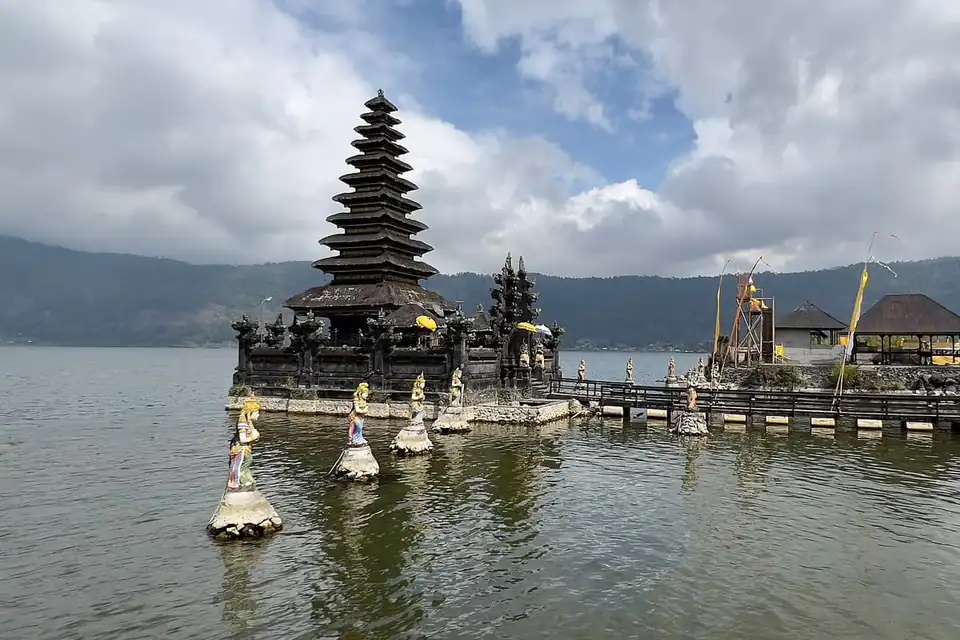 04 Lake temple
Pura Ulun Danu Batur
Pura Ulun Danu Batur is one of Bali's most important temples, dedicated to the goddess of the lake and the water that feeds the island's farms. The large complex sits on the caldera rim after being moved up from the lake shore following an eruption. Rows of tall meru shrines rise against the mountain backdrop. It is an active temple of high spiritual rank, so respectful dress and conduct are essential.
Cost: A gate charge or donation, quoted from Rp 10,000 to Rp 35,000; sarong hire extra if you have none. Time: About an hour for the main temple, Pura Penataran Agung Batur
Tip. Wear a sarong and sash and keep a respectful distance from any ceremony taking place in the courtyards.
Full guide to Pura Ulun Danu Batur - Coffee
Highland coffee and agrotourism
The cool slopes around Kintamani are known for coffee, and small plantations line the road up from Ubud. Agrotourism stops offer tastings of Balinese coffee and teas, including the famed civet coffee. Many have terraces looking out over the plantation and hills. It is a relaxed way to break the drive and learn how the local coffee is grown and processed.
Coffee plantations line the road between Ubud and Kintamani.
Tip. Ask what is included before ordering, as the civet coffee often costs extra beyond the free tasting flight.
- Scenic drive
Caldera rim drive and rim villages
The road along the caldera rim links a string of villages with changing views over the volcano and lake. It connects the viewpoints, the great lake temple and the coffee stops in one scenic route. The higher air stays cool and often misty, a marked change from the coast. It makes a rewarding half-day drive on the way to or from the north.
Free to drive; the road runs along the Kintamani rim above the caldera.
Tip. Combine the rim drive with a stop at Penelokan and the lake temple to see the caldera from several angles.
Top-rated Kintamani tours
The best-reviewed guided experiences on Viator, with free cancellation on most. Prices were correct when this page was last built.
 Free cancellation
Popular
Free cancellation
Popular
Mount Batur Sunrise Hike and Natural Hot Spring Option
 Free cancellation
Mount Batur Sunrise Trekking - Guided Hike with Breakfast on Top
 Free cancellation
Mount Batur Jeep Adventure
 Free cancellation
Mount Batur Sunrise Jeep Tour with Optional Activities
A first-timer's three days
A relaxed way to fold the essentials into a long weekend, keeping the busiest sights for the cooler ends of the day.
Sunrise on the volcano
- Start the Mount Batur climb before dawn
- Watch the sunrise from the crater rim
- Soak in a Lake Batur hot spring afterwards
Caldera and temple
- Take in the view from Penelokan viewpoint
- Visit Pura Ulun Danu Batur on the rim
- Break the drive with a highland coffee tasting
Lake and villages
- Drive down to the shores of Lake Batur
- Explore the lakeside villages and warungs
- Follow the scenic rim road back south
Insider tips
A few things that make Kintamani smoother, and keep the trip easy.
Dress for the cold
The pre-dawn summit is genuinely cold at altitude, so bring a warm layer, gloves and a head torch for the climb.
Use a licensed guide
The Batur trek is run by a local guides association, so book a licensed guide rather than climbing alone in the dark.
Go early for clear views
Cloud builds over the caldera through the day, so the sunrise and morning hours give the clearest views of the volcano and lake.
Expect a very early start
Trekking pickups leave the south around two in the morning, so plan to stay near Kintamani or brace for a long, sleepless drive.
Kintamani things to do: FAQ
Is the Mount Batur trek difficult?
It is a steep two-hour climb that most reasonably fit walkers can manage with a guide, but the early start and cold summit are demanding.
Do I need a guide for Mount Batur?
Yes, the climb is organised through a local guides association, so book a licensed guide rather than attempting it alone.
Can I visit Kintamani without trekking?
Yes, the Penelokan viewpoints, the lake temple and the coffee stops give the caldera scenery without any climbing.
How cold does it get at the summit?
It can be genuinely cold before dawn at altitude, so a warm layer, gloves and a hat are worth packing for the sunrise.
When is the best time to visit Kintamani?
The dry season from May to October gives the clearest sunrises and driest trails, with mornings offering the best views.