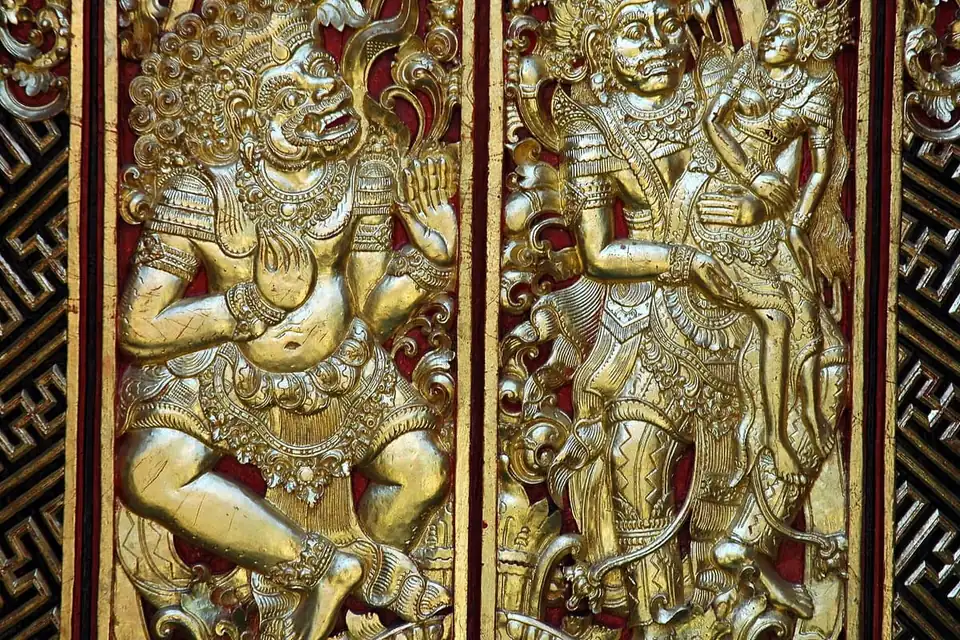
Pura Petitenget, in full Pura Dang Kahyangan Petitenget, stands just inside the car park of Petitenget Beach in Kerobokan, at the northern end of the Seminyak strip. Many people walk past it on the way to the sand. It is small and quick to see, but it is one of the temples tied to Dang Hyang Nirartha, the 16th-century priest from Java who shaped Balinese Hinduism, and Wikivoyage counts it as an important link in the chain of west-coast temples between Uluwatu and Tanah Lot.
The legend of the haunted chest
Before it was called Petitenget, this stretch of coast was known as alas Madurgama, the haunted forest, and it was guarded by a giant, Bhuto Ijo. By the version told by an elder of Puri Kelodan Kerobokan at a 2018 seminar, Nirartha came from Java to Pura Sakenan and then here, before travelling on to Uluwatu. He wanted to attain moksa, release, at this spot, but was not permitted to, and did so at Uluwatu instead. He left behind his betel box, the kotak pecanangan, and asked Bhuto Ijo to guard it.
The giant guarded it too well. Anyone who crossed the sacred boundary fell ill, and many people in Kerobokan sickened and died. The village elders went to Nirartha for advice, and he told them to build a shrine. That shrine became Pura Petitenget. The name follows the story: peti means chest or box, and tenget means haunted.
A large white statue of Bhuto Ijo, set up by the Badung government, stands between the temple and the road behind it.
What you see
The steps up to the split gateway, the candi bentar, are lined with carved dragons. As you enter you are in a small courtyard, with Pura Masceti Ulun Tanjung on the right and Pura Petitenget on the left. A masceti is a farming temple, part of the subak irrigation system, where people pray for good harvests and protection from famine and disease. Inside Petitenget there is a gedong shrine for Dang Hyang Dwijendra, another name for Nirartha, a five-tiered meru and a padmasana. Visitors have been allowed into the inner courtyard of Petitenget when no ceremony was on, through a large red sandstone gateway.
Prices and practical details
There is no temple ticket office. You pay Rp 50,000 per person, in cash, at the booth used for beach parking, and the fee includes a sarong, a sash and a staff member who will usually offer to guide you. Parking was Rp 2,000 for a scooter and Rp 5,000 for a car in a 2024 report. There are no official opening hours; the booth is usually staffed from around 7am until late evening, but the temple is poorly lit after dark.
Expect a short visit, 10 to 15 minutes. Several reviewers find the fee steep for the size, and some report staff stopping photographs without warning, so ask before you take pictures, especially during ceremonies.
Festivals
The pujawali falls on Buda Wage Merakih in the Balinese calendar, every 210 days. The last one, on Wednesday 7 January 2026, began the day before with the ngajum ceremony to dress the deities; on the main day the programme began at 08:00 and the pangilen rite was expected to end around 19:00, and the deities stayed in the temple until 10 January. The sacred telek dance is performed at the piodalan, and onlookers, including visitors, come to watch. On festival days the temple is packed with worshippers, and Wikivoyage notes it for its beach-side ceremonies. Petitenget and Pura Masceti Ulun Tanjung are looked after by one body of temple officials, and the festival reaches into village life: because the deities were in residence, the officials asked the people of Desa Adat Kerobokan not to hold cremation rites, atiwa-tiwa, at the village’s Pura Dalem from 6 to 10 January 2026. Worshippers were advised to come from 07:00 on the main day to avoid the crush.
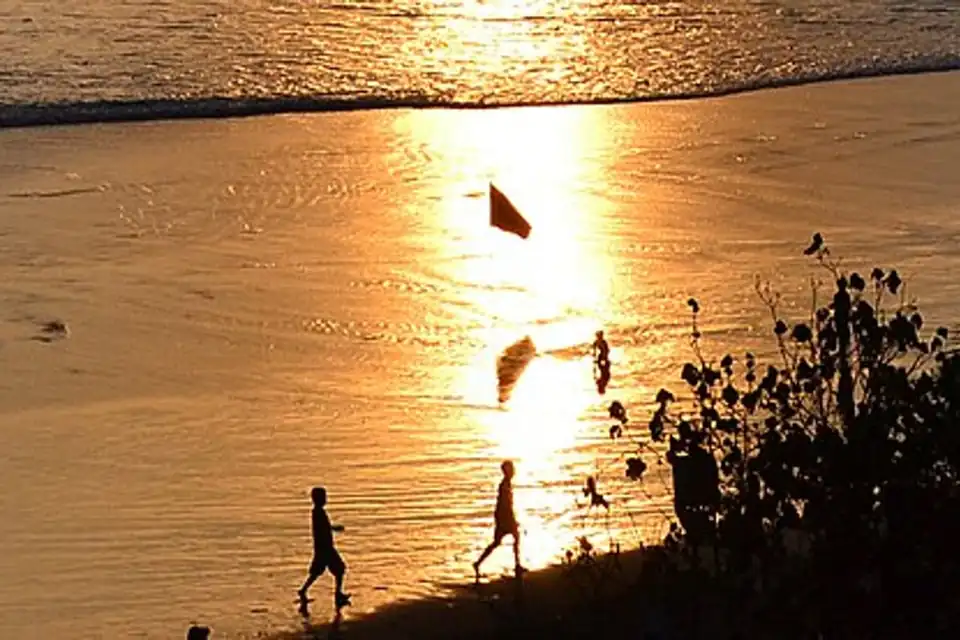
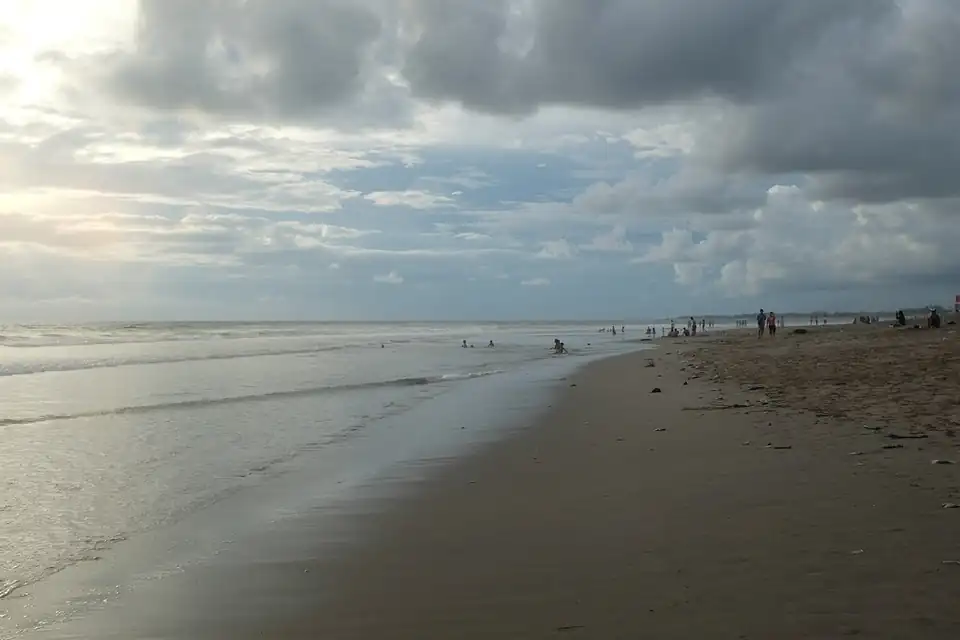
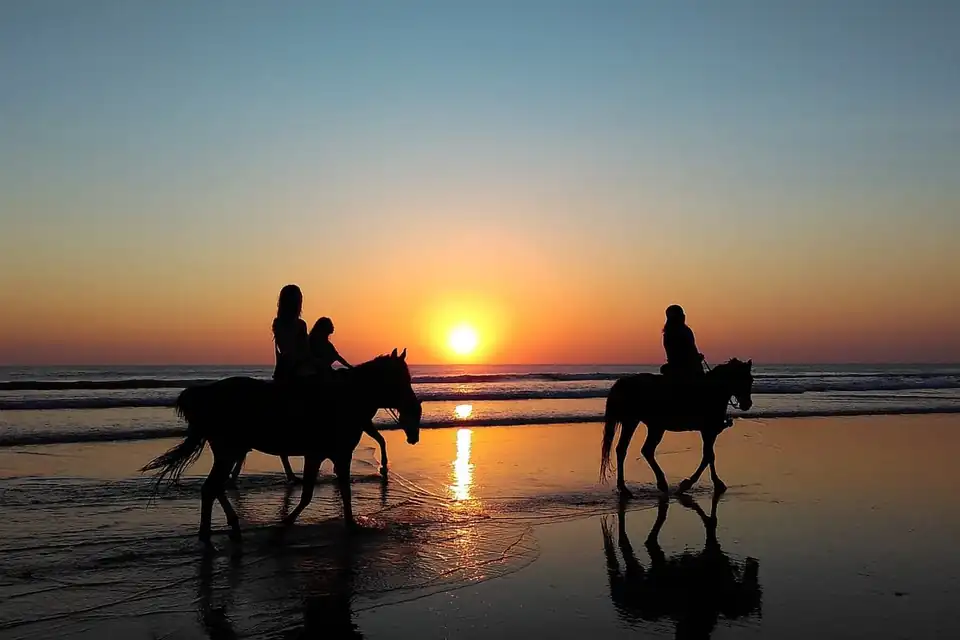
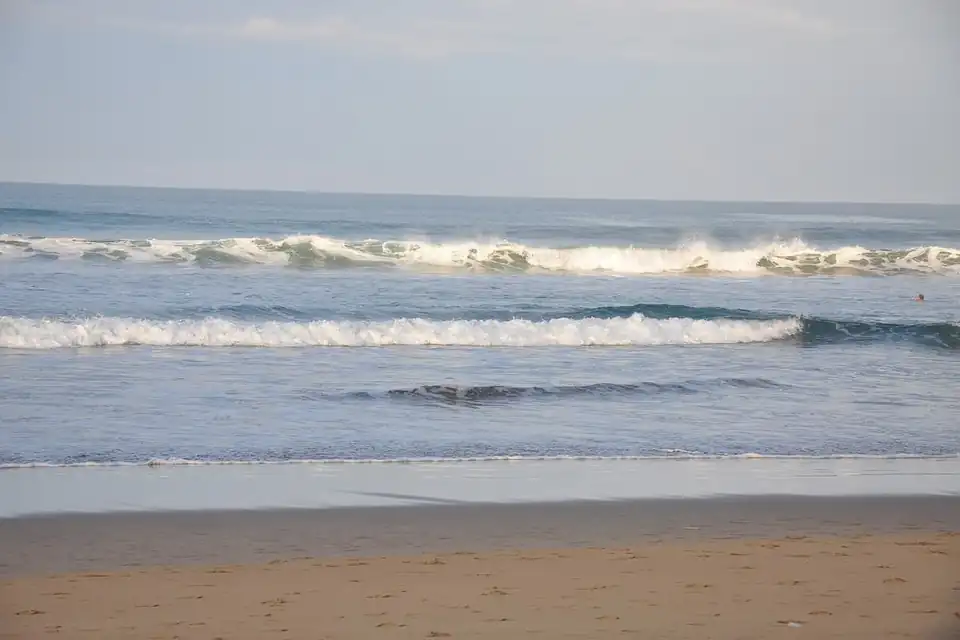
The beach in front is the northern part of Seminyak Beach. In 2022 the sea water at Petitenget Beach was found contaminated with E. coli, so check conditions before you swim. A short walk north is the quieter Batu Belig Beach. For more, see our guide to Seminyak, the list of things to do in Seminyak and where to stay in Seminyak.