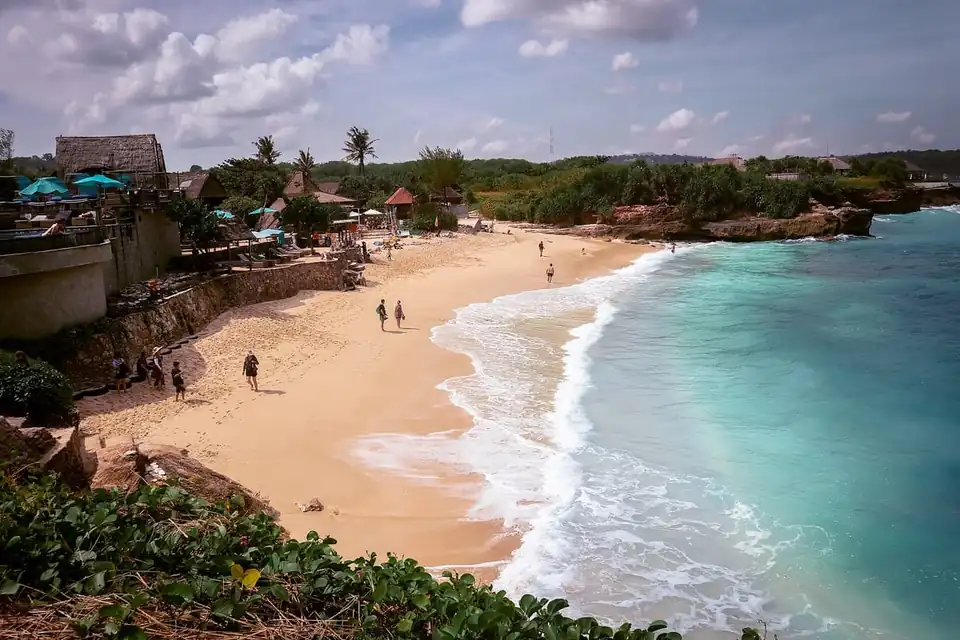
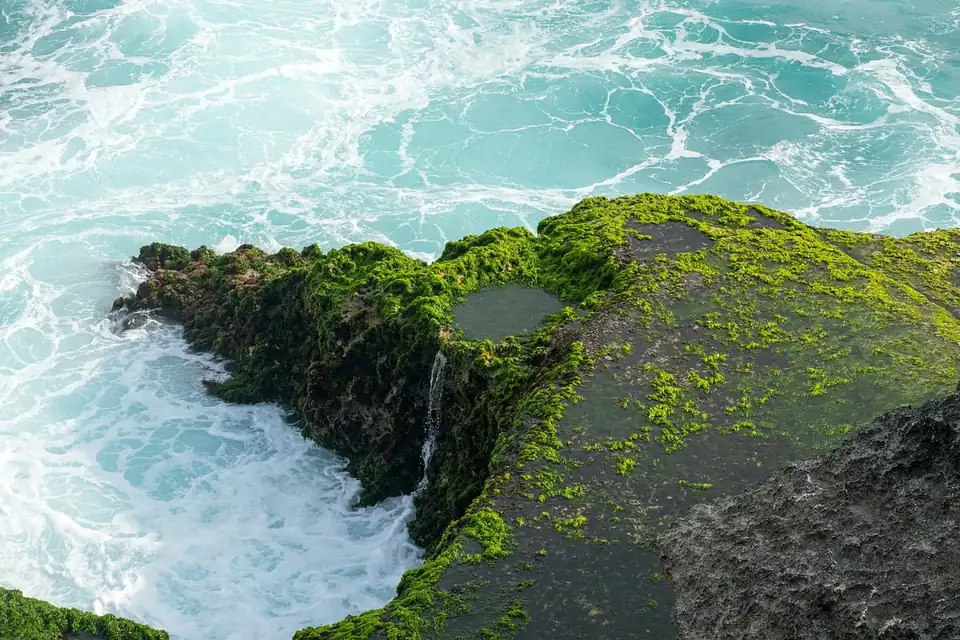
Devil’s Tear is a stretch of cliff on the south-west coast of Nusa Lembongan where the Indian Ocean is forced through a line of blowholes. The water shoots up in a misty spray with a good deal of noise, and the pools beneath the rock catch the sky at sunset. It sits right next to Dream Beach and is one of the most visited stops on the island, mainly by tour groups. It is also a dangerous place, and the rules below are worth reading before you go.
What you see
The Devil’s Tears is a collection of blowholes along the cliff face, and they shoot water high in the air. The effect depends on the sea. One guide advises patience, since the waves change a lot and the strongest displays often come after a short wait. The spray often produces small rainbows. Beneath the blowholes there are reflection pools, which visitors rate among the most striking sights in Bali.
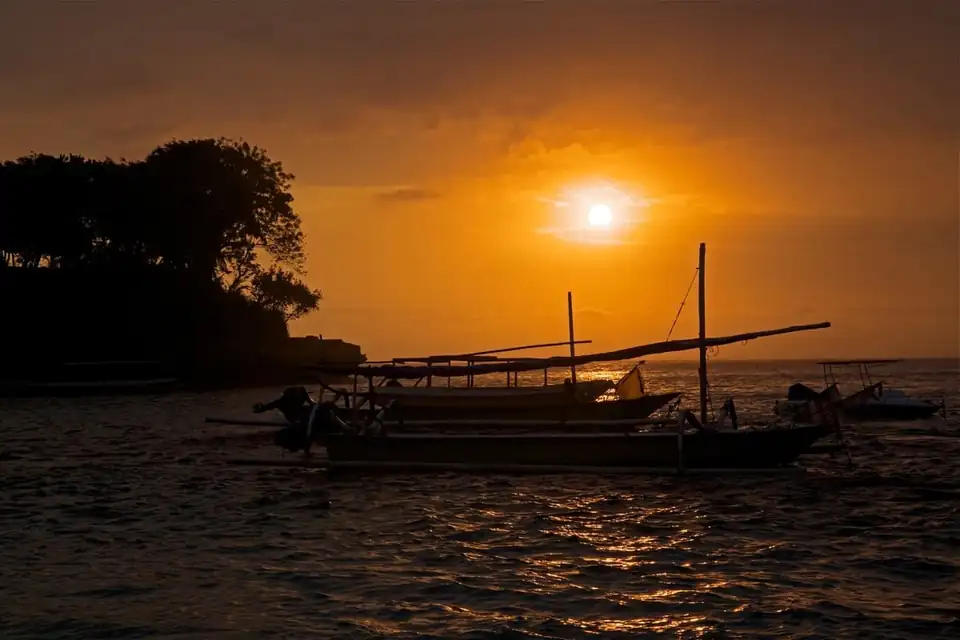
The viewpoint is the busy part. A 2023 account describes a crowd at the first section, mostly people on multi-stop tours, but notes that few walk further along the coast to the tide pools. There you can find a quieter spot to watch the sunset, which faces directly out over the ocean.
When to go
Aim for high tide, when the crashing waves are at their most powerful. The site is open 24 hours a day, but there is little to see outside daylight, so plan between sunrise and sunset. Sunset is the classic time, because the low light turns the spray gold and the tide pools become mirrors. Sunset also brings the biggest crowd, so arrive early if you want a place at the edge, and then stay well behind it.
The season matters less than the tide. The climate is warm and sunny all year, and in the rainy season it does rain but not all day, every day. The air is a little less humid in the dry season, which is also the most expensive time to visit Bali. Bring a cloth for your lens, because the spray reaches further than it looks, and wear shoes with a good grip, since the rock is wet near the pools.
Safety
Guides say you can swim at Devil’s Tear but that it is dangerous, and they do not recommend it. A single wave can crush a person against the rocks. Cliff jumping is allowed and the drop is only 3 to 4 metres, but the waves are unpredictable. Even when the water looks calm, you could be dashed against the rocks a moment later.
Costs, getting there and what to combine
A recent guide reports a Rp 25,000 entrance fee, cash only, noting that some other sites claim entry is free. Guides from earlier years describe it as free, so sources differ and you should carry small notes. Foreign adults also pay a Rp 25,000 tourism-area fee covering Nusa Penida, Nusa Lembongan and Nusa Ceningan, collected under Klungkung Regulation No. 4/2026.
From the main strip it takes less than 10 minutes to drive here, and a scooter is the usual way. The fast boat from Sanur takes around 30 minutes to reach the island.
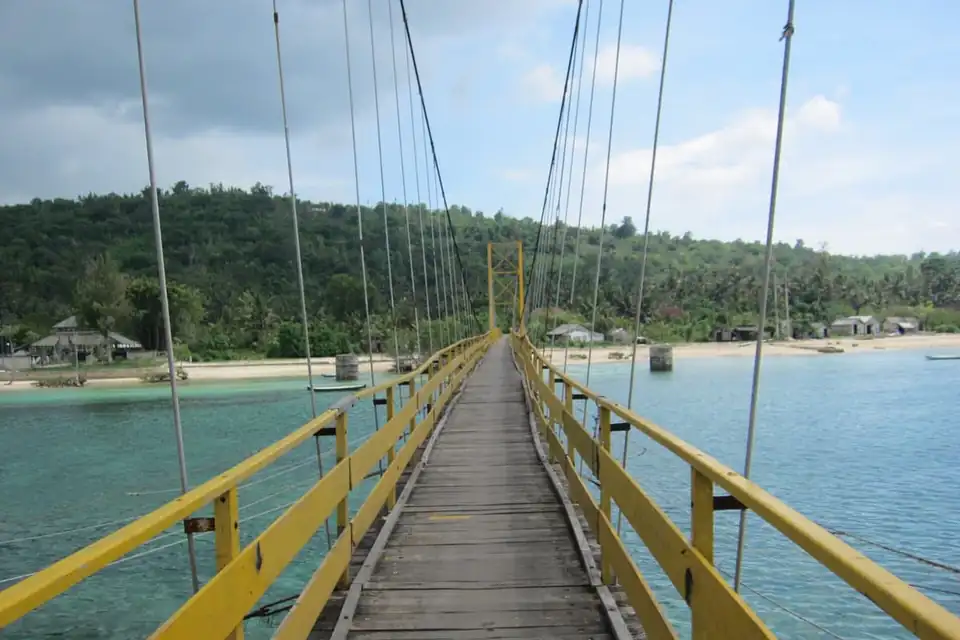
Dream Beach is a short walk away, and the Dream Beach guide covers its strong currents. For a calm swim, go on to Mushroom Bay. For crossing to the next island, see the Yellow Bridge. More ideas are in things to do in Nusa Lembongan, guided tours and where to stay.