
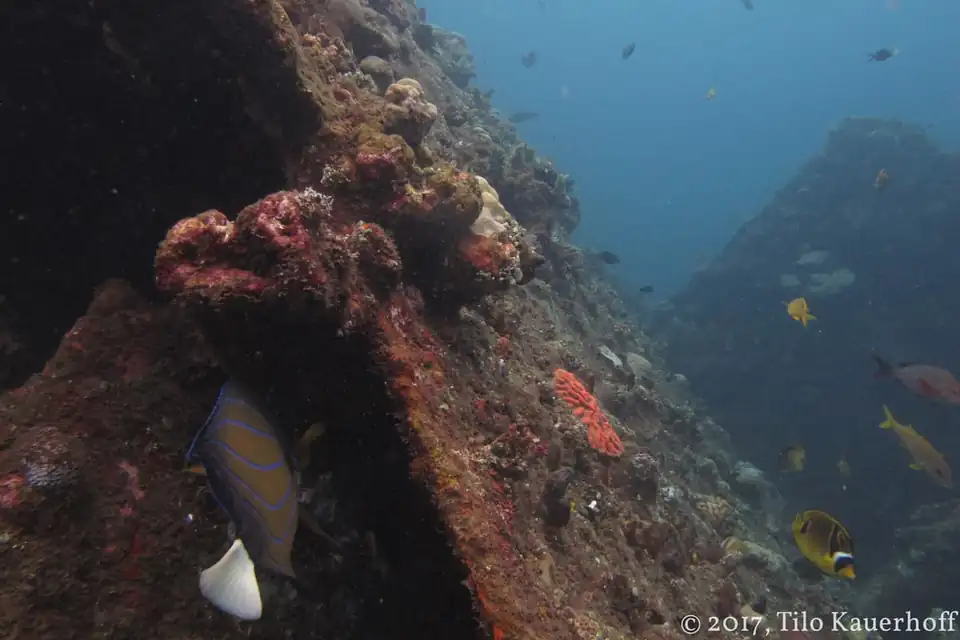
Bali packs several quite different kinds of diving into one island: a wreck you can walk to from the beach, calm reefs for first-timers, and a cold, current-swept island where manta rays and sunfish turn up. The sensible way to plan is by experience. This guide sorts the main areas by who they suit, explains the difference between a first try and a course, and covers the season, flying and insurance.
Tulamben and the USAT Liberty wreck
Tulamben on the north-east coast is the classic Bali dive. The USAT Liberty wreck is a cargo ship that lies 30 to 40 metres from the beach, so you walk in from the shore and need no boat. The top of the wreck is at about 5 metres (3 metres in one guide) and the bottom at about 30 metres, which means snorkellers, new divers and experienced divers can all use it.
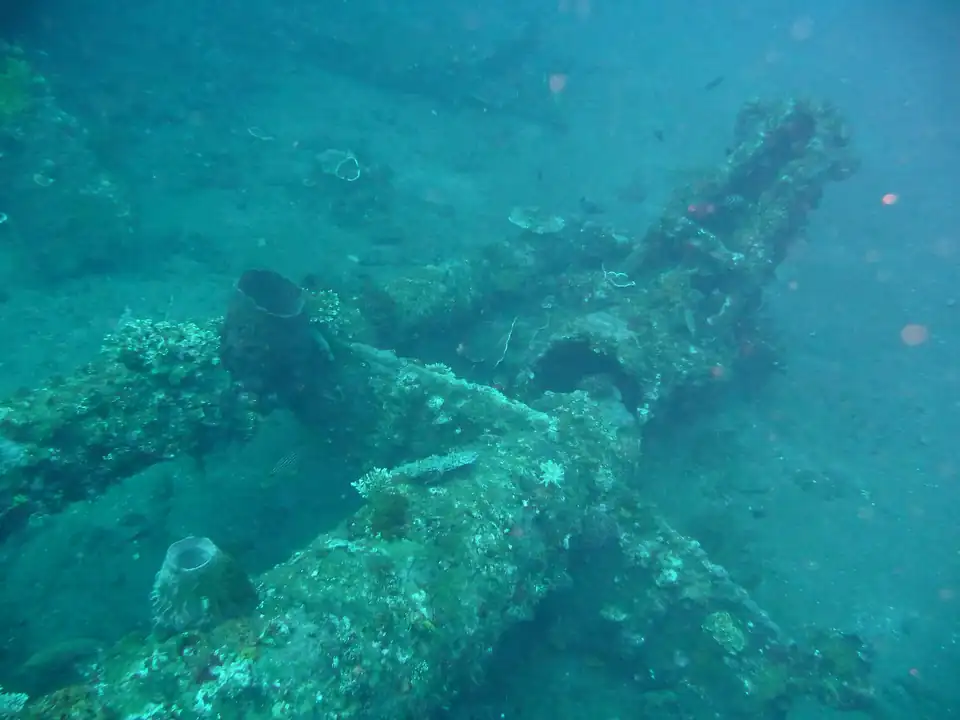
The beach is covered in smooth stones rather than sand, so wear shoes to enter. Day trippers from south Bali tend to arrive after about 10am, so an early start is quieter. SSI describes the wreck as accessible to beginners and experienced divers alike. Currents are usually mild but can pick up, so ask your guide before you go in.
Amed and Jemeluk Bay
Amed is on the same coast, about 12 km from Tulamben, and many divers base themselves here and drive over. Jemeluk Bay is protected from strong currents and is where many Amed schools run introductory dives. Jemeluk Wall drops from about 5 metres to nearly 40 metres, with visibility of 15 to 25 metres and usually mild or no current. It is also regarded as one of the better night dive sites in Amed.
If you only want to look, the same reef works for snorkelling, which is covered in our guide to snorkelling in Bali. For dive trips from the area, see tours from Amed.
Nusa Penida: mantas, mola mola and currents
Nusa Penida is where Bali diving gets serious. Wikipedia lists Batu Lumbung, known as Manta Point, among the island’s dive sites. SSI says reef manta rays glide above cleaning stations there, and that mantas can be seen year-round. Traveloka’s 2026 guide describes Manta Point as a cleaning station where large oceanic manta rays have parasites removed by cleaner wrasse, and says sightings are reliably excellent throughout the year.
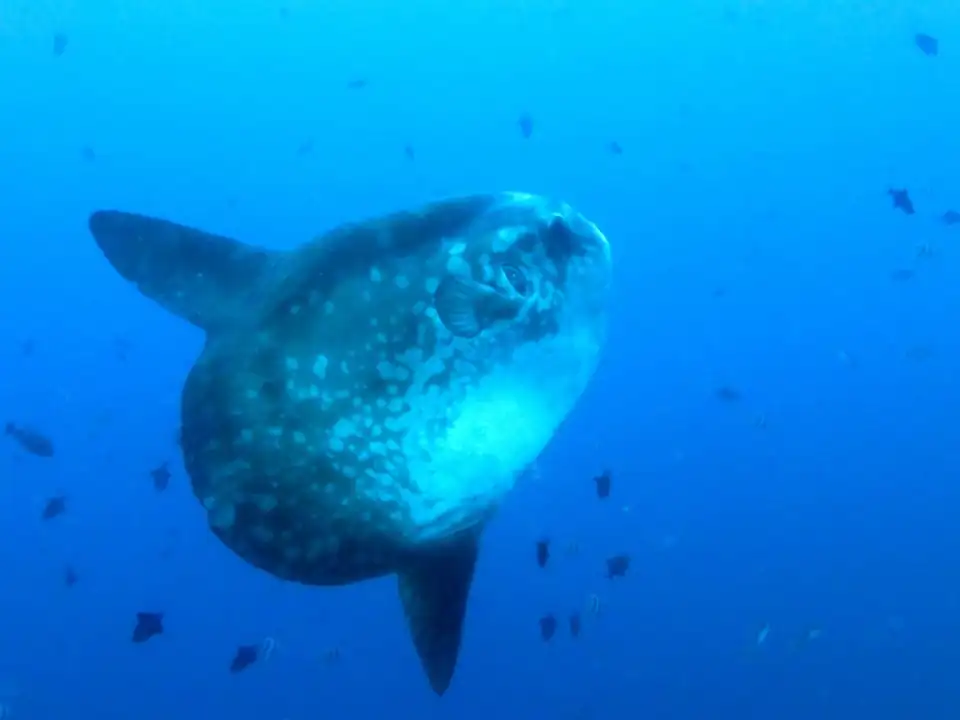
Crystal Bay is the mola mola site. The season runs from July to October, when cold, nutrient-rich water rises and the sunfish come up to be cleaned at around 25 to 30 metres. Even in peak season the odds on any single dive are roughly one in ten. The shallow coral plateau on the left side suits beginner and discovery dives, while the deeper route towards the cleaning stations has strong lateral currents and downcurrents.
Dive trips use the harbours on the island, and our page on tours from Nusa Penida lists options.
Padang Bai and Menjangan
Padang Bai on the east coast has several beaches and dive sites, and the Blue Lagoon area became part of a Marine Protected Area in 2017. SSI says the Blue Lagoon often offers calmer water, with temperatures usually from 25 to 28 degrees Celsius and visibility between 10 and 20 metres, and that Padang Bai works well for beginners and photographers. Wikipedia warns that most of the sites need attention to the currents, which can become strong at tide change and at the new moon. The Ferry Channel site, beside the Lombok ferry route, goes down 30 metres and more, so it is not a first-dive choice.
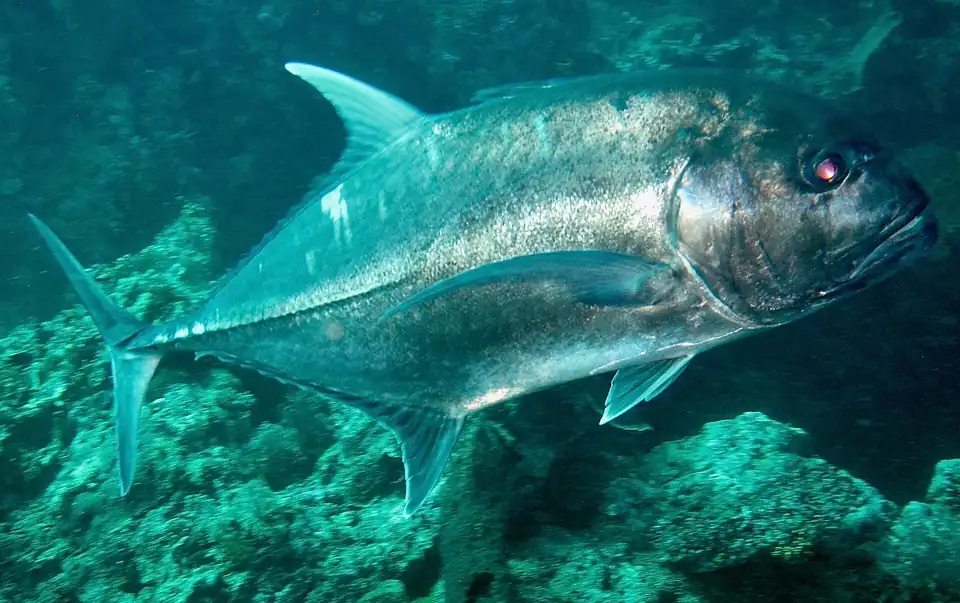
Menjangan Island lies in the far north-west of the island, in Bali Barat National Park. SSI describes steep walls and coral growth, with generally mild currents that suit a broad range of experience levels. Wikipedia notes that all scuba-diving shops arrange daily trips to the island.
First try, fun dives or a course
There are three routes, and they suit different people.
- Discover Scuba Diving. PADI describes this as trying scuba diving for the first time in a pool or calm water, with a professional who provides the gear and explains the basic skills. It is the right choice if you are unsure, and Jemeluk Bay is a typical place to do it.
- Certified fun dives. If you already hold an Open Water certificate you can book guided dives at most sites. Bring your certification card and log book, and be honest about how recent your last dive was.
- A course. PADI presents the Open Water Diver course as the route to certification, with eLearning, then pool training, then open water dives. Doing the course in Bali means you can finish in the warm, easy conditions of Tulamben or Amed rather than at home.
Open Water is enough for most of Bali, including the wreck and the reefs at Padang Bai. For the mola mola profiles and the drift dives at Nusa Penida, plan on Advanced Open Water and some recent current experience. The table below compares the dive tours on offer.
Whichever route you choose, a few habits make the day better. Ask the shop how many divers go with each guide, whether the briefing covers the current on the day, and what happens if the site is called off for conditions. Tell them honestly how long it is since your last dive, because a short refresher at a sheltered site such as Jemeluk Bay is a better start to the trip than a drift dive at Nusa Penida. If you plan to dive for several days, base yourself near the sites rather than driving a long way each morning, since the best visibility at the wreck is early, before the day trippers arrive.
Season, flying and insurance
The best conditions typically fall between April and November, when seas are often calmer and visibility improves, although conditions vary by region. The Liberty wreck is best in the dry season, with one guide putting the best months at April to July and October to November. Mola mola are most common between July and October. That is also the busiest period, so book Nusa Penida trips ahead.
On insurance, DAN treats dive accident insurance and travel insurance as separate products. Standard travel policies often handle diving differently from dedicated dive cover, so read what yours says about scuba, depth limits and decompression treatment before you leave. Our other water-based guides cover snorkelling and the wider Nusa Penida area.


