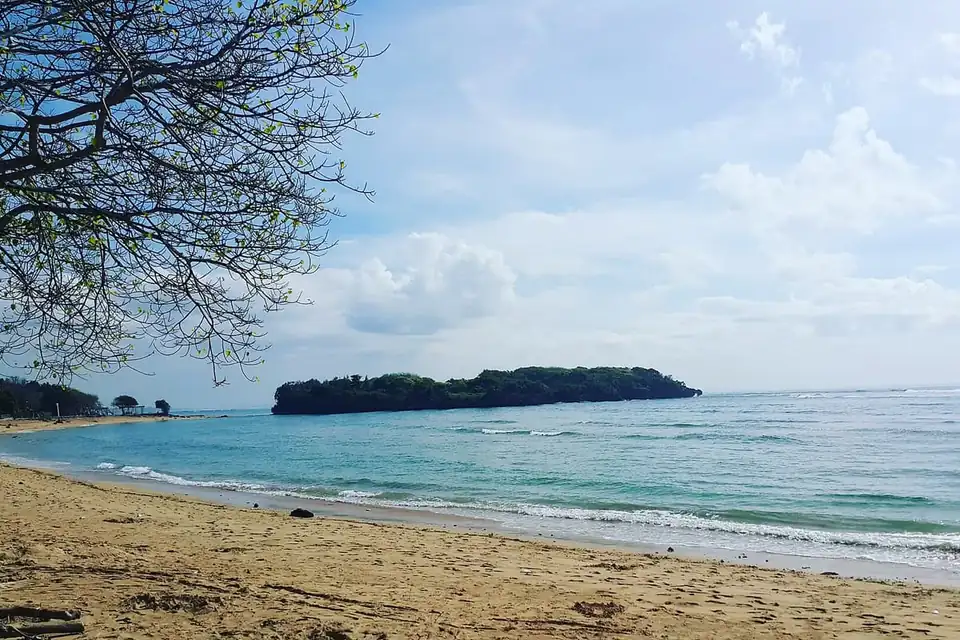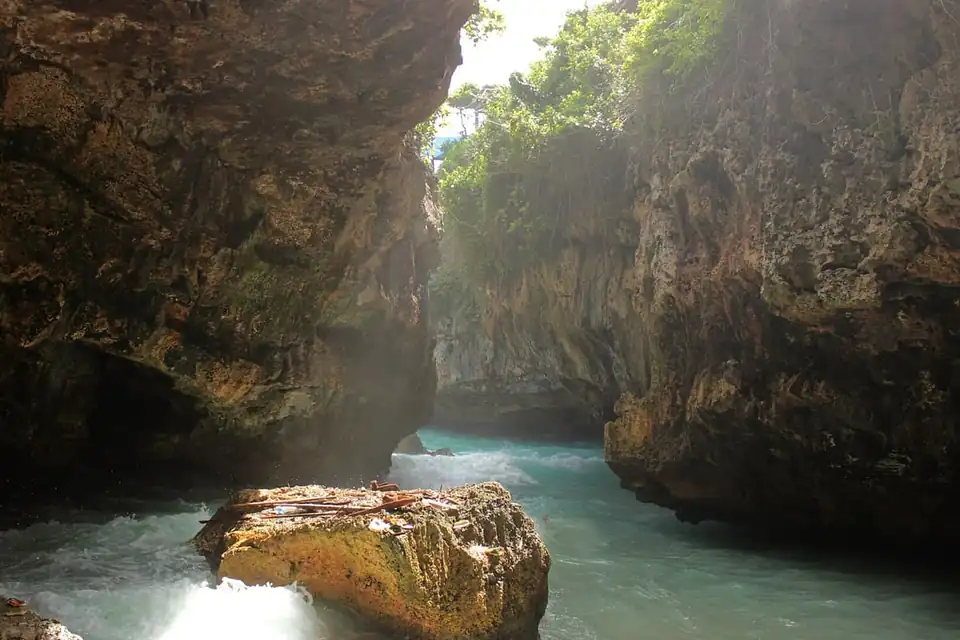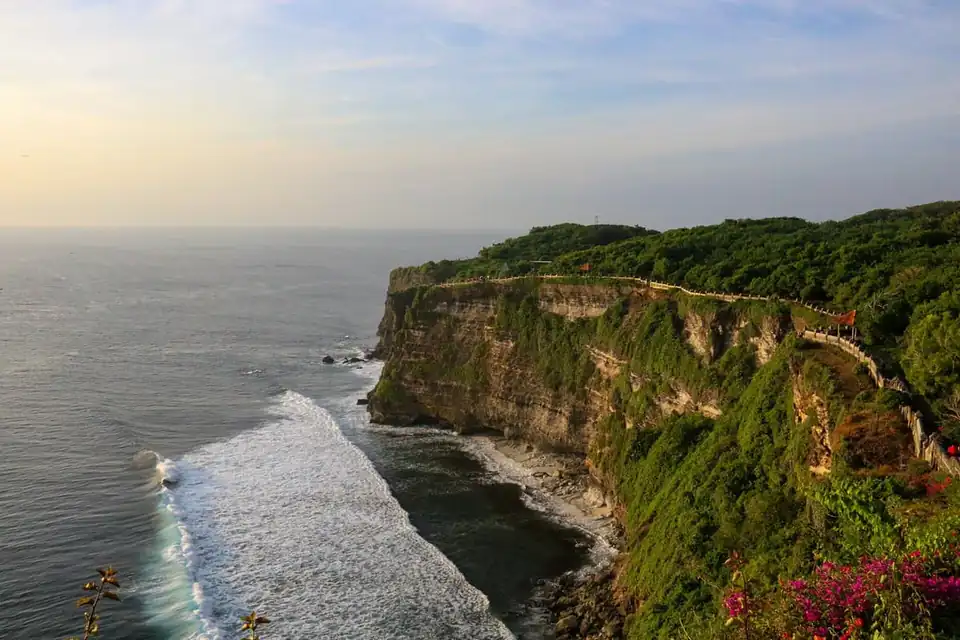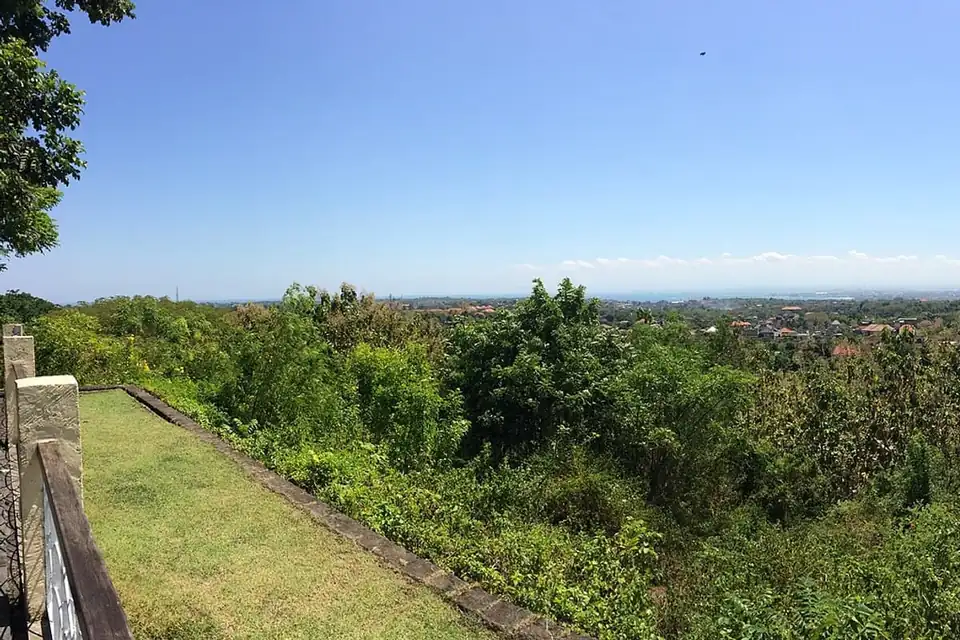
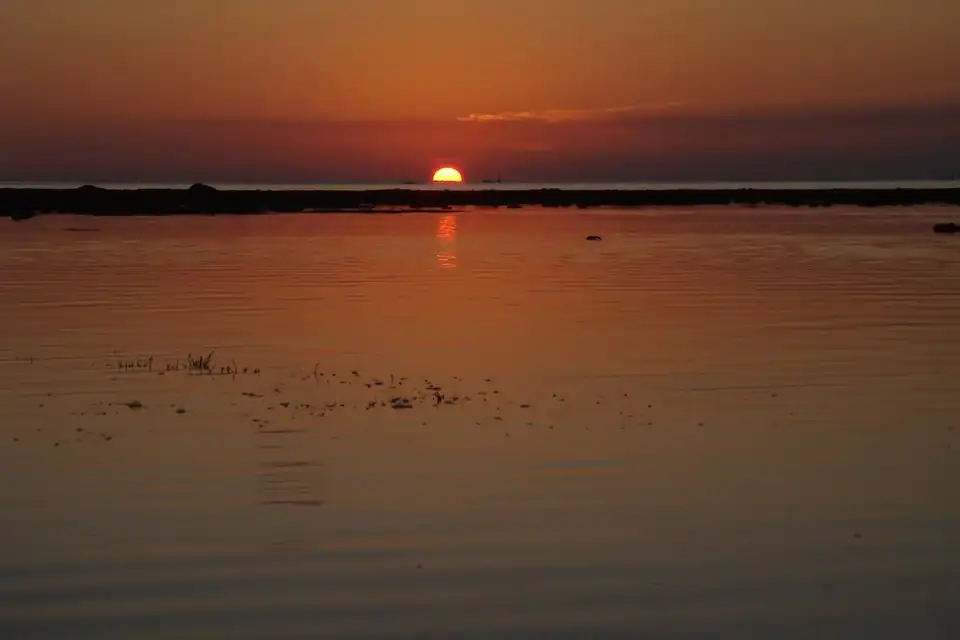
Bingin is a beach of white sand under the limestone cliffs of Pecatu, in the south of Bali, with a reef break in front of it that has drawn surfers for more than twenty years. Until July 2025 the cliff above was stacked with warungs, bars, surf shops and homestays. Almost all of that is gone. The beach is still open and the wave still works, but anyone arriving with an older picture of Bingin in mind should know what they will find.
What happened to the cliff in July 2025
In May 2025 Commission I of the Bali provincial parliament inspected the area and found that tourism businesses on the cliff had been built on state-owned land without the required permits. Officials pointed to the national law that makes coastal zones protected areas, and to Bali Governor Regulation No. 24 of 2020, which bans construction on coastal boundaries and cliffs.
On 21 July 2025, Governor Wayan Koster and Badung Regent Wayan Adi Arnawa oversaw the demolition of 48 structures. Heavy machinery could not be brought in because of the steep cliffside construction, so workers broke the buildings up by hand. Some of the businesses had been there for decades; one owner told the ABC that his mother had started hers as a kiosk in the 1980s.
For nearly a year afterwards the rubble stayed where it fell, and during heavy rain debris slid down onto the beach. The local community did much of the clearing itself after official clean-up funds ran out.
The wave did not move
None of this touched the reef. Bingin is a fairly exposed reef break with dependable surf: a left, best from May to October in the dry season, with an offshore wind from the east and a south-west groundswell. “The break hasn’t changed at all,” Mega Semadhi of Bingin Boardriders told Tracks a year after the demolition.
It is not a learner’s wave. The left is fast and hollow over shallow reef, the line-up is often crowded, and submerged rocks are a hazard. The upside is that the breaking surf sits well out from the shore, so the water near the sand is a place to swim and snorkel when the sea is calm. Shallow coral runs along the shoreline, and at low tide you can walk out over the exposed reef flats; reef shoes help.
Getting down, and what is at the bottom
There is no vehicle access to the beach. You park on the clifftop and walk through narrow alleys and down steps, several hundred of them in all. Local surfers and the regency have been laying concrete blocks to make proper stairs where the old ones were broken, but expect some rough sections. If you stay for sunset, carry a torch, as the path back to the car park gets dark.
At the bottom, do not expect the old warungs. What is left is a couple of small carts selling drinks and light refreshments, and there are no toilets yet. The cafes, restaurants and hotels up on the Bingin clifftop road are still trading, so eat before you go down or after you come up.
The rebuild on paper
In May 2026 the Badung regency government set out a staged redevelopment. The first phase covers access and basics: a new set of stairs along the cliff with steps 3 metres wide, a clean water network, showers and public toilets, and land preparation for wooden stalls and a performance stage. Before building starts the project needs a detailed engineering design and a tender, the second phase is due in 2027, and the regency has said the work will not be finished within a year. The regent has also spoken of a venue for Kecak performances on the site.
Bingin is about 3 km from Padang Padang Beach, home of the Padang Padang Left, and Uluwatu Temple makes an easy evening finish. For the rest of the peninsula, see our guide to Uluwatu, the list of things to do in Uluwatu and where to stay in Uluwatu.