
Temples are the thread that runs through Balinese life, and understanding a few of them does more to explain the island than any beach or rice terrace. Balinese Hinduism marks the landscape with thousands of them, from the great state sanctuaries on the volcano slopes to the small family shrines in every compound. What follows covers the temples most worth your time and, just as important, how to behave at them, since these are living places of worship rather than museums.
A little etiquette goes a long way. Every temple asks visitors to cover up and wear a sarong, to keep clear of rituals and offerings, and to follow the guardians’ directions. Get the basics right and you will be made welcome. The key temples come first below, then the customs that apply across all of them.
Uluwatu and the clifftop temples
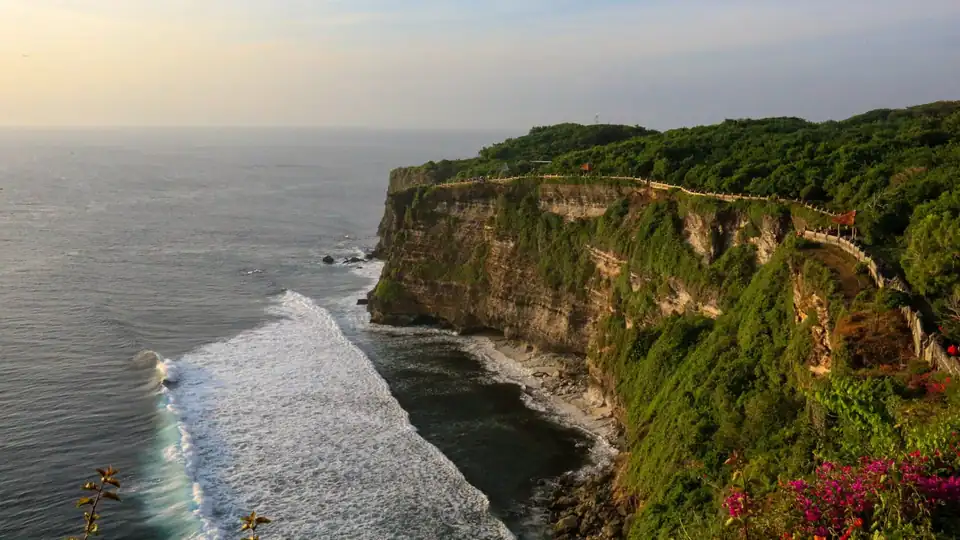
Pura Luhur Uluwatu is the most dramatic setting for a temple in Bali, perched on a headland high above the Indian Ocean at the tip of the Bukit peninsula. It is one of the island’s directional temples, believed to guard Bali from the sea, and its open-air amphitheatre stages the Kecak fire dance each evening as the sun goes down. Arrive in good time for a rim seat, keep a firm grip on sunglasses and hats around the resident monkeys, and wear the sarong handed out at the gate.
Tanah Lot and Tirta Empul
Two very different temples anchor a cultural day. Tanah Lot sits on a rock just offshore, cut off by the tide, and is built for sunset, when crowds gather along the clifftop to watch the sky change behind its silhouette. Come a little before the peak hour to stay ahead of the buses. In the middle of Ubud itself, Pura Taman Saraswati approaches its carved gate along a lotus pond and costs nothing to walk into. Inland near Ubud, Tirta Empul is the holy-spring temple, where Balinese Hindus and visitors alike take part in melukat, a purification ritual of bathing under a row of water spouts. If you join in, follow the queue in order, wear the sarong provided for the water, and treat the pools as the sacred space they are.
Lake and mountain temples
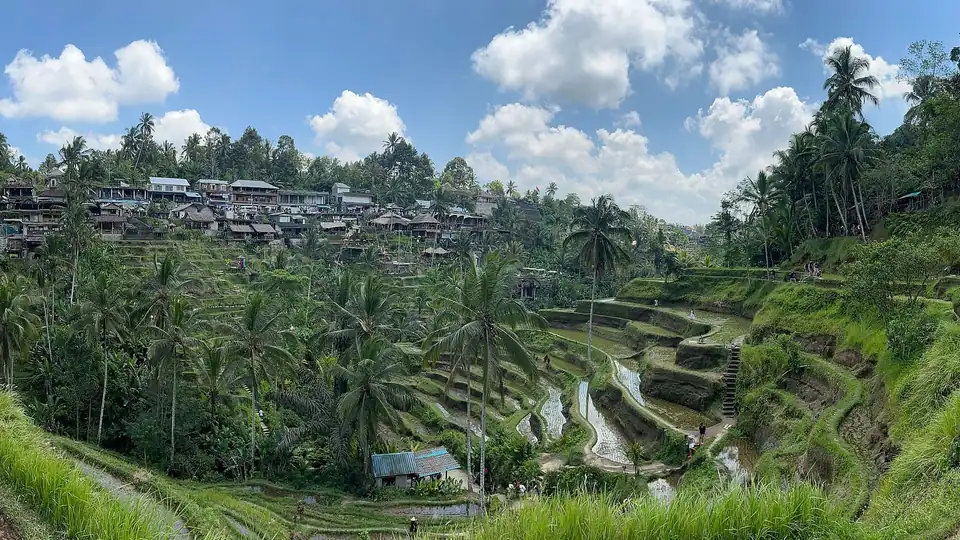
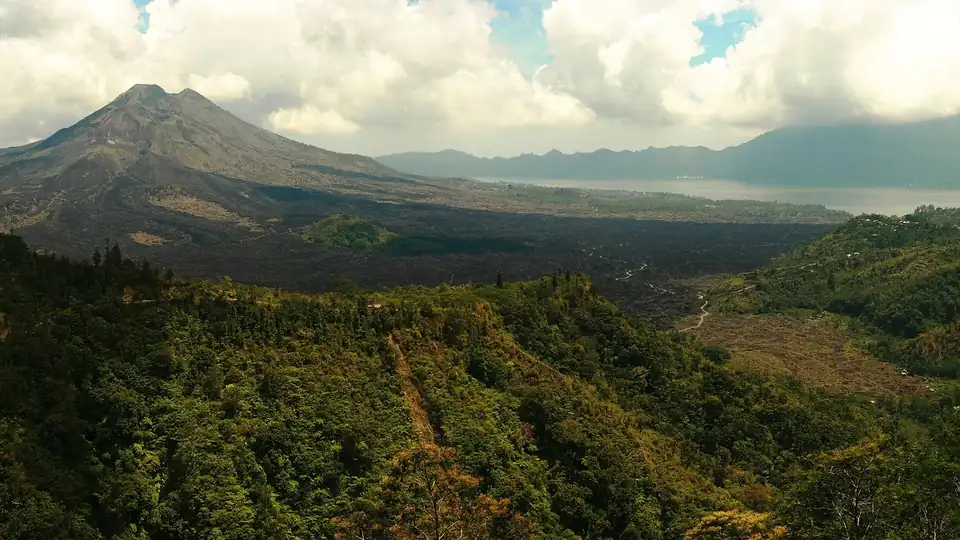
The highlands hold some of the island’s most photographed sanctuaries. Ulun Danu Beratan appears to float on Lake Bratan near Munduk, its tiered shrines reflected in still water on a calm morning, and it makes an easy stop on the drive between the south and the north. Higher up the eastern slopes, Besakih is the mother temple of Bali, a vast complex on Mount Agung that is the holiest site on the island and the centre of major festivals. Ulun Danu Batur, above the Kintamani caldera, is another of the great state temples, moved uphill after an eruption a century ago and set against the volcanic landscape.
Goa Gajah and Lempuyang
A temple tour has room for two more sites. Goa Gajah, the Elephant Cave near Ubud, is an ancient rock-cut sanctuary with a carved cave mouth, bathing pools and a shaded courtyard, best in the early morning. Pura Lempuyang, high on the eastern side of the island, has become famous for its split gateway that frames Mount Agung in the distance, the so-called Gates of Heaven. Be ready for long queues at Lempuyang and for the reflection in the photographs, which is usually created with a mirror rather than water. The temple itself is one of the oldest and most revered on Bali, so treat the climb as a pilgrimage rather than a photo stop.
Etiquette, offerings and festivals
The daily rhythm of Balinese Hinduism is visible everywhere in the canang sari, the small woven trays of flowers, food and incense left on shrines, doorsteps and pavements each morning. Step around them rather than over or on them, and never move one for a photograph. Beyond the sarong and the covered shoulders, keep your head lower than the priests and shrines where you can, do not point your feet at anyone praying, and stand aside for processions. Women are asked not to enter temple areas while menstruating.
Planning a temple day
Planning turns a temple visit from a hot, crowded stop into one of the highlights of the trip. Group temples that lie near each other: Tirta Empul and Goa Gajah pair naturally with a day around Ubud, while Ulun Danu Beratan sits on the drive north towards Munduk. Fees are small, usually Rp 30,000 to Rp 60,000 (about 2 to 4 US dollars) and often including sarong hire, so carry cash in small notes. Set out early for the mountain and lake temples, before cloud rolls over the highlands and the coaches arrive, and save Uluwatu and Tanah Lot for the end of the day, when they come into their own.
Dress for the visit as much as the weather: light clothing that already covers the shoulders and knees means you only need to add the sarong at the gate. A hired driver who knows the sites can time your arrival between tour groups and explain the customs as you go, which matters most at busy or ritual-heavy temples such as Lempuyang and Tirta Empul. Above all, move at the temple’s pace rather than your own, stepping back for worshippers and processions, and the guardians will make you welcome.
Visited with a little care, Bali’s temples give the clearest window into the island’s culture. Spread them across your bases so each is a short drive rather than an expedition, and let a local guide fill in the meaning behind the gateways, the offerings and the water.


